Quick answer: DIY pipe repair is fine for small, reachable fixes like a loose fitting, a worn washer or a simple sink clog. Anything buried, inside a wall, under the slab or on your main sewer line needs a camera inspection and professional equipment, because a wrong guess there turns a small leak into water damage. A professional repair also comes with a warranty, which a DIY fix does not.
Can you do DIY pipe repair yourself?
Yes, for a short list of jobs. If you can see the problem, reach it without opening a wall and shut off the water to it, a careful homeowner can usually handle it with basic tools. The trouble starts when the problem is out of sight. Most pipe damage in Arizona homes happens underground or under the slab, where the only way to know what is wrong is to look inside the pipe with a camera or locate the leak with the right equipment.
The honest rule: DIY the symptom you can see, but call a professional when the cause is hidden, the problem keeps coming back, or the fix needs a permit.
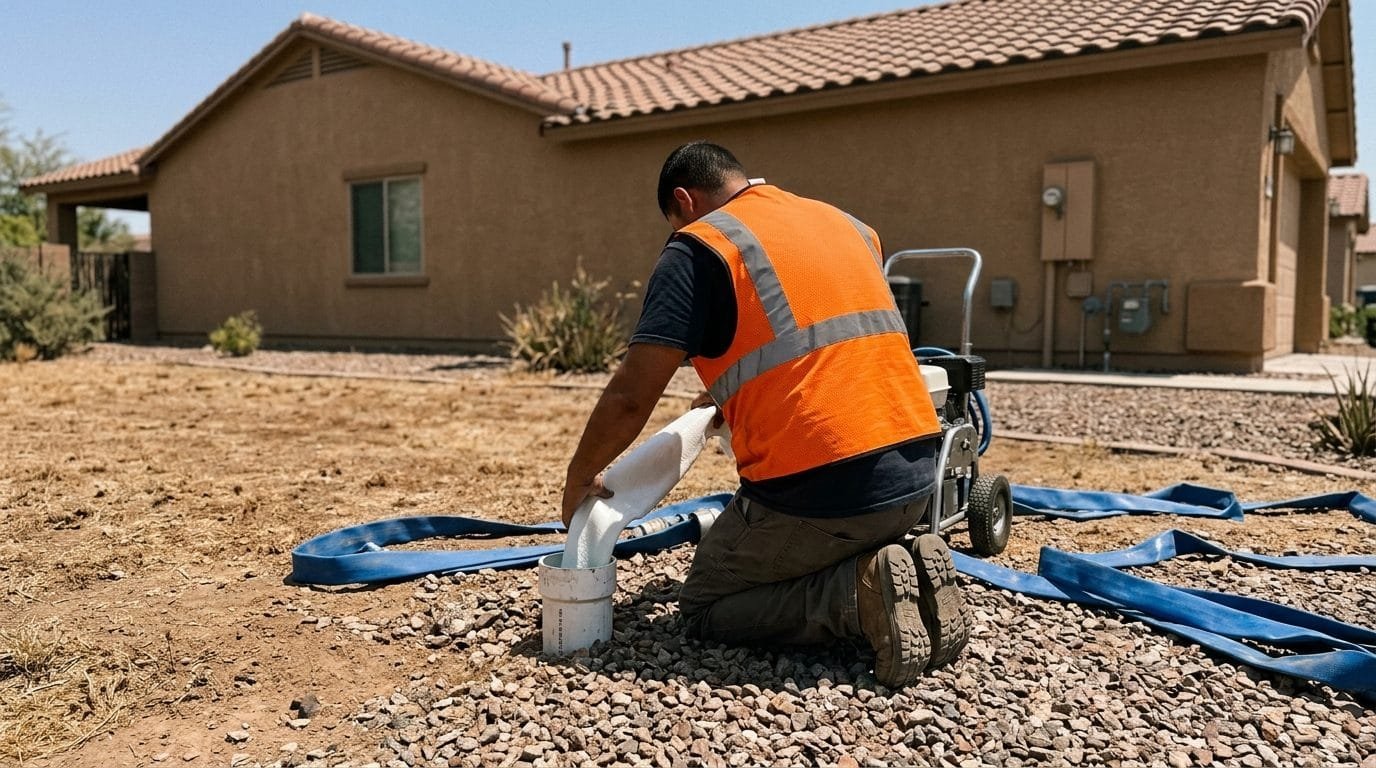
Which pipe repairs are safe to DIY?
These jobs are low risk because the pipe is exposed, the water can be shut off locally, and a mistake is easy to spot and undo:
- Clearing a single slow drain with a plunger or a hand drain snake.
- Cleaning a P-trap under a sink and retightening the slip nuts.
- Replacing a flexible supply line to a faucet or toilet.
- Swapping a worn washer or cartridge in a dripping faucet.
- Cleaning a faucet aerator clogged with mineral scale.
- Knowing where your main shutoff valve is and testing that it closes, which is the most useful plumbing skill any homeowner can have.
If any of these fixes does not hold, or the same drain slows down again within weeks, the real problem is further down the line and a plunger will not reach it.
When should you hire a professional instead of DIY pipe repair?
Call a professional when you see any of these signs, because each one points to a problem you cannot see or reach from inside the house:
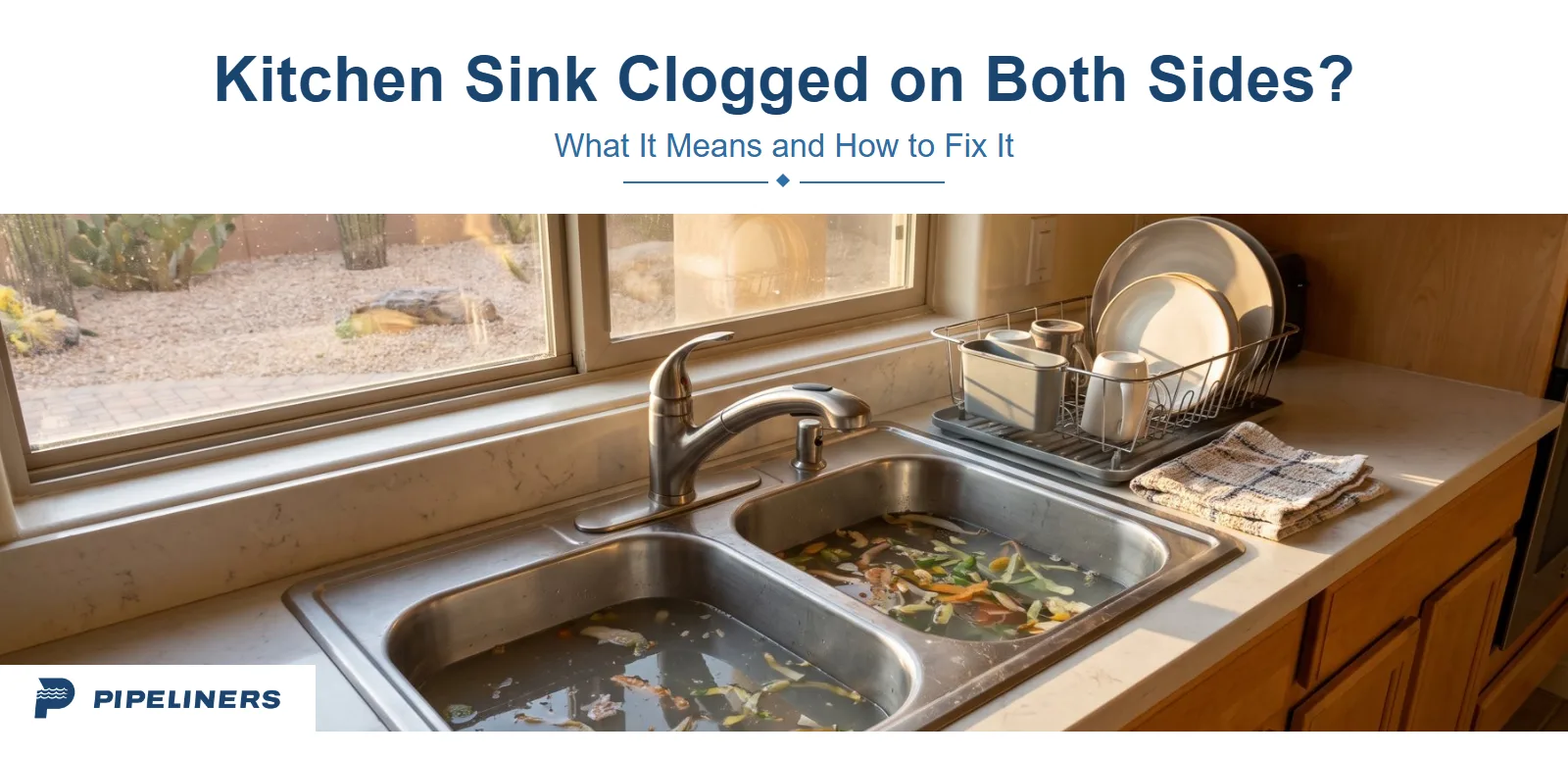
- More than one drain is slow or backing up at the same time, which usually means a main sewer line clog.
- A clog comes back after you cleared it.
- Your water bill jumps with no change in use, or the water meter keeps moving with every fixture off.
- Warm spots on the floor, damp drywall or the sound of running water, which are common signs of a slab leak.
- Repeat pinhole leaks in copper pipes, which usually means the whole line is wearing thin.
- Sewer smell inside or soggy patches in the yard.
- Any repair that needs a permit, a wall opened or ground dug up.
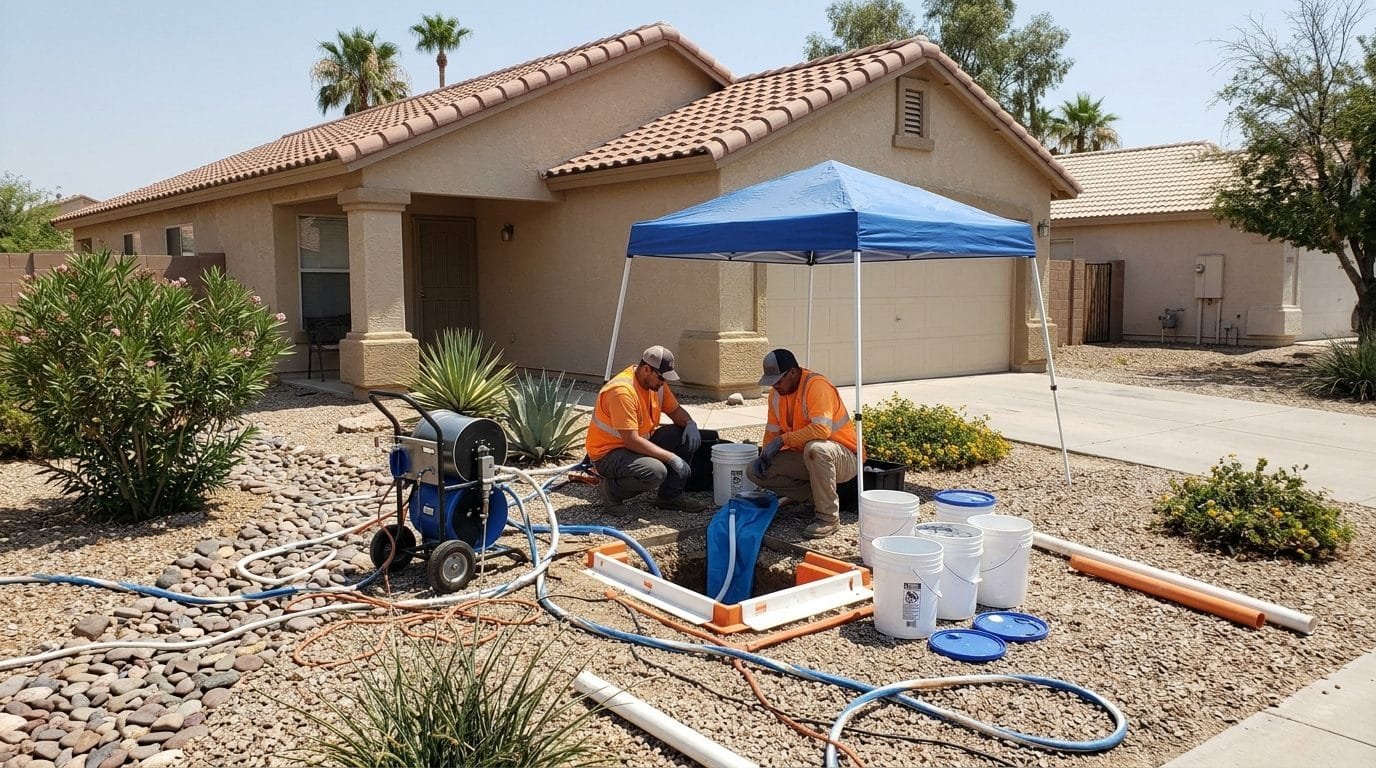
What goes wrong with DIY pipe repair?
Most failed DIY repairs come down to one of four mistakes:
Fixing the symptom instead of the cause
A clog that keeps returning is rarely a surface problem. Roots, a sagging section of pipe or years of scale buildup cause repeat backups, and none of them can be seen from the drain opening. Without a camera inspection, a homeowner is guessing, and every guess costs another weekend.
Using chemical drain cleaners
Store-bought chemicals are hard on older metal pipe and do not remove hard scale, so the clog tends to come back. Pipeliners recommends hydro jetting for stubborn blockages because it scours the pipe walls clean instead of burning a small hole through the clog.
Missing a hidden leak
A slow leak under the slab or behind a wall can run for months before it shows. By then it can soak framing, flooring and the soil under the foundation. Finding it takes pressure testing, acoustic listening equipment and thermal imaging, which is how our leak detection team pinpoints the spot before anything is opened up.
Skipping permits and code
Replacing or rerouting pipe often needs a permit. Work that does not meet code can cause problems with inspections, insurance claims and a future home sale. Pipeliners handles permits where they are required.
Can you reline or coat your own pipes?
No. Trenchless repair is professional-only work. Relining a drain with cured-in-place pipe (CIPP) takes a camera inspection, hydro jetting to clean the line, a resin-saturated liner, inversion and curing equipment, and a final camera check. Coating water lines with ePIPE epoxy takes drying, sand-blasting and a certified epoxy system applied under controlled conditions. None of this equipment is available to rent, and a liner that cures in the wrong place is very hard to undo.
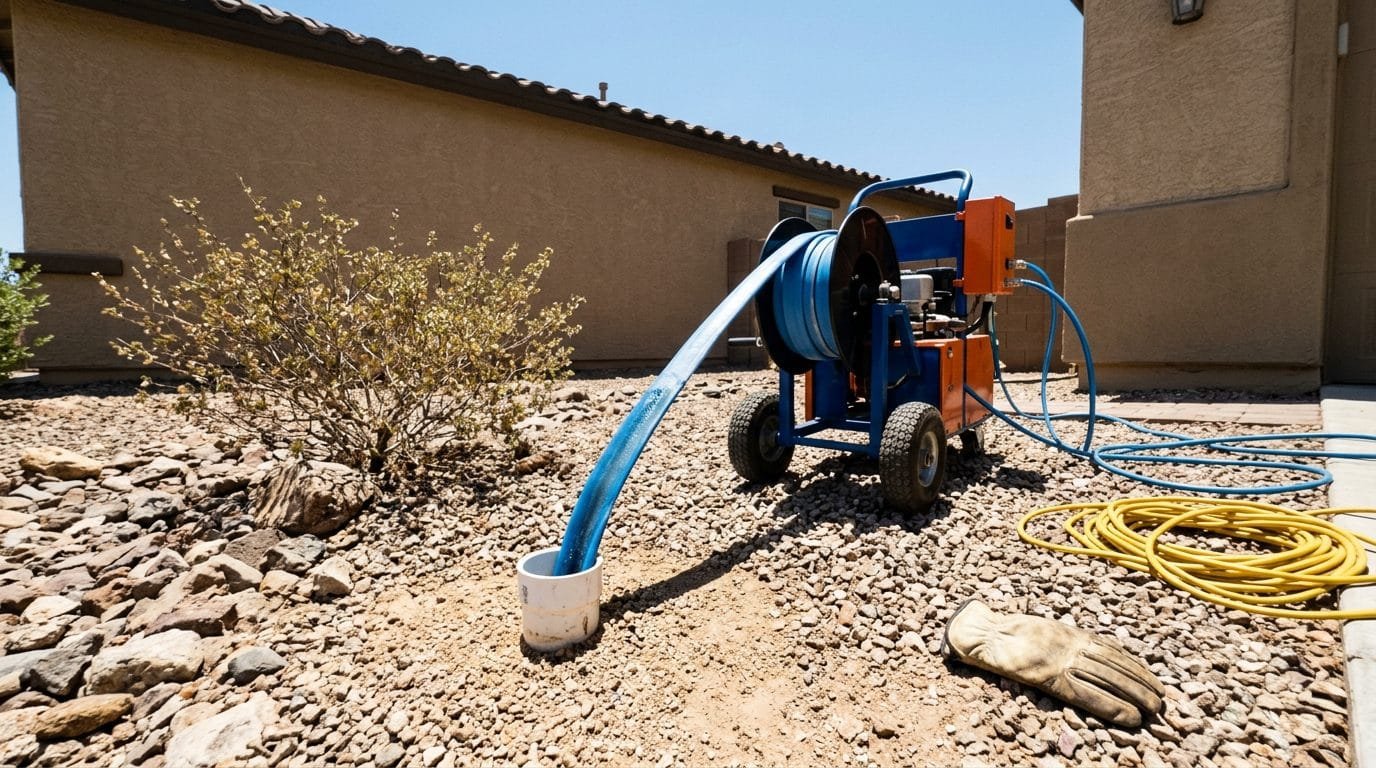
How does a professional pipe repair work?
A professional repair follows the same order every time, which is why it lasts:
- Diagnose: a video camera inspection of the drain or sewer line, or pressure, acoustic and thermal testing for a water line leak.
- Clean: hydro jetting to remove roots, grease and scale so the problem and the pipe are fully visible.
- Repair: the right fix for what the camera shows, from a spot repair to trenchless drain pipe repair that relines the pipe without digging up your yard, floors or driveway.
- Verify: a final camera inspection or pressure test to confirm the repair, plus a warranty on the work.
Pipeliners is available 24/7 for emergencies such as a sewer backup or a burst line.
DIY pipe repair: key takeaways
- DIY is fine for small, visible, reachable fixes with the water shut off.
- Repeat clogs, rising water bills, damp floors and sewer smells point to hidden problems that need a camera or leak detection.
- Skip chemical drain cleaners; they damage older pipe and the clog usually comes back.
- Relining and epoxy coating are professional-only jobs that need specialized equipment.
- For routine upkeep between repairs, follow our plumbing maintenance guide.
Want to see what past customers say? Read our Google reviews.
Frequently asked questions about DIY pipe repair
What pipe repairs can a homeowner do themselves?
Small, reachable jobs such as tightening a loose fitting, replacing a worn washer or clearing a simple sink clog with a plunger. Anything buried, inside a wall or under the slab needs a proper diagnosis first.
Why should I avoid chemical drain cleaners?
Harsh chemicals are hard on old metal pipe and do not remove hard scale, so the clog tends to come back. For blockages, Pipeliners recommends hydro jetting instead.
Can I line or coat my own pipes?
No. Lining a drain or coating water lines takes a camera inspection, cleaning equipment, the liner or epoxy system and curing equipment, plus the training to install them correctly.
How do I know if a DIY fix did not work?
Clogs that return, a leak that reappears in the same spot, damp walls or floors, or a water meter that keeps moving with everything off. Any of these means it is time for a camera inspection or leak detection.
Last updated: September 29, 2026.
Scott Vincent