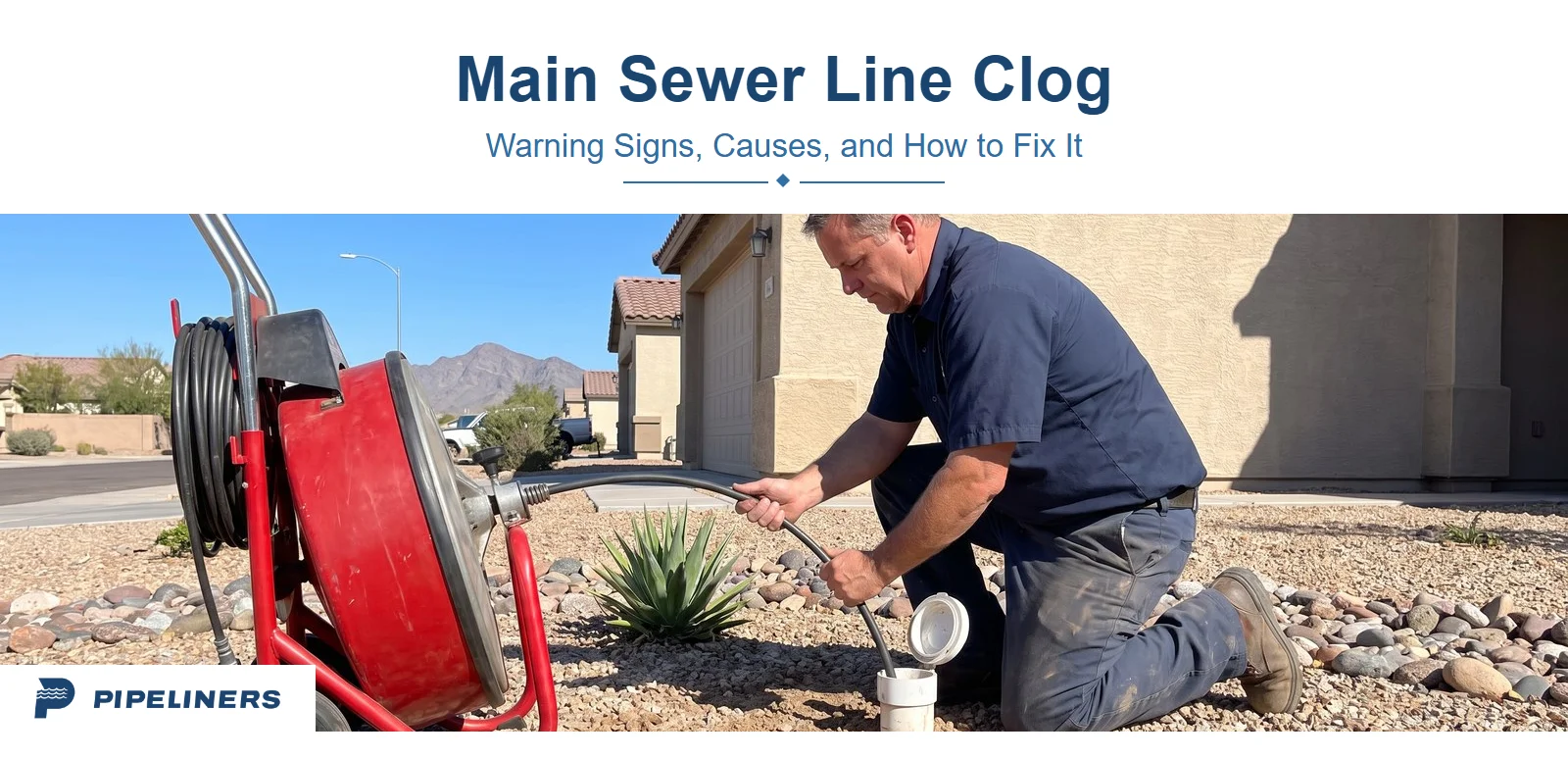
Quick answer: Old sewer pipes usually announce themselves with slow drains, frequent clogs, gurgling sounds, sewer odors, soggy or sunken patches in the yard, and pests. These signs mean the line is cracking, corroding or letting roots in, and a camera inspection shows how far the damage has gone.
Most sewer lines fail slowly. Old sewer pipes give small warnings for months or years before a backup, and catching them early usually means a smaller, cheaper repair. This guide covers the signs to watch for, what kind of pipe your home probably has, and what your repair options are, so you know when to call and what to ask.
What kind of sewer pipe does your home have?
The age of your home is the best first clue. Sewer pipe materials changed over the decades, and each one wears out in its own way.
| Pipe material | Common in | How it usually fails |
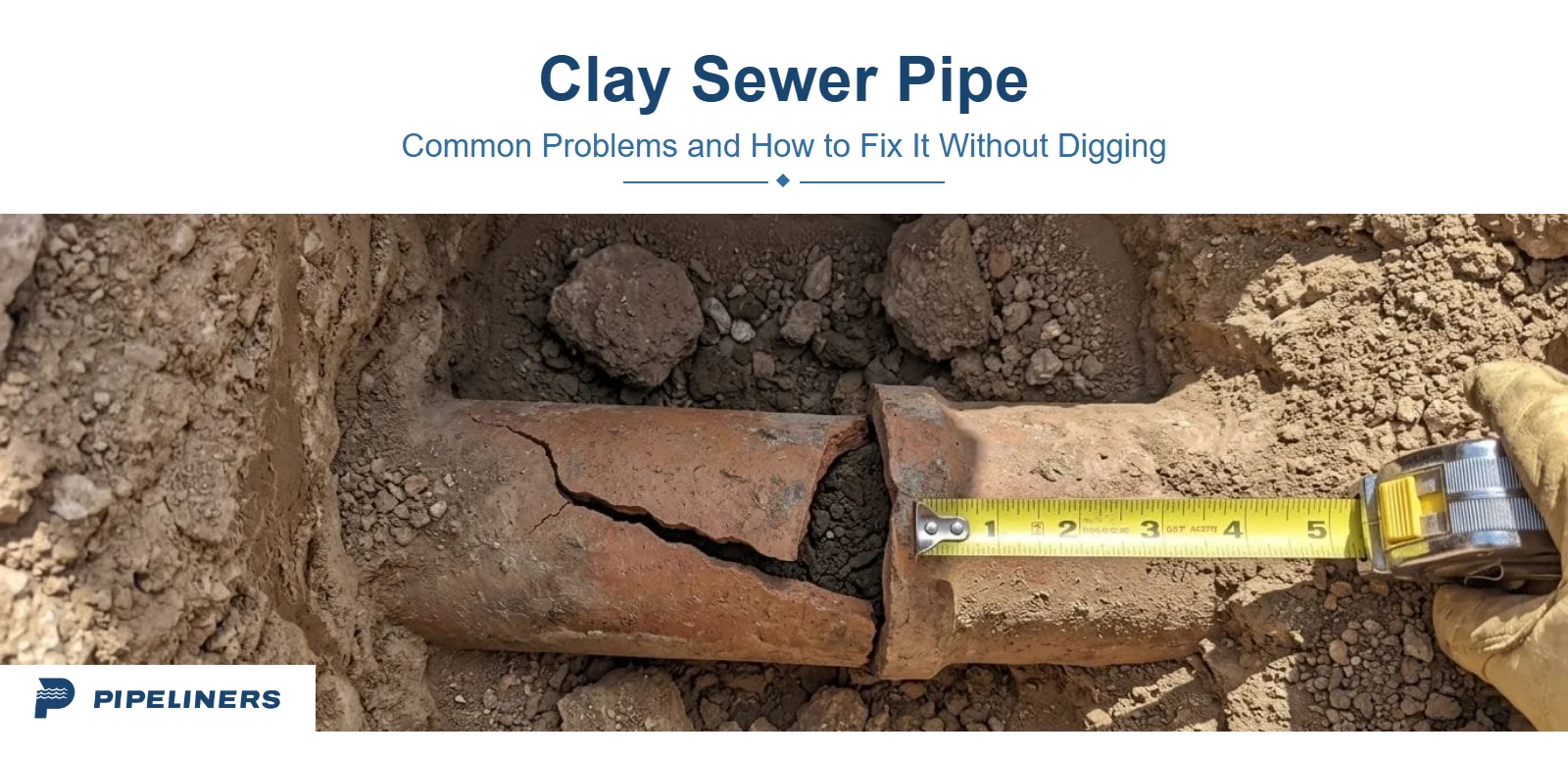
| Clay | Older Phoenix homes, mostly built before 1950 | Joints separate and let roots in; sections crack |
| Orangeburg (tar paper pipe) | Older Phoenix homes, mostly built before 1950 | Softens and flattens until it collapses |
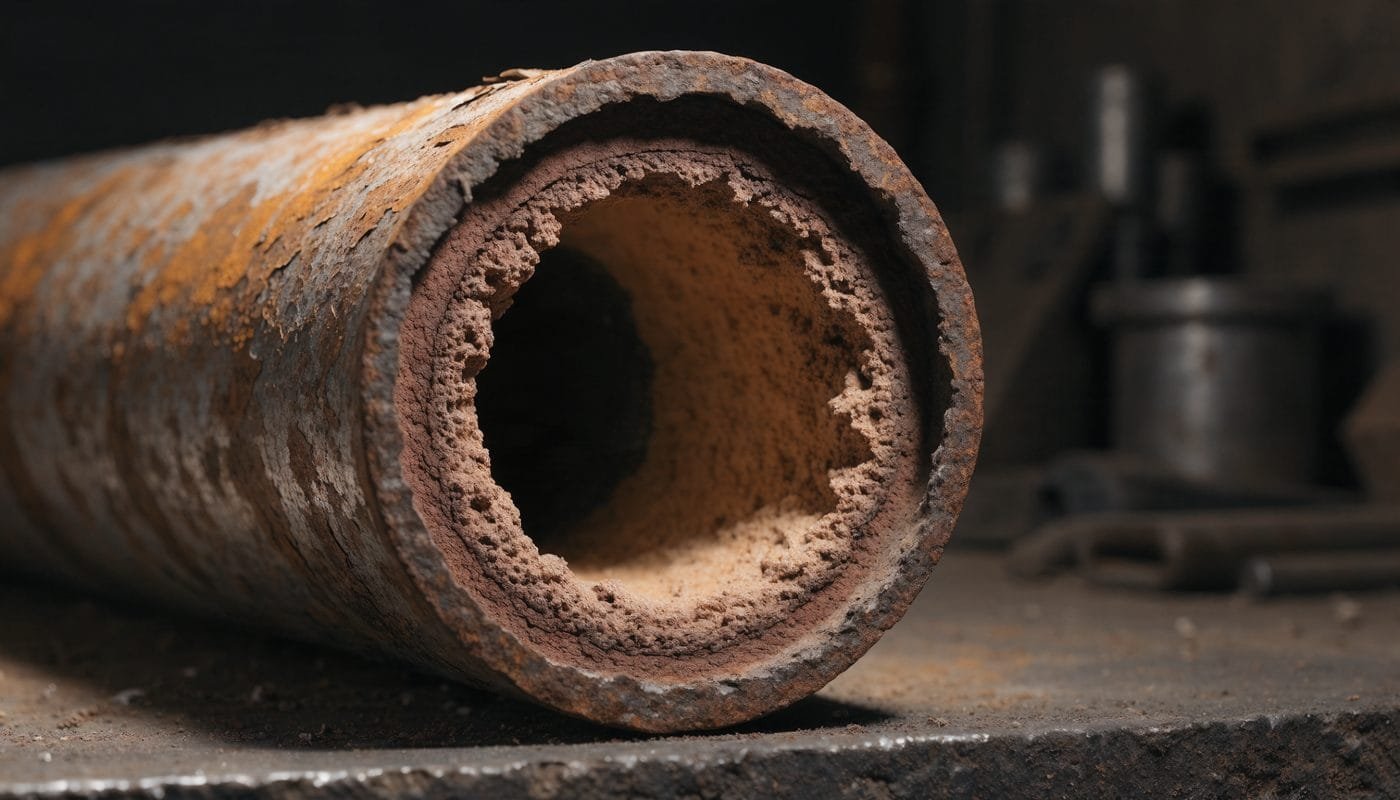
| Cast iron | Many Mesa homes from the 1950s to the 1970s, and Sun City homes from the 1960s and 1970s | Scale builds up inside, then the pipe rusts and cracks |
| ABS or PVC plastic | Newer homes | Resists corrosion; problems are usually bellies, root entry at joints, or damage from soil movement |
Clay pipe is prone to cracking and root intrusion at its joints. Cast iron scales and rusts from the inside, and you can read how long cast iron pipes typically last. Age alone does not tell you the condition of the pipe, though. Two houses on the same street can have very different sewer lines. A camera inspection is the only way to know.
What are the early signs of old sewer pipes?
Early signs are easy to write off as a one-time clog. Pay attention when they repeat or show up at more than one drain.
- Slow drains. One slow sink is usually a local clog. Several slow drains at once point to the main sewer line.
- Frequent clogs. Clogs that come back soon after clearing, especially in the lowest drains in the house such as a tub or floor drain, often mean roots, scale or a sag in the main line.
- Gurgling sounds. Toilets or drains that gurgle when another fixture runs are a sign that air is being pushed through a partial blockage.
- Sewer odors. A sewer smell inside or outside the house can mean gas is escaping through a crack or an open joint.
What are the signs an old sewer line is failing?
These signs mean the pipe is no longer just restricted. It is leaking into the soil around it or breaking down.
- Soggy or sunken ground. Wet spots or low areas along the path of the sewer line, when it has not rained.
- Lush patches in the yard. A strip of greener, faster-growing plants along the line, fed by leaking wastewater.
- Pests. Rodents and insects are drawn to cracks in a sewer line and can use them to get into the house.
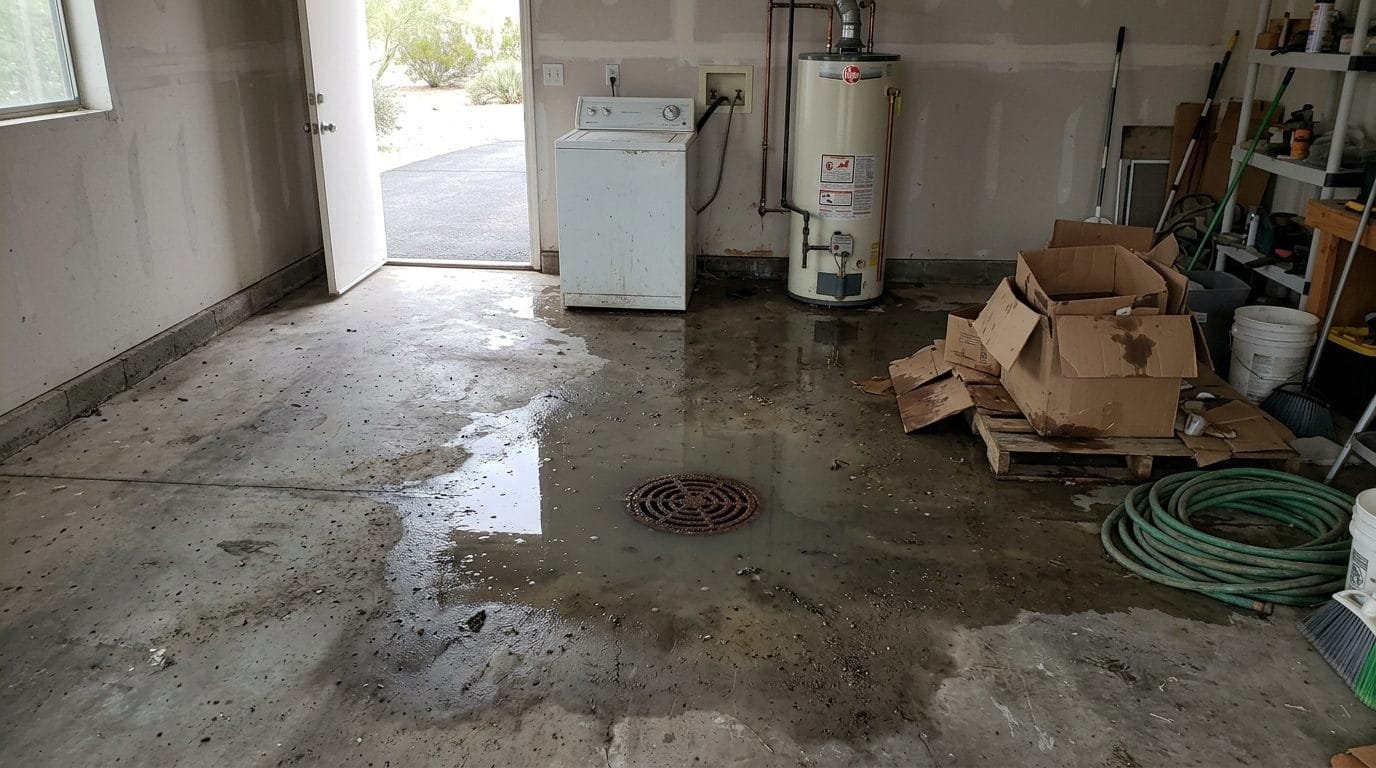
- Sewage backups. Water coming up in a tub, shower or floor drain when you run the washer or flush.
- Cracks in the slab or walls. A long-term leak can wash soil out from under the slab, and the floor or walls can start to crack.
- A higher water bill. If you also have a supply line leak, the bill goes up with no change in use. A sewer leak alone does not raise the water bill, so check both.
What happens if you wait?
A cracked sewer pipe rarely fixes itself. Roots keep growing into open joints, and leaking water keeps washing out the soil around the pipe. Over time a crack can turn into a sag, and a sag can turn into a collapse. The longer a line runs damaged, the more likely you are to face a backup inside the house, damage under the slab, and a bigger repair than you would have needed at the first sign.
How do you confirm your sewer pipes are old or failing?
Book a sewer camera inspection. A small camera is sent through the line from a cleanout, and it shows:
- the pipe material
- the condition of every joint
- any cracks, roots, scale or sags
- where each problem is, and how deep
You see the footage yourself, so you know exactly what you are dealing with before anyone recommends a repair. At Pipeliners, the camera inspection is always the first step.
If your house drains slowly everywhere, the line may need cleaning before the camera can see clearly. Hydro jetting clears roots, grease and scale so the inspection shows the real condition of the pipe.
What are your repair options for old sewer pipes?
The right repair depends on what the camera finds. In most homes, an old sewer line can be restored from the inside without digging up the yard, the driveway or the slab.
| What the camera finds | Usual repair |
| Cracks, open joints, roots or heavy scale, but the pipe still holds its shape | Clean the line, then cure a new liner inside the old pipe |
| Scale buildup in cast iron with the pipe still sound | Clean the scale out with hydro jetting; line the pipe if the walls are thin |
| One damaged spot in an otherwise good line | Only that section may need repair |
| A section that has fully collapsed or lost its path | That section may need to be dug up and replaced |
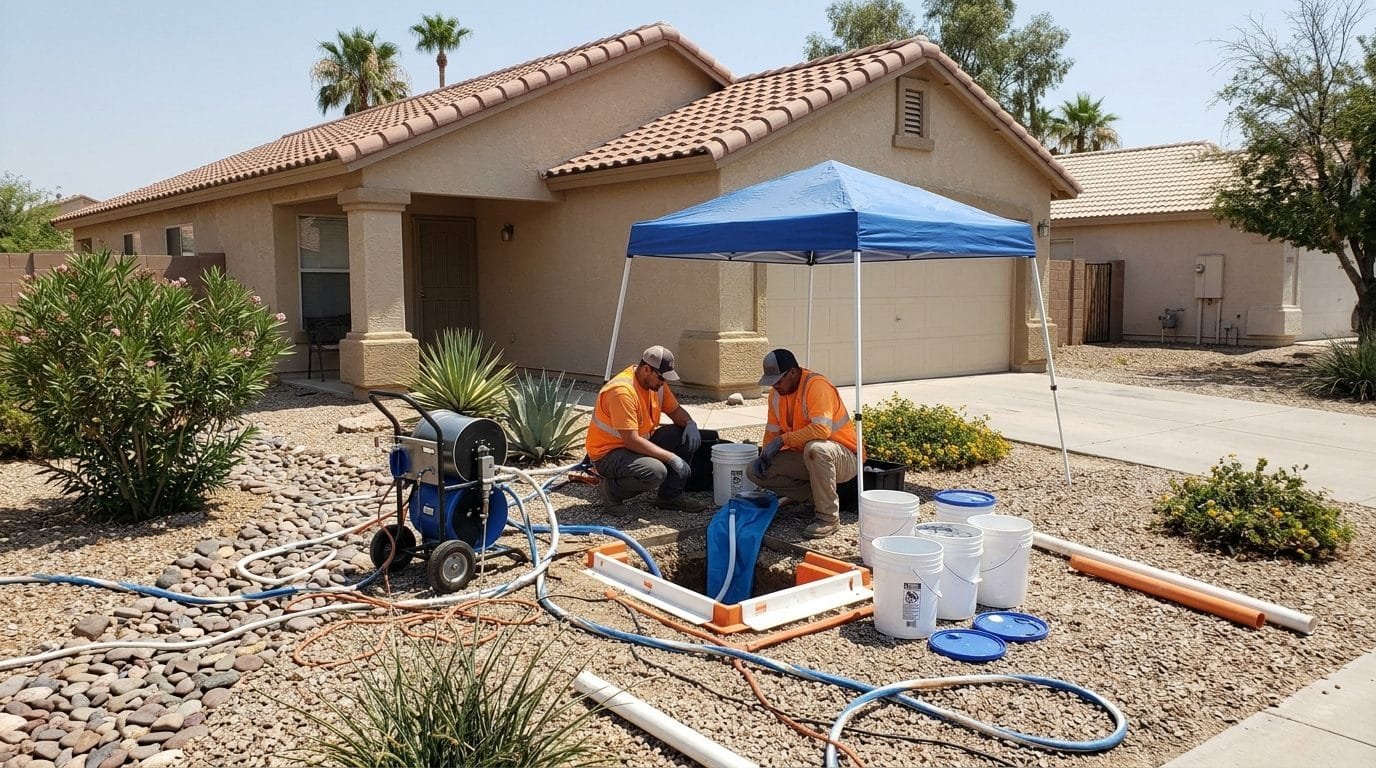
How lining works:
- The crew cleans the pipe.
- They pull a resin-soaked liner through it from a cleanout or one small access point.
- They cure the liner in place with UV LED light.
The result is a smooth, jointless new pipe inside the old one, with no open joints for roots to get through. Pipeliners drain liners are rated to last 50+ years and carry a 20-year transferable warranty. The work costs up to 30% less than digging and replacing the line, and most jobs take a couple of days. Pipeliners also pulls the permits.
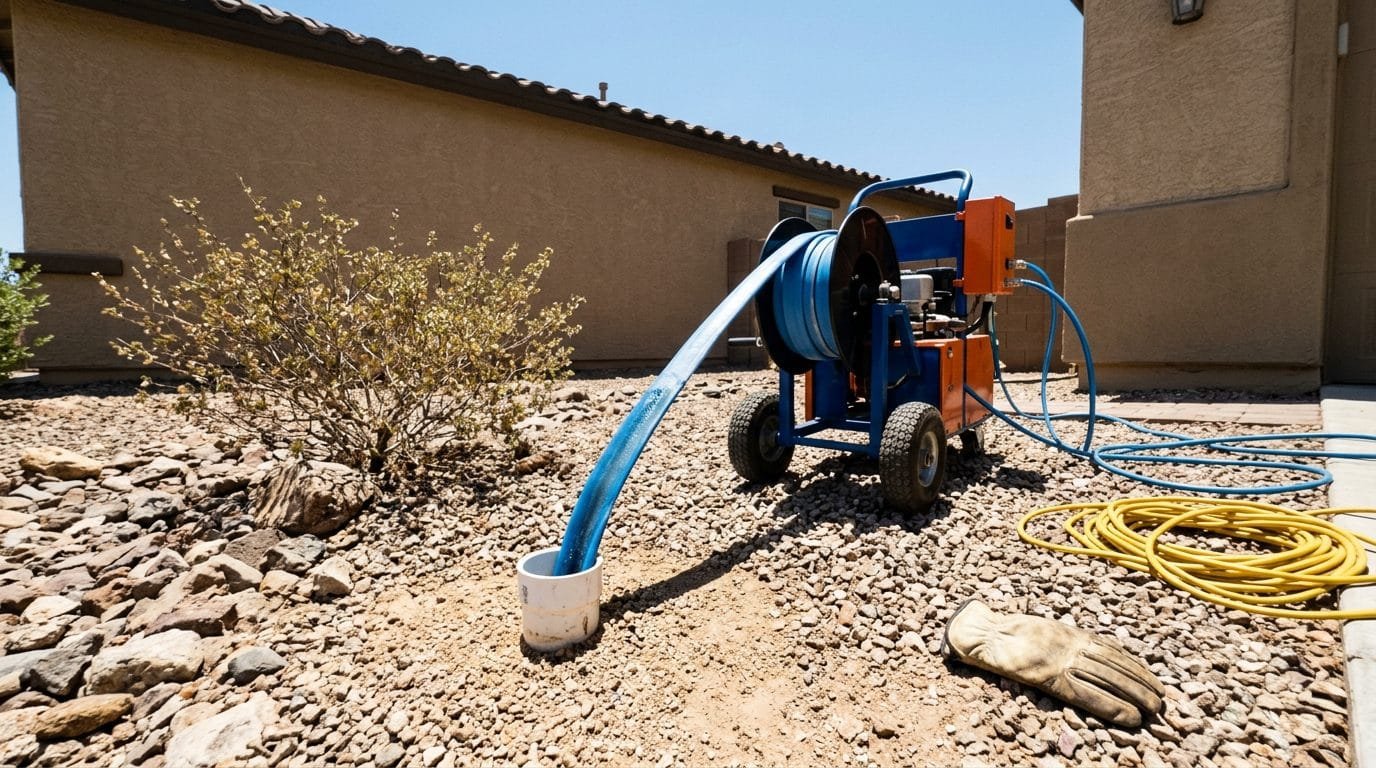
For corroded water supply lines inside the house, the fix is different: epoxy lining seals the pipe from the inside, and ePIPE restoration carries a 10-year warranty.
How can you keep old sewer pipes working longer?
- Watch what goes down the drain. Grease, wipes and paper towels are the most common causes of clogs in older lines.
- Skip harsh chemical drain cleaners. They can damage old cast iron and do not remove roots.
- Plant trees away from the sewer line. Roots go looking for water, and open joints are an easy way in.
- Get a camera inspection when you buy an older home, and again if the early signs above show up. It gives you a baseline to compare against later.
What should you do if your pipes are outdated?
Start with a camera inspection, so the repair is based on what is actually in the pipe and not on a guess. Want to know more? See how trenchless drain pipe repair works, read about ePIPE water line restoration, or read our customer reviews on Google.
Frequently asked questions about old sewer pipes
How do I know if my sewer line is old?
The age of the home and the neighborhood are the first clues, but the only way to know for sure is a sewer camera inspection. It shows the pipe material, its joints and any cracks, roots or sags along the whole line.
Can old sewer pipes be repaired without replacing them?
Often, yes. If the pipe still holds its shape, it can be cleaned and lined from the inside with a cured-in-place liner. Collapsed or badly sagging sections need to be dug up and replaced. See how to repair a sewer line without digging.
Should I replace an old sewer line before it fails?
Not necessarily. If a camera inspection shows tight joints and no roots, cracks or sags, there may be nothing to fix yet. The inspection gives you a baseline, so you can watch for changes instead of guessing.
What is the most common sign of an outdated sewer line?
Slow drains and clogs that keep coming back at several fixtures at once. A single slow sink is usually a local clog; the whole house draining slowly points to the main line.