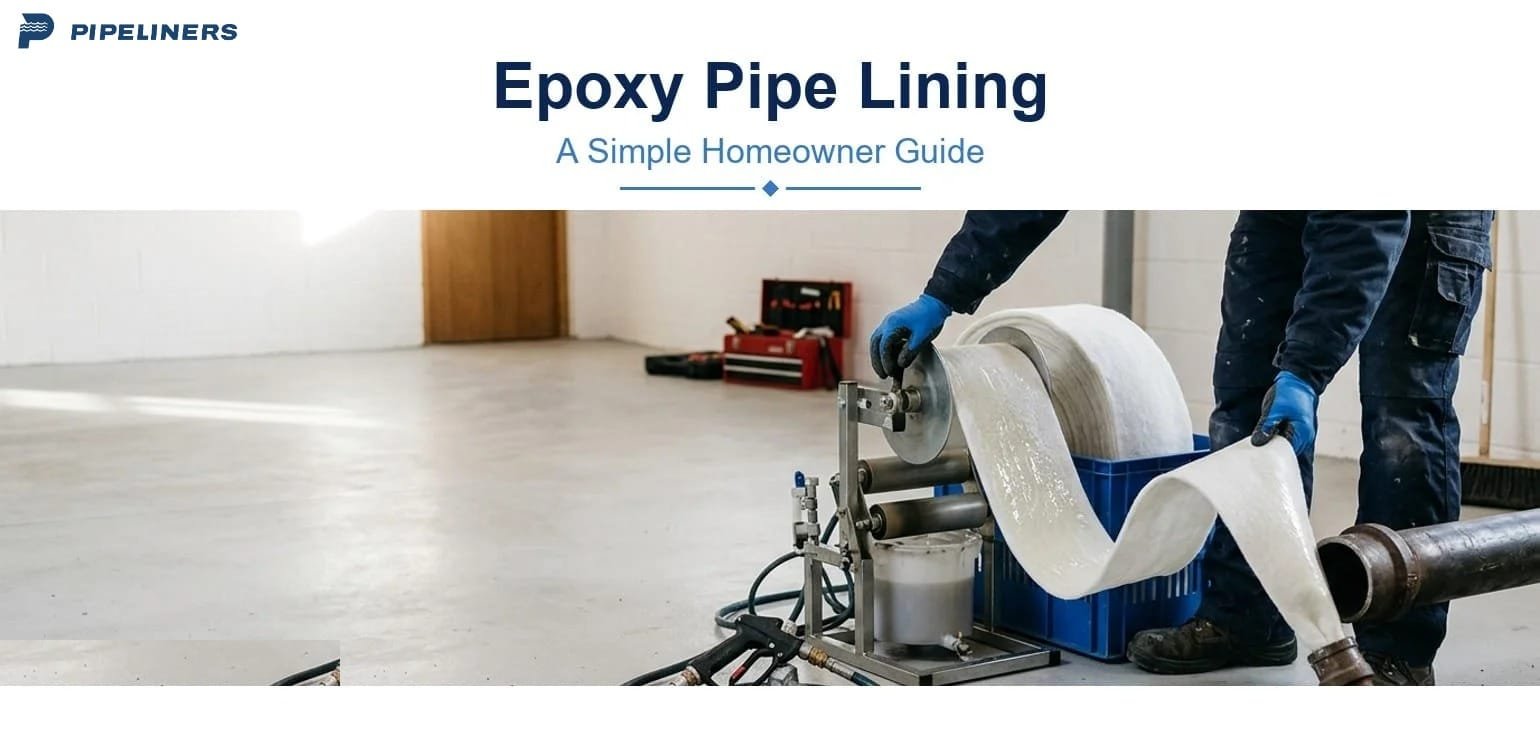
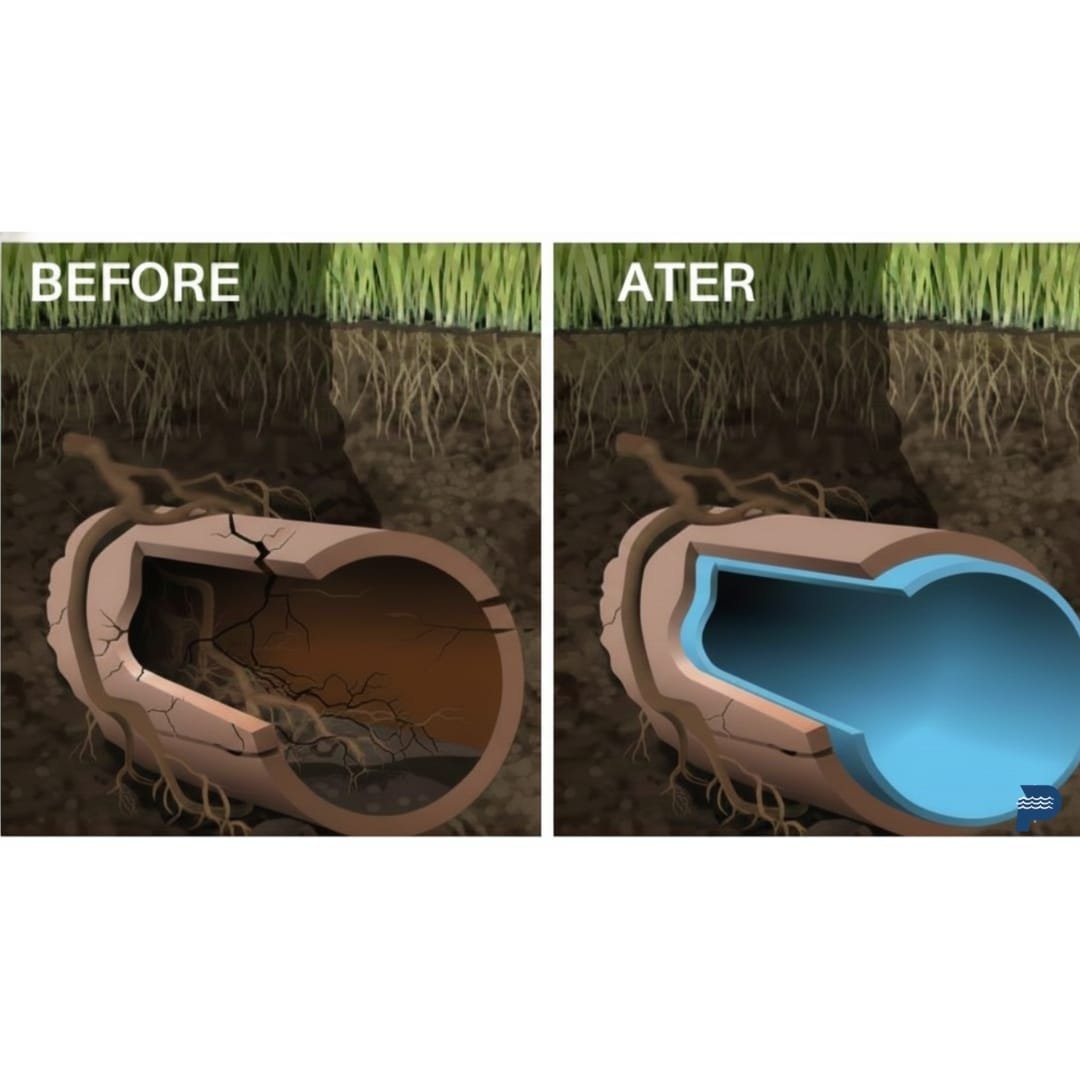
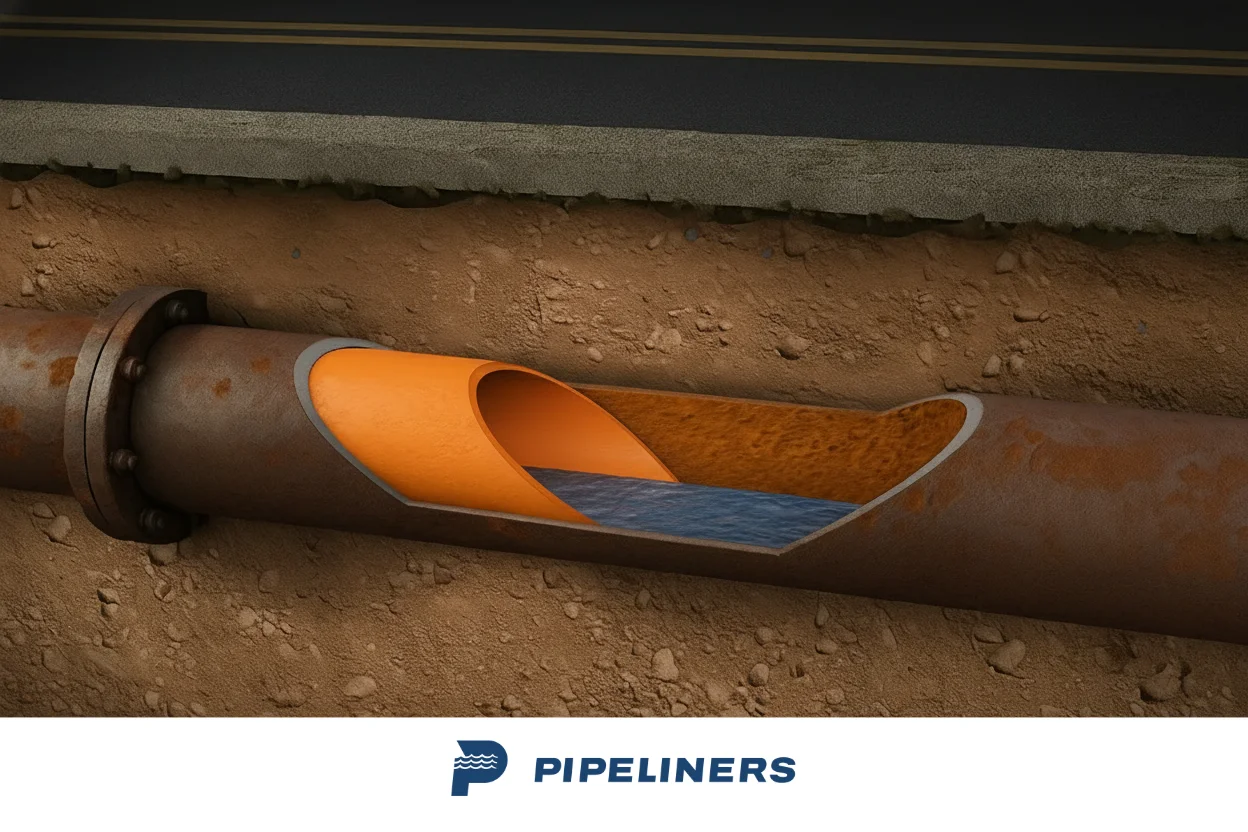
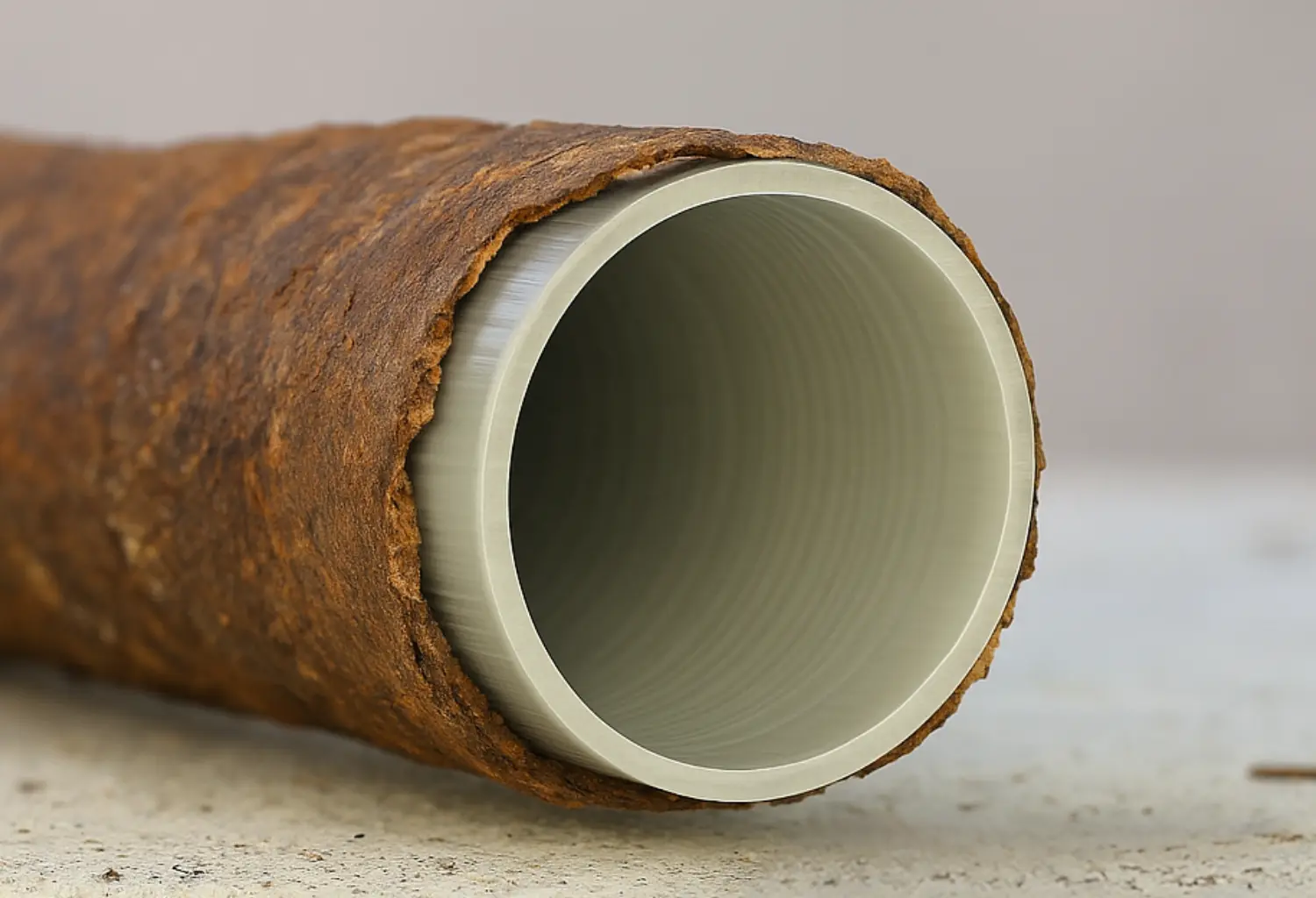
Quick answer: Epoxy pipe lining is a no-dig repair that coats the inside of a damaged pipe with a strong epoxy resin, forming a smooth new pipe inside the old one. It seals cracks, leaks, and corrosion without tearing up...
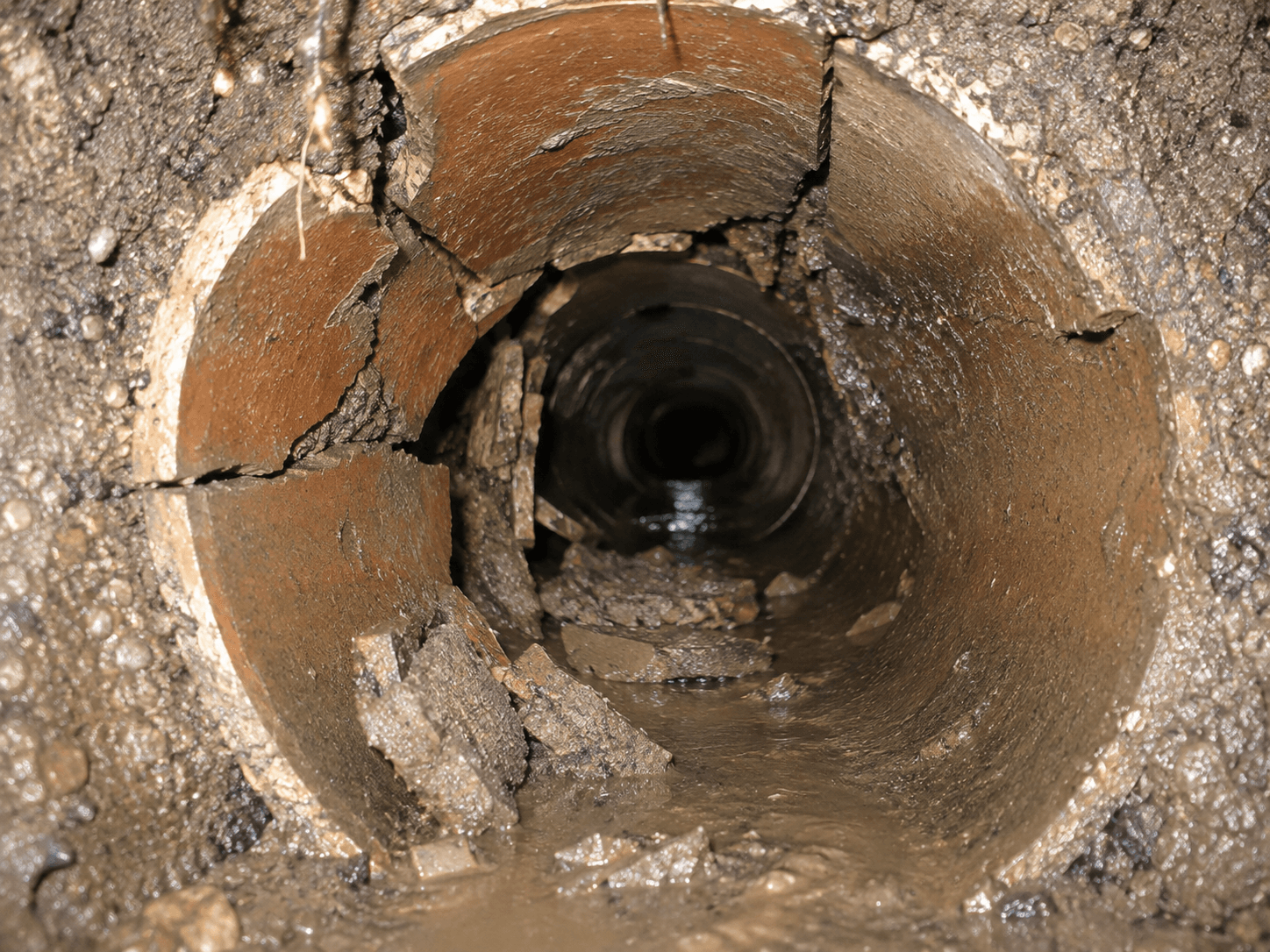
If your sewer line keeps backing up, smells bad, drains slowly, or has been damaged by roots, you may be wondering if there is a way to fix it without tearing up your yard. For most homeowners, the biggest worry...
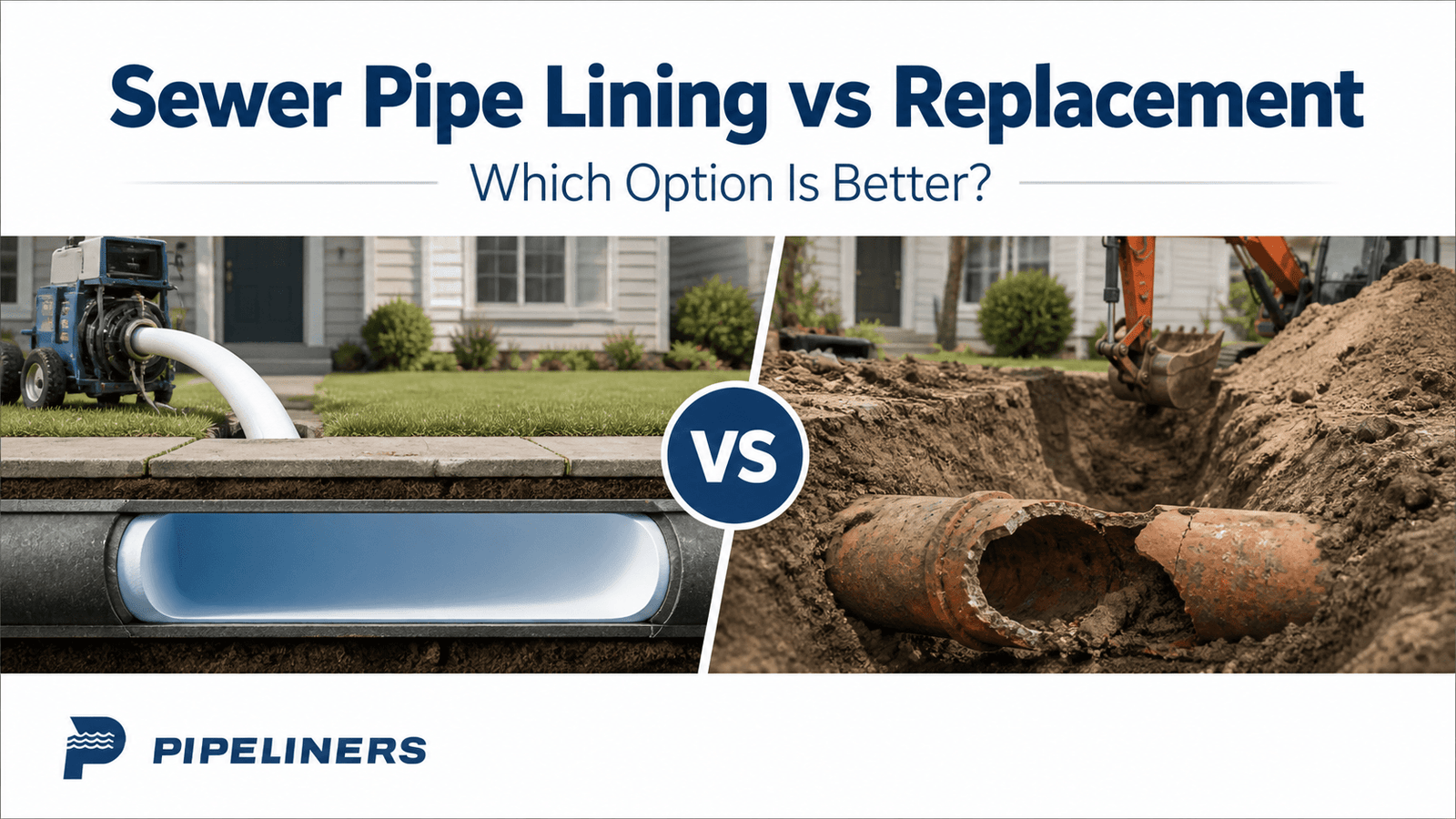
If your sewer line is cracked, leaking, backing up, or damaged by roots, you may be wondering whether you need full replacement or if there is a cleaner way to fix the problem. Traditional sewer replacement usually means digging up...
STrenchless sewer repair has become increasingly popular as a modern alternative to traditional digging. However, because it’s still unfamiliar to many homeowners, several myths continue to cause confusion and hesitation. These misconceptions often lead people to delay repairs or choose...
Is trenchless sewer repair more expensive than digging? Quick answer: Trenchless sewer repair cost is usually lower overall than digging up and replacing the line. Pipeliners’ drain lining typically costs 20 to 30 percent less than traditional dig, demolish and...
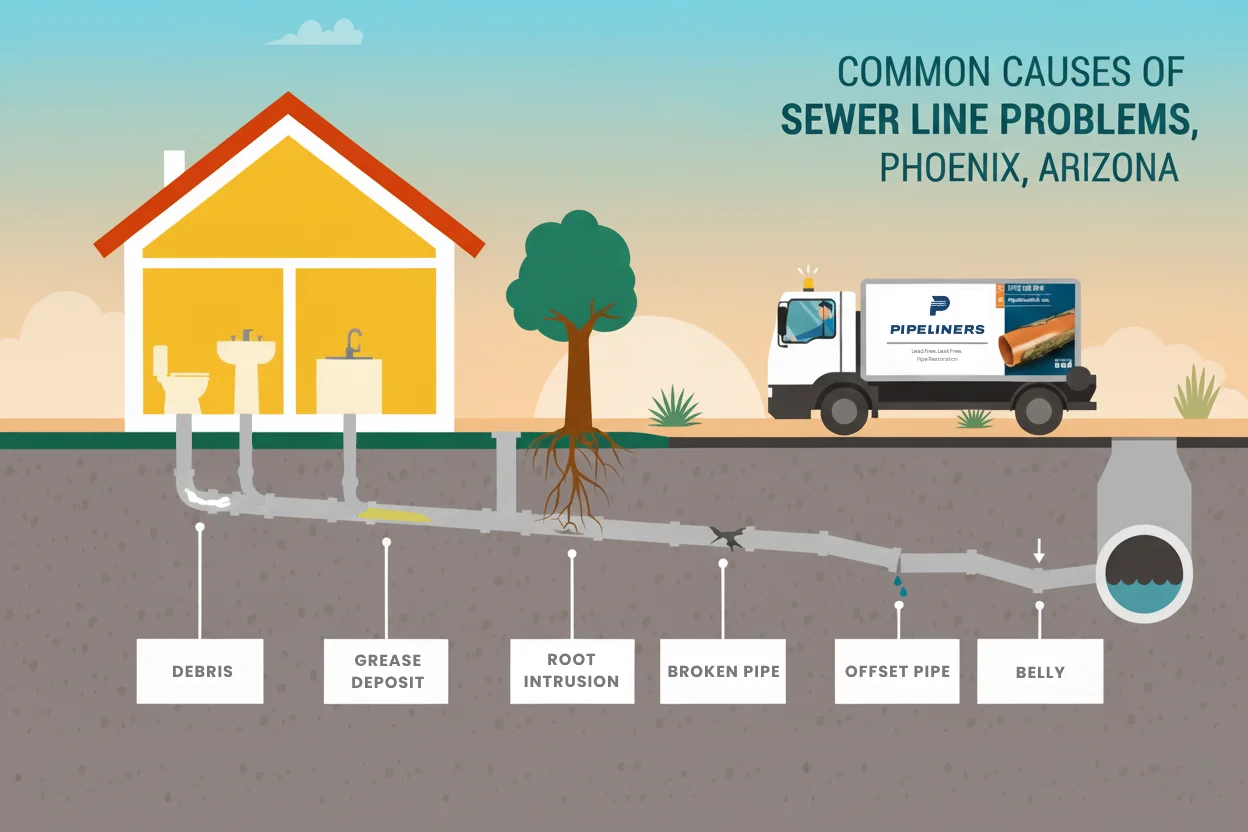
Common Causes of Sewer Line Problems in Phoenix, Arizona Phoenix sewer line problems can quickly become serious health hazards if they’re neglected. Your home’s sewer line quietly carries wastewater from toilets, sinks, and showers to the city sewer or a...
Quick answer: Sewer pipe relining repairs a damaged line from the inside, so there is no long trench through your yard or floor. The six trenchless methods compared here are CIPP lining, pull-in-place lining, pipe bursting, slip lining, spray-applied epoxy...
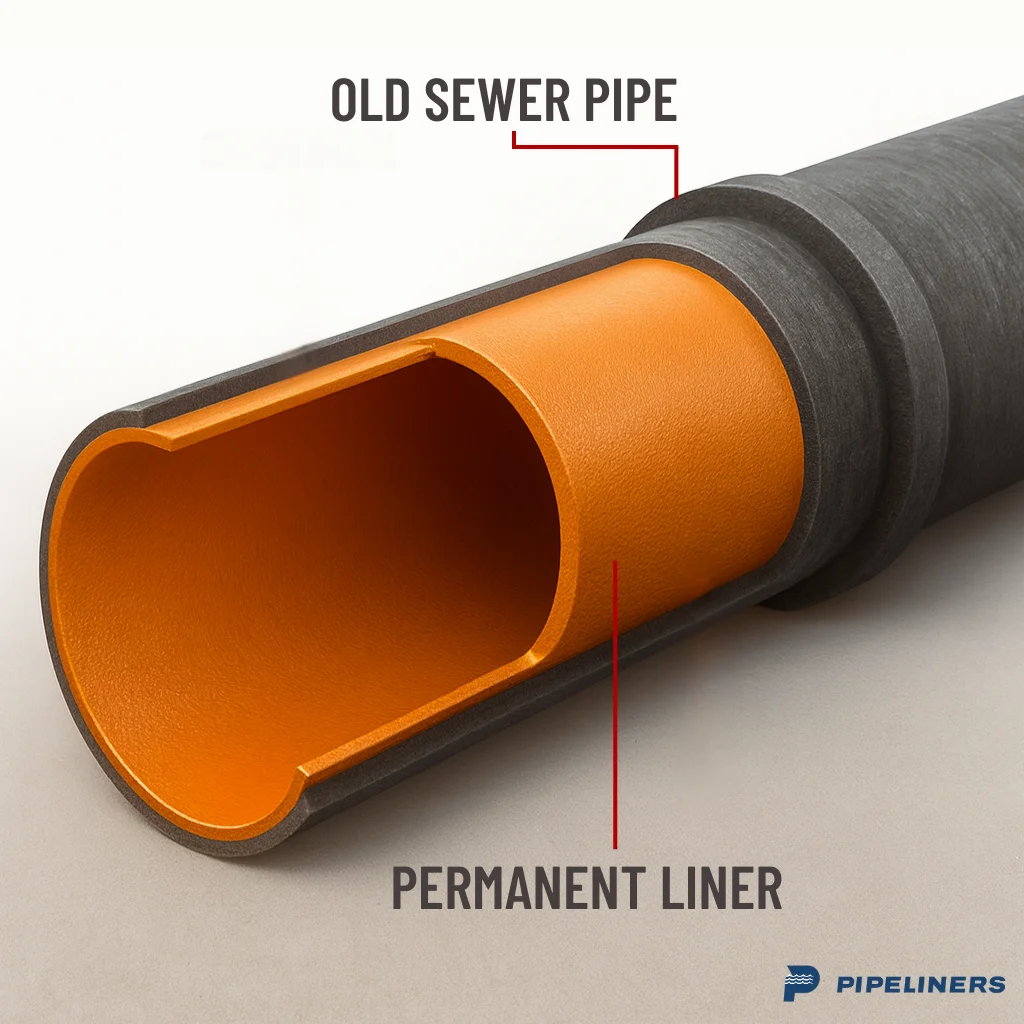
Quick answer: CIPP (cured-in-place pipe) lining is a trenchless sewer repair that builds a brand-new pipe inside your old, damaged one. A resin-saturated fabric liner is pulled or inverted into the cleaned pipe, inflated, then hardened (cured) with heat, steam,...