
Looking for a Pipe Repair Company Serving Fort McDowell Arizona?
We are Fort McDowell's Pipelining Experts, Call Us Today!
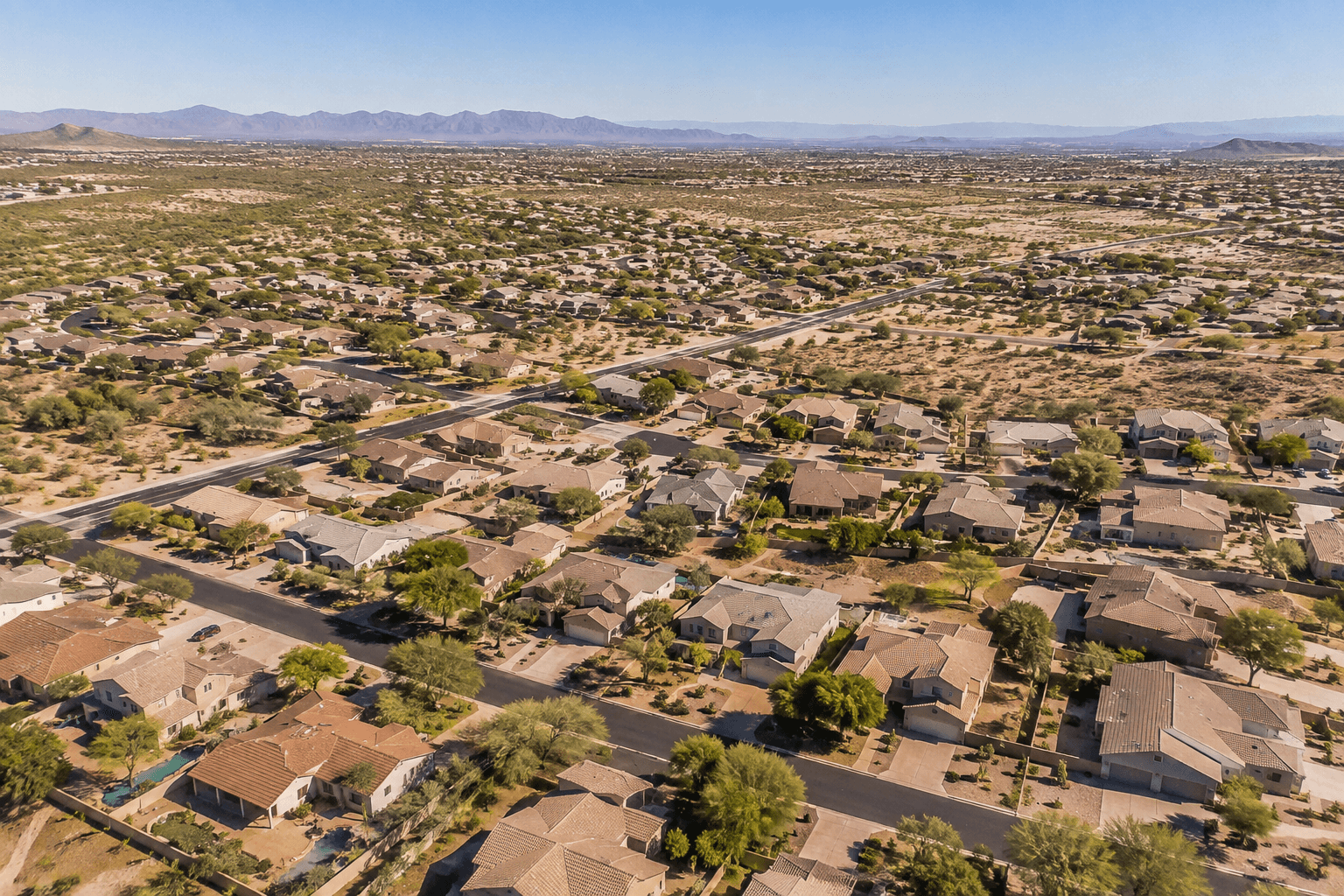
Property here sits well out from the metro, and the run between a house and whatever it connects to is usually a long one. Some of it goes to the community wastewater system and some to a septic tank, and that difference decides where a repeat backup is actually coming from. A camera inspection establishes it before work is quoted. Either way Pipeliners rebuilds from within the line, because trenching a run of that length across this ground is the expensive part, not the pipe.
No Demolition Solution
No trenching across your Fort McDowell yard, driveway, or slab. We restore pipes in place, so your landscaping and hardscape stay untouched.
Up To 30% Cost Savings
Fort McDowell homeowners typically save up to 30% versus dig-and-replace, with no costly concrete, sod, or hardscape restoration afterward.
Eco-friendly Repairs
We rehabilitate your existing clay, cast iron, or copper lines from within instead of hauling old pipe to a landfill.
Minimal Interruption
Your Fort McDowell property stays open and usable while we work underground with minimal disruption.
Serving Fort McDowell, AZ
Pipe Lining

Pipe lining gives Fort McDowell area property owners a trenchless, no-dig way to rebuild cracked, leaking, or root-invaded sewer and drain lines without tearing open a yard, driveway, or slab. Fort McDowell sits in the rural northeast Valley near Fountain Hills, where properties run on long private line runs across rocky desert ground and some rely on septic systems rather than city sewer. Digging those lines up is slow and destructive. Instead, we insert an epoxy-saturated liner into the existing pipe and cure it in place with UV LED technology, forming a seamless new pipe inside the old one. The restored line can last for decades.
Pipe Lining Advantages

Trenchless repair for the rural northeast Valley
On rural properties near Fort McDowell, where lines run long distances across desert terrain, digging up a sewer or water line is expensive and disruptive. Pipe lining rehabilitates the pipe from the inside through one or two small access points. Once the epoxy liner cures, you get a jointless pipe with a 50-year design life, restored flow, and lasting protection against roots and rocky soil movement, all without an open trench.
ePipe Water Line Solutions
Copper water lines on rural Fort McDowell properties.
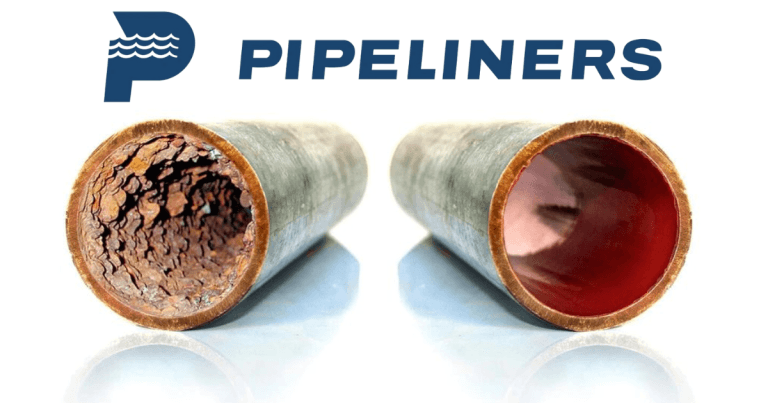
Hard water thins copper from the inside over the years, and the first sign is usually a leak at the weakest point rather than a system-wide failure. Out here the runs are long, so tracing and reaching that point costs more than it would on a small lot in town.
ePIPE treats the whole run instead of the one failure, cleaning and coating the existing lines from within. Suitability depends on the condition of the copper, which is checked before anything is recommended.
The barrier is applied along the inside of the line once it has been cleaned and dried, sealing it against the corrosion and scale that hard water leaves behind. The pipe returns to service renewed without any section of it having been dug up or cut out.
All of the work travels through the plumbing rather than through the building, so finished surfaces are left alone.
Services Matched to Fort McDowell Properties
- Stops pinhole and slab leaks: The Valley's hard water corrodes copper from the inside. Our NSF/ANSI 61-certified epoxy coating seals the system and stops recurring leaks, without opening walls.
- Minimal disruption: ePIPE keeps your home usable and turns repairs around fast.
- Protects your landscaping: CIPP renews sewer lines without tearing up pavers, turf, and landscaping.
- Durable repair: A cured-in-place liner seals out roots and resists soil movement for a decades-long repair.
Why Fort McDowell Property Owners Call Pipeliners
We Come Out to the Northeast Valley
Fort McDowell sits well beyond the metro core, and plenty of trenchless contractors will not travel this far. We do, and the job is scoped the same way as one in Phoenix.
Permit Compliant Work
Requirements here depend on which authority has jurisdiction over the property. We establish that before work starts and handle the permits and inspections that apply, so the repair is completed to code.
Camera-Verified Diagnoses
Every job starts with a sewer camera inspection, so you see the real condition of your line before any work begins. No guesswork and no unnecessary upselling.
Frequently Asked Questions About Trenchless Pipe Repair in Fort McDowell, AZ
Who should I contact if my sewer problem may involve Fort McDowell community infrastructure?
The Fort McDowell Yavapai Nation lists both a Public Works Department and a Waste Water Treatment Plant among its community services. If a backup appears to involve community wastewater infrastructure rather than piping on the property, contact the Nation before authorizing major private repairs.
A sewer camera inspection can also help determine where the problem begins.
What if my Fort McDowell property uses a septic system instead of a public sewer?
A septic system is different from a municipal sewer connection. Arizona DEQ explains that septic systems treat wastewater onsite using a tank and soil-based drainfield.
Trenchless lining may be useful for a damaged pipe leading to the septic system, but it does not repair the septic tank or drainfield itself. The source of the problem should be identified first.
My drain keeps backing up at a Fort McDowell property. Where does that usually lead?
It depends what the line runs to, and that matters more here than it does in town. On a property connected to the community wastewater system, a repeated backup points at the building sewer between the house and that connection. On a septic property it can just as easily be the tank or the drainfield, which is a different problem with a different fix.
Clearing the line comes first either way. A cable will open a blocked line; hydro jetting scours it back to the pipe wall, which is what decides whether the blockage returns next season. The camera afterwards tells you which of the two situations you are actually in.
Does my sewer need a cleanout before CIPP lining can be installed?
Not always.
NASSCO states that cleanouts are recommended but are not required for every lateral-lining project. Depending on the pipe layout and installation method, access may also come from the sewer main or a small access point.
Can CIPP lining work in a sewer line with several bends?
Potentially, yes. NASSCO’s rehabilitation guidance states that some CIPP systems can navigate multiple 45- and 90-degree bends, depending on the pipe diameter, liner system, and configuration.
A camera inspection is still needed because severe offsets or obstructions may prevent proper installation.
Will pipe lining fix a sewer line that has a belly or poor slope?
No. CIPP follows the existing path of the sewer pipe.
NASSCO specifically notes that the line and grade of the existing pipeline remain after lining. If a low or settled section is causing standing wastewater, that area may require a different repair.
Can a sewer line with recurring tree roots be repaired with trenchless lining?
It may be possible after the roots are removed and the pipe is inspected.
NASSCO identifies CIPP as suitable for laterals with cracks, fractures, or holes that have generally retained their shape, and states that a properly installed liner can prevent future root intrusion.
If the pipe has collapsed or lost too much of its shape, another repair method may be necessary.
Can my home or business keep using the drains while CIPP is being installed?
Some pressurized water-line systems may qualify for internal ePIPE restoration instead of conventional repiping.
Pipeliners USA uses ePIPE for suitable systems affected by pinhole leaks, slab leaks, copper corrosion, low flow, and aging water lines.
The water piping should be evaluated first because not every system is a candidate for internal coating.
How can I verify that a trenchless sewer repair was completed properly?
Ask how the contractor will inspect and document the finished liner.
NASSCO states that lateral rehabilitation should include inspection, verification, documentation, and testing of the completed work.
Before-and-after camera footage can provide a useful record of the original pipe condition and the completed repair.
