
A sewer smell in your house after summer is usually a dry drain trap. Arizona heat evaporates the water seal in unused drains, letting sewer gas up through the pipe. Run water in every drain for about a minute. If the smell returns within a few days, the cause is likely a vent, a seal, or the sewer line itself.
In short: refill the traps first, then watch. A smell that returns, shows up in more than one room, or comes with gurgling or slow drains needs a camera inspection, not more air freshener.
Key Takeaways
- The most common cause of a sewer smell in a house that sat empty is a dried-out P-trap, and it takes a minute to fix.
- Forgotten drains dry out first: guest showers, laundry and garage floor drains, and spare-room sinks.
- A smell that comes back after refilling the traps points to a loose toilet seal, a blocked roof vent, or a damaged sewer line.
- Monsoon storms and summer ground movement can crack or shift an old sewer line, and a sewer smell is often the first sign.
- A sewer camera inspection shows exactly where the gas is escaping before anyone recommends a repair.
Why does my house smell like sewer after the summer?
Every drain in your home has a curved section of pipe, called a P-trap, that holds a little water. That water is the seal. It stops sewer gas in the drain line from rising into the room.
In a Phoenix Valley summer, water in an unused drain evaporates much faster than it would up north. If the house was closed up from May to October, or if a guest bathroom simply went unused, the traps dry out and the seal is gone. The first time the air conditioning kicks on or a door is opened, you smell it.
September adds two more reasons. First, many winter residents in communities like Sun City, Sun City West and Sun Lakes start coming back to homes that sat empty all summer. Second, the monsoon season officially runs from June 15 to September 30, according to the National Weather Service. Heavy storms can push debris into sewer lines and stress older pipe, and the damage often shows up as a smell before it shows up as a backup.
What causes a sewer smell in the house?
A sewer smell means gas is getting past a seal somewhere in the system. These are the usual causes, from easiest to hardest to fix:
- Dry P-traps in sinks, tubs, showers and floor drains that were not used for weeks.
- A dry floor drain in a laundry room or garage. Nothing runs through these, so they dry out first.
- A loose toilet seal. A worn wax ring lets gas escape around the base of the toilet.
- An open or cracked sewer cleanout cap in the yard or along the side of the house.
- A blocked or broken roof vent. Vents let sewer gas escape above the roof. When a vent is blocked, gas gets pushed out through the drains instead, often with gurgling sounds. See whether gurgling drains point to a bigger issue.
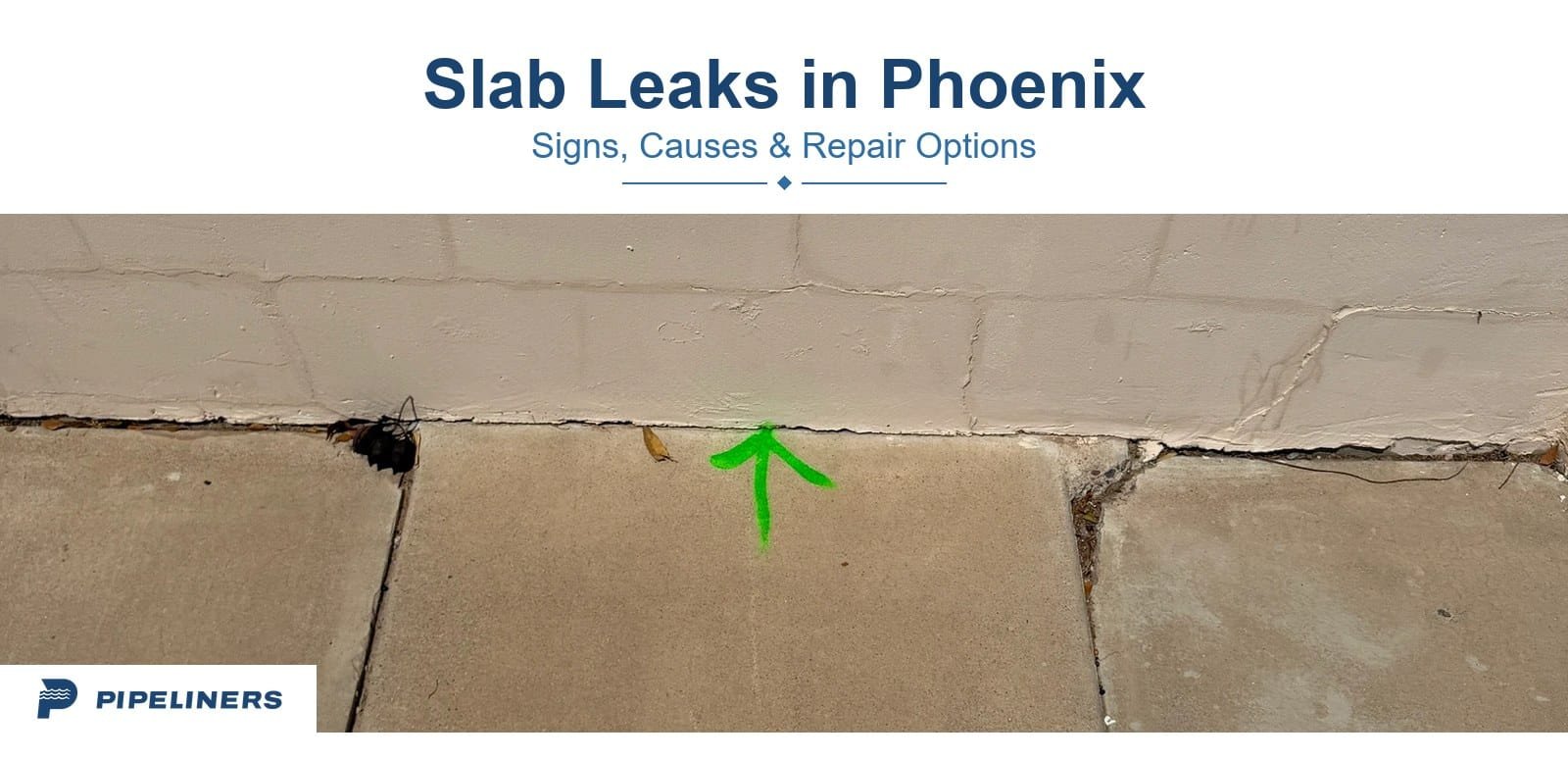
- A damaged sewer line. Cracks, separated joints, roots or a sagging section let gas and wastewater escape underground, and the smell can come up through the slab or the yard.
How do I get rid of a sewer smell in the house?
Start with the simple fixes, especially if the house sat empty or a bathroom went unused. Most smells clear up with these steps:
- Run water in every drain for about a minute. Include the guest bathroom, the laundry sink, the wet bar and any shower nobody uses.
- Pour a bucket of water into every floor drain, including the laundry room and garage.
- Flush every toilet and check the floor around the base. A toilet that rocks or a damp, stained floor points to a failed seal.
- Walk the outside of the house. Find the sewer cleanout, usually a capped pipe near the foundation or in the front yard, and make sure the cap is on and not cracked.
- Wait a day or two. If the smell is gone and stays gone, a dry trap was the cause.
If the smell comes back within a few days, do not keep refilling traps and hoping. Something is breaking the seal again, and the next step is finding out what.
When does a sewer smell mean a sewer line problem?
A sewer smell points past the traps and toward the sewer line when you notice any of these:
- The smell comes back within days after every drain has been refilled.
- It is strongest near the floor, along a wall, or in more than one room.
- Drains gurgle or run slowly across the house, not just at one sink.
- Toilets bubble when the washing machine or dishwasher drains.
- You can smell sewage outside near the cleanout, or there is a soggy or unusually green patch in the yard along the sewer line.
- It started after a heavy monsoon storm.
In older Valley homes, those signs often trace back to clay or cast iron sewer laterals that have cracked, pulled apart at the joints, or taken in tree roots. Newer homes can have a bellied sewer pipe where settled ground let a section sag and hold waste. Storm damage is covered in more detail in our guide to monsoon sewer line damage in Arizona.
Where the smell is, and what it usually means
| Where you notice the smell | Most likely cause | What to do |
|---|---|---|
| One drain that is rarely used | Dry P-trap | Run water for a minute |
| A shower or tub drain you use every day | Buildup in the drain, or a vent problem | Clean the drain; call if it keeps coming back |
| Laundry room or garage | Dry floor drain | Pour in a bucket of water |
| Around the base of a toilet | Failed wax ring or loose toilet | Have the toilet reset |
| Several rooms, with gurgling | Blocked vent or a clog in the main line | Call for a camera inspection |
| Near the floor or a wall, keeps coming back | Cracked or separated sewer line | Call for a camera inspection |
| Outside, near the cleanout or a soggy spot | Damaged or blocked sewer lateral | Call for a camera inspection |
How is a damaged sewer line found and fixed without digging?
The first step is always a camera. A technician runs a sewer camera through the cleanout and records the full line from the house to the city connection. The footage shows whether the problem is a crack, a separated joint, roots, a sag or a blockage, and where it sits.
If the line is clogged with grease or roots, hydro jetting scours it clean so the camera can see the pipe walls. If the pipe is cracked or the joints have pulled apart but it still holds its shape, Pipeliners relines it from the inside. A resin-saturated liner is pulled through the old pipe and cured in place, which leaves a new, jointless pipe inside the old one, with no trench across the yard. That is the core of trenchless sewer repair.
If a section has collapsed or sagged out of grade, a liner alone will not fix it. That spot is repaired first, and the rest of the line is lined after. Our guide to cracked vs collapsed sewer pipes explains the difference.
Is sewer gas dangerous?
Sewer gas contains hydrogen sulfide, the source of the rotten egg smell. The New York State Department of Health notes that at low levels it is mainly a nuisance, but the odor can cause symptoms such as nausea or headaches. A faint smell from a dry trap is not an emergency. A strong, lasting smell is a reason to ventilate the house and get the source found.
A fall checklist for winter residents
If you are coming back to an Arizona home that sat empty for the summer, add these to your first-week list:
- Run water in every sink, tub and shower, and fill every floor drain.
- Flush each toilet twice and check the floor around it.
- Run the washing machine and dishwasher once, and listen for gurgling in other drains.
- Look at the yard along the sewer line for soggy or sunken spots, especially after monsoon storms.
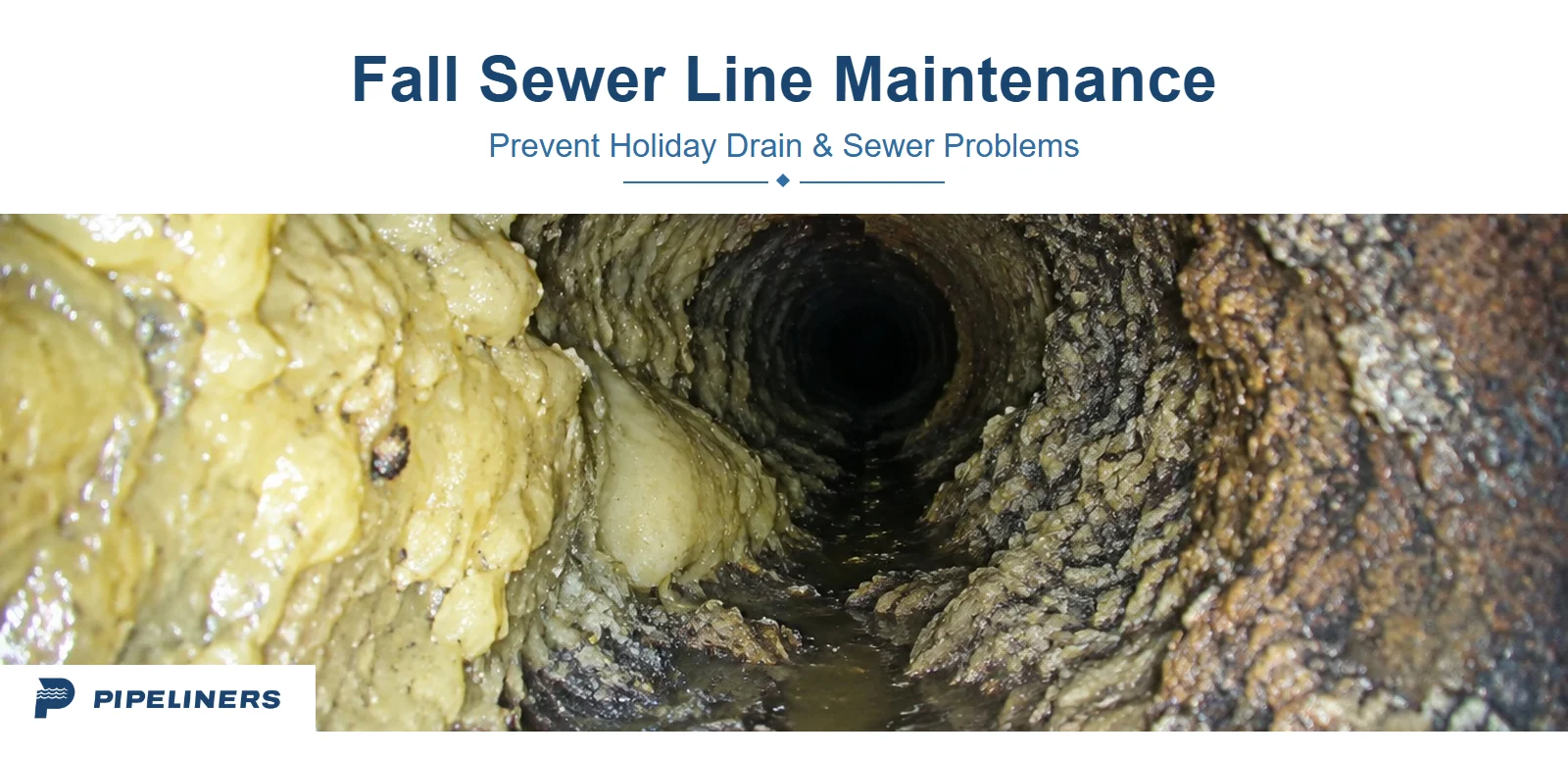
- If the house is more than 30 years old and the sewer line has never been inspected, book a camera inspection before the holidays. Our fall sewer line maintenance guide covers the rest of the season.
- Before you leave again next spring, ask whoever checks on the house to run water in every drain every couple of weeks.
For homes in low-lying spots or with a history of backups, a backwater valve is also worth asking about.
Frequently asked questions
Why does the sewer smell in my house come and go?
An on-and-off smell usually means a trap that dries out between uses, or a vent that only lets gas escape when another drain is running. If running water fixes it for a while and it keeps returning, have the vent and the sewer line checked.
Why does my shower drain or toilet smell like sewer?
A shower drain that smells even though it is used every day usually has buildup of hair and soap in the pipe below the grate, or a vent that is not letting air in. A toilet that smells at the base usually has a failed wax ring. If cleaning the drain or resetting the toilet does not fix it, the sewer line should be checked.
How long does it take a P-trap to dry out?
It depends on heat and humidity. In a hot, dry Arizona summer, a trap in a drain that nobody uses can lose its water seal within a few weeks. Running water through it every couple of weeks keeps the seal in place.
Can a cracked sewer line under the slab cause a sewer smell?
Yes. Gas and wastewater escaping from a cracked or separated line under or beside the slab can rise through gaps around pipes and into the house. A camera inspection is the way to confirm it before any repair is recommended.
Does pouring bleach down the drain get rid of a sewer smell?
It may cover the smell for a short time, but it does not fix a dry trap, a failed toilet seal or a broken line. Plain water refills a trap. Never mix bleach with other drain cleaners.
Why does my house smell like sewer after it rains?
Heavy monsoon rain can overload sewer lines, push air and gas back through the drains, and wash debris into cracks in older pipe. If the smell shows up after storms, have the line inspected for cracks, roots or a sagging section.
Should I get a sewer camera inspection when I come back for the winter?
If the smell keeps returning after you refill the traps, or your drains are slow or gurgling, yes. It is also a good idea for older homes that have never had the sewer line inspected. Pipeliners runs the camera first and shows you the footage before recommending anything.
Ready to find the source of the smell?
Refilling the traps fixes most summer smells. If yours keeps coming back, it is time to see inside the line. Schedule a sewer camera inspection with Pipeliners, and we will show you exactly where the problem is and whether the line can be repaired from the inside, with no trench through your yard. Crews are available 24/7 for backups that will not wait.
Last updated: September 2026. Written by Jake Shaker, Pipeliners.