
Pipeliners · Phoenix Valley
Find the Leak First. Then Fix It Without Breaking the Floor.
- Free Consultation
- Licensed & Insured
- 24/7 Emergency Service
What does leak detection in Phoenix involve?
Leak detection in Phoenix means finding the exact spot where a pressurized water line is losing water, usually under a concrete slab or inside a wall, before anything is opened. Once the leak is pinned to a point, the fix can be a small opening, a reroute, or restoring the pipe from the inside with no demolition at all.
Signs you have a hidden water leak
- Your water bill jumps with no change in how you use water.
- The leak indicator on your meter keeps moving with every fixture off.
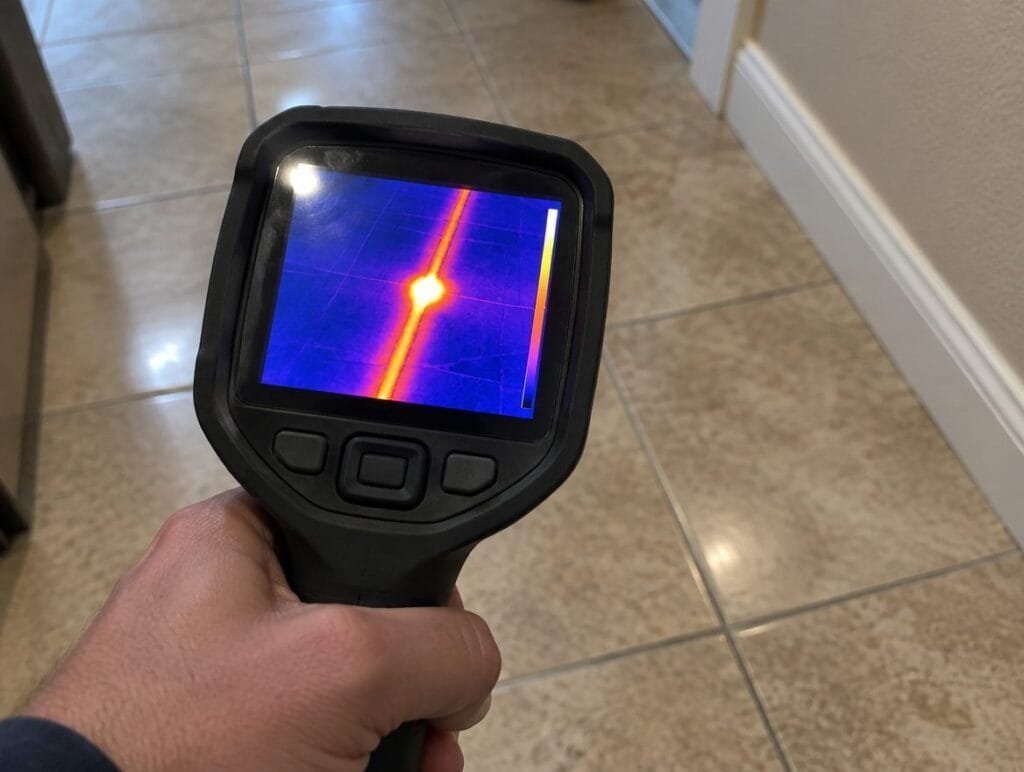
- A spot on a tile or concrete floor feels warm and stays warm.
- You hear running water when nothing in the house is on.
- Carpet is damp, baseboards swell, or a room smells musty with no visible source.
- Water pressure drops at several fixtures at once.
Why Phoenix Valley homes leak where you cannot see it
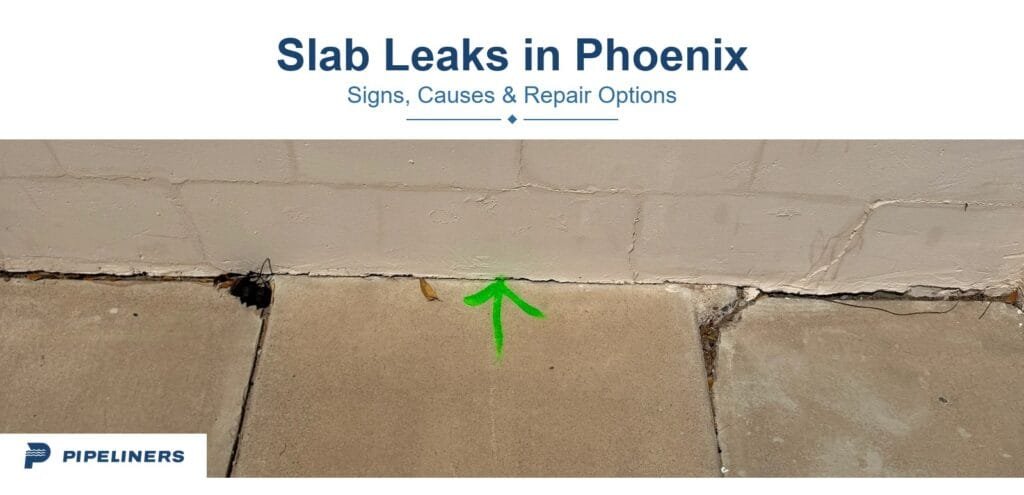
Most homes in the Valley are built slab-on-grade, with no basement or crawl space, so the water supply lines often run under or through the concrete floor. When one of those lines fails, the water soaks into the soil under the house instead of dripping through a ceiling where you would notice it.
Many of those lines are copper. Water chemistry, flow and age can wear pinholes through copper from the inside, and hot water lines, which heat and expand every day, are a common place for a leak to start. That is why a leak here so often shows up as a warm floor or a bill that will not come down, not a puddle. Our guide to slab leaks in Phoenix covers the causes in more detail.
How we locate a leak without breaking concrete
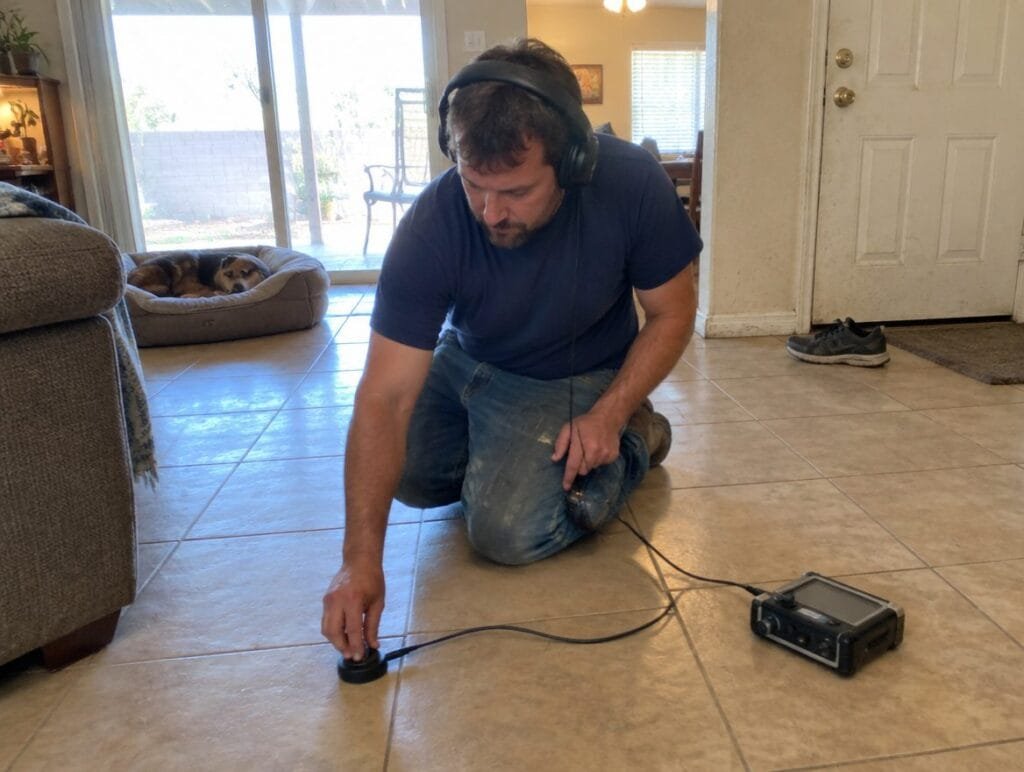
Finding the leak is most of the job. We start by confirming there is a leak and which line is losing water. A pressure test isolates the hot and cold sides so we know which system to chase. Then we narrow it to a point with acoustic listening equipment, which picks up the sound of pressurized water escaping below the slab, and thermal imaging, which traces a leaking hot water line by the heat it gives off through the floor.
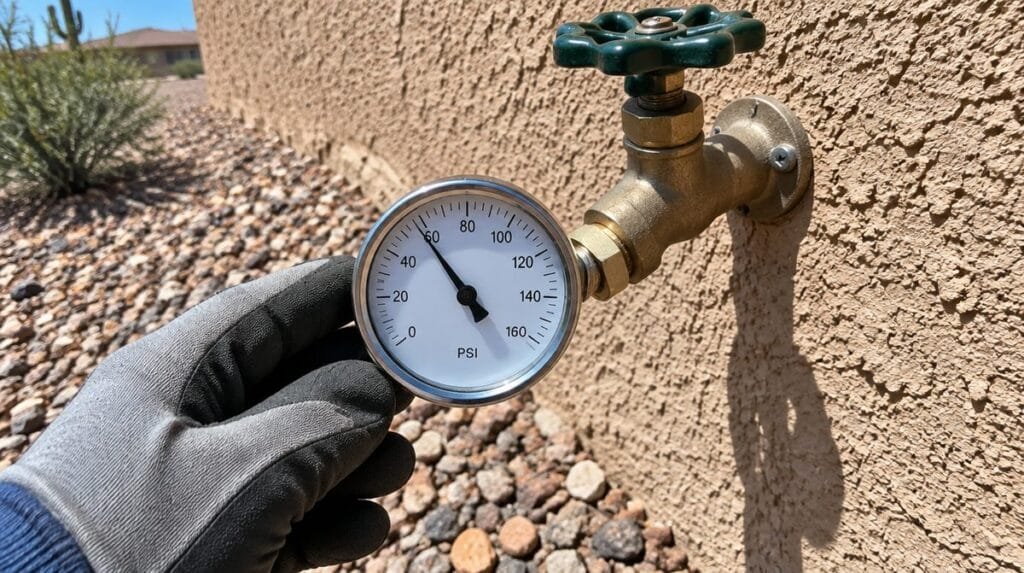
- Confirm the leak and isolate the line before anything is opened
- Narrow it to a marked spot, not a general area
- Explain every repair option, including the ones that do not open the floor
The difference between a marked spot and a rough area is the difference between a small opening and a torn-up room. A contractor who proposes a repair before the leak is located is guessing where to break your floor.
Check your meter before you call
You can confirm a leak yourself in about fifteen minutes, before anyone comes out:
- Turn off every faucet, appliance and irrigation zone in the house.
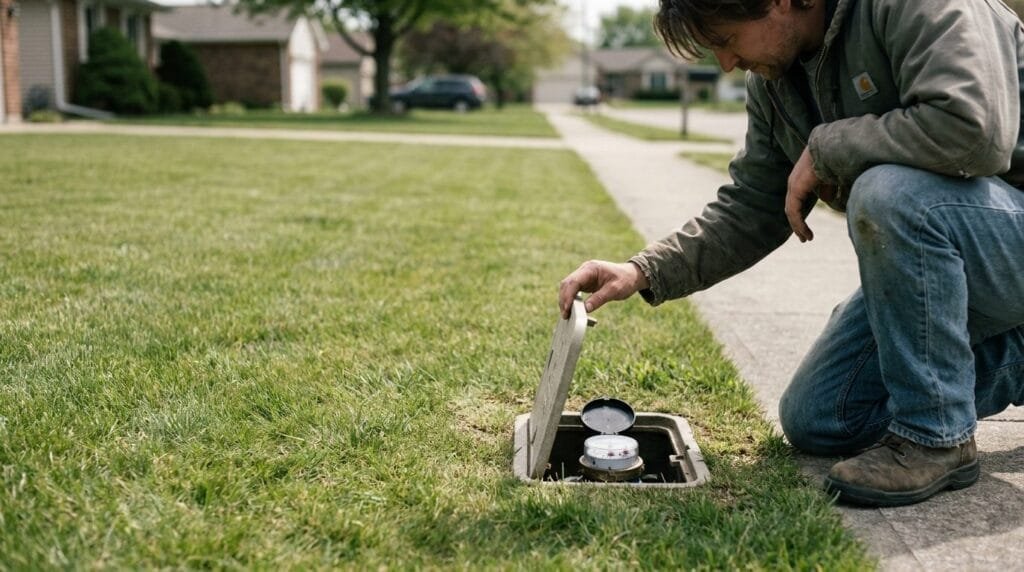
- Find your water meter, usually in a box near the street, and lift the lid.
- Watch the small leak indicator (a triangle or small dial) for a few minutes. Or write down the reading, use no water for an hour, and read it again.
- If the meter moves with everything off, water is leaving the system somewhere. Call us with what you saw.
What happens after the leak is found
Four ways to fix it, and they suit different situations. We walk you through which one fits your home before any work starts.
Spot repair
Open the slab at the marked spot and replace the failed section. Best for a single leak in a system that is otherwise sound.
Reroute
Abandon the line under the slab and run new pipe through the walls or attic. Good when one or two lines keep failing and there is a clear route.
Epoxy restoration
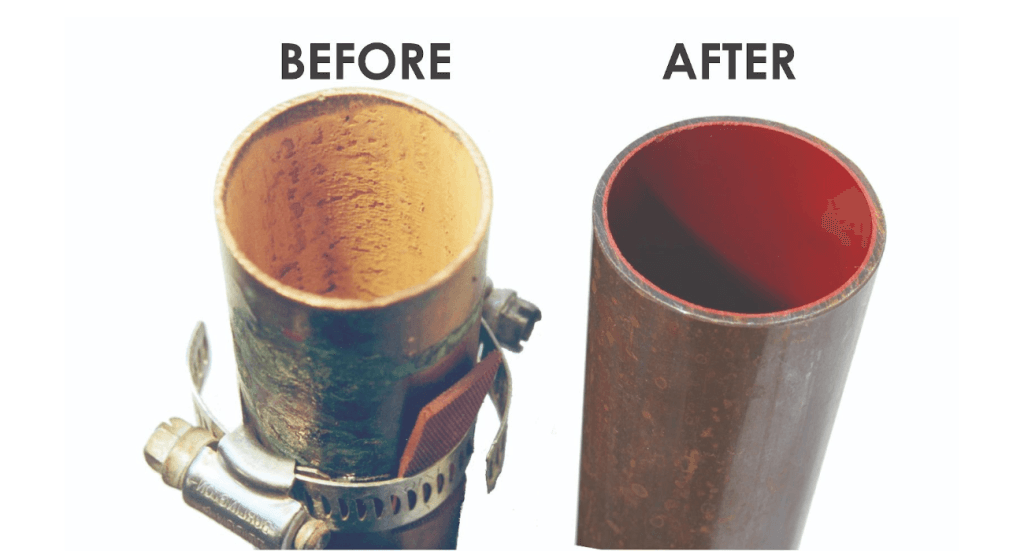
Clean and coat the inside of your existing copper lines with ePIPE restoration, with no floor or walls opened. Best for pinhole leaks in pipe that is still structurally sound.
Whole house repipe
Replace all of the supply lines. The right call when the system is failing in several places at once. See our whole house repipe guide.
When restoring the pipe is not the answer
Coating a pipe from the inside rebuilds its wall. It does not replace a pipe that has lost its structure. A line that is crushed, split or badly damaged has nothing sound to coat, and it needs to be replaced. A system that is leaking in many places at once may be past the point where restoration makes sense, and a repipe can be the better value. We will tell you which case you are in once the leak is found.
Is it a drain or sewer leak instead?
Not every leak is a water line. If you smell sewage, drains are slow, or the wet spot shows up after flushing or running the washer, the problem is likely on the drain side. Drain lines are not under pressure, so they are found a different way, with a camera run through the line. That is our trenchless drain repair work: lining the damaged drain from the inside through an existing cleanout.
See a Pipeliners job in Mesa
How our crew worked through a repair for a business in Mesa, start to finish.
Leak detection questions
Can a slab leak be found without breaking the floor?
Yes. Locating is done from above the slab by listening for escaping water and tracing heat from hot water lines. The floor is only opened, if at all, at the spot where the leak was found.
Is a slab leak an emergency?
Treat it as urgent. A slab leak keeps running into the soil under your foundation until it is fixed. If water is coming up through the floor or you cannot shut it off, call right away. We offer 24/7 emergency service.
Can I find a leak myself?
You can confirm one. The meter test above tells you whether water is leaving the system. Pinpointing where it is under a slab takes listening and imaging equipment.
Will homeowners insurance cover a slab leak?
It depends on your policy. Some policies pay for the water damage or for access to the pipe, but not for the pipe itself. Check with your insurer before work starts.
What is the fix once the leak is found?
A spot repair, a reroute, epoxy restoration of the existing pipe, or a repipe. For pinhole leaks in copper that is still sound, restoring the pipe from the inside avoids opening the floor at all.
We find and fix hidden leaks across the Valley, including Phoenix, Mesa, Scottsdale, Chandler, Gilbert, Tempe, Glendale and Peoria.
Think you have a hidden leak?
Call and we will confirm it, find it, and walk you through the options before anything is opened.