Quick answer: Plumbing maintenance for homeowners comes down to a short routine: check under sinks and around fixtures for leaks, watch your water pressure and water bill, keep grease and wipes out of drains, know what your pipes are made of, and get an inspection when a problem repeats. When maintenance finds a problem that has gone too far, the fix depends on the pipe: cleaning, a spot repair, restoring it from the inside, or replacing it.
Key takeaways
- Most plumbing maintenance is noticing: leaks, pressure changes, slow drains and water bill jumps are early warnings.
- Know your pipe materials. Galvanized steel supply lines and cast iron drains corrode from the inside as they age.
- Phoenix water is hard, and the minerals it carries build up inside pipes and fixtures over time.
- Chemical drain cleaners do not fix repeat clogs and are hard on old metal pipe.
- When a problem repeats, an inspection tells you whether to clean, repair, restore or replace.
What does regular plumbing maintenance include?
A simple plumbing maintenance routine takes a few minutes a month and catches most problems while they are still small:
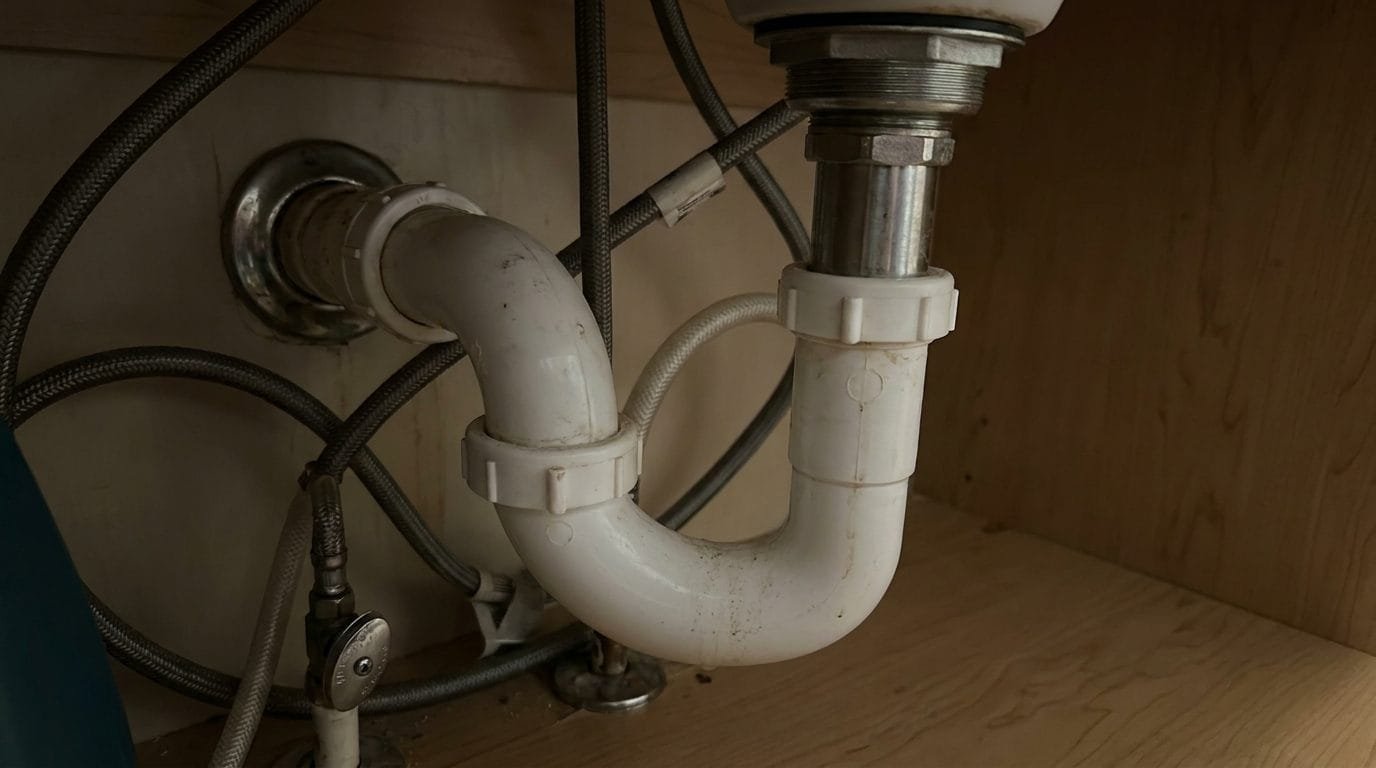
- Look under every sink. Check for drips, water stains, warped cabinet floors or white and green crust on fittings.
- Watch your water pressure. A gradual drop at several fixtures points to buildup or corrosion in the supply lines, not a single faucet.
- Read your water bill. A jump you cannot explain is one of the first signs of a hidden leak.
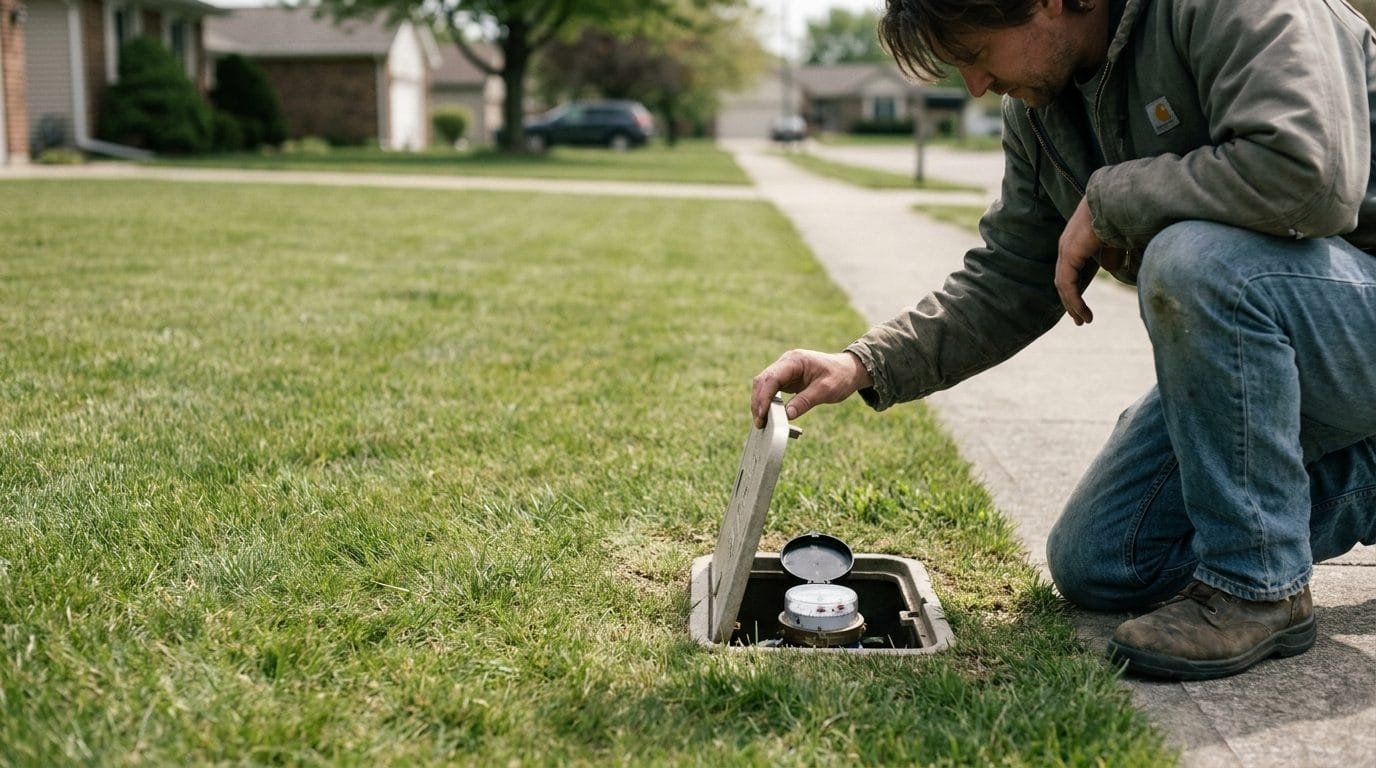
- Do a meter check. Turn off every fixture and look at the water meter. If it keeps moving, water is going somewhere it should not.
- Protect your drains. Keep grease, wipes and food scraps out, and use hair catchers in showers.
- Know where your main shutoff is. In a burst or major leak, shutting the water off fast limits the damage.
Why does pipe material matter for plumbing maintenance?
What your pipes are made of decides how they wear out and what to watch for. Many older Valley homes still have materials that are known to fail from the inside:
| Pipe material | Where it is used | How it wears | What to watch for |
|---|---|---|---|
| Galvanized steel | Water supply in older homes | Rusts and narrows from the inside | Low pressure, rusty or brown water |
| Copper | Water supply | Can corrode and develop pinhole leaks | Repeat small leaks, green crust on fittings |
| Polybutylene | Water supply | Known for failing fittings and pipe | Any leak; usually replaced, not restored |
| Cast iron | Drain and sewer lines in older homes | Rusts and forms rough scale inside | Repeat clogs, gurgling, sewer odors |
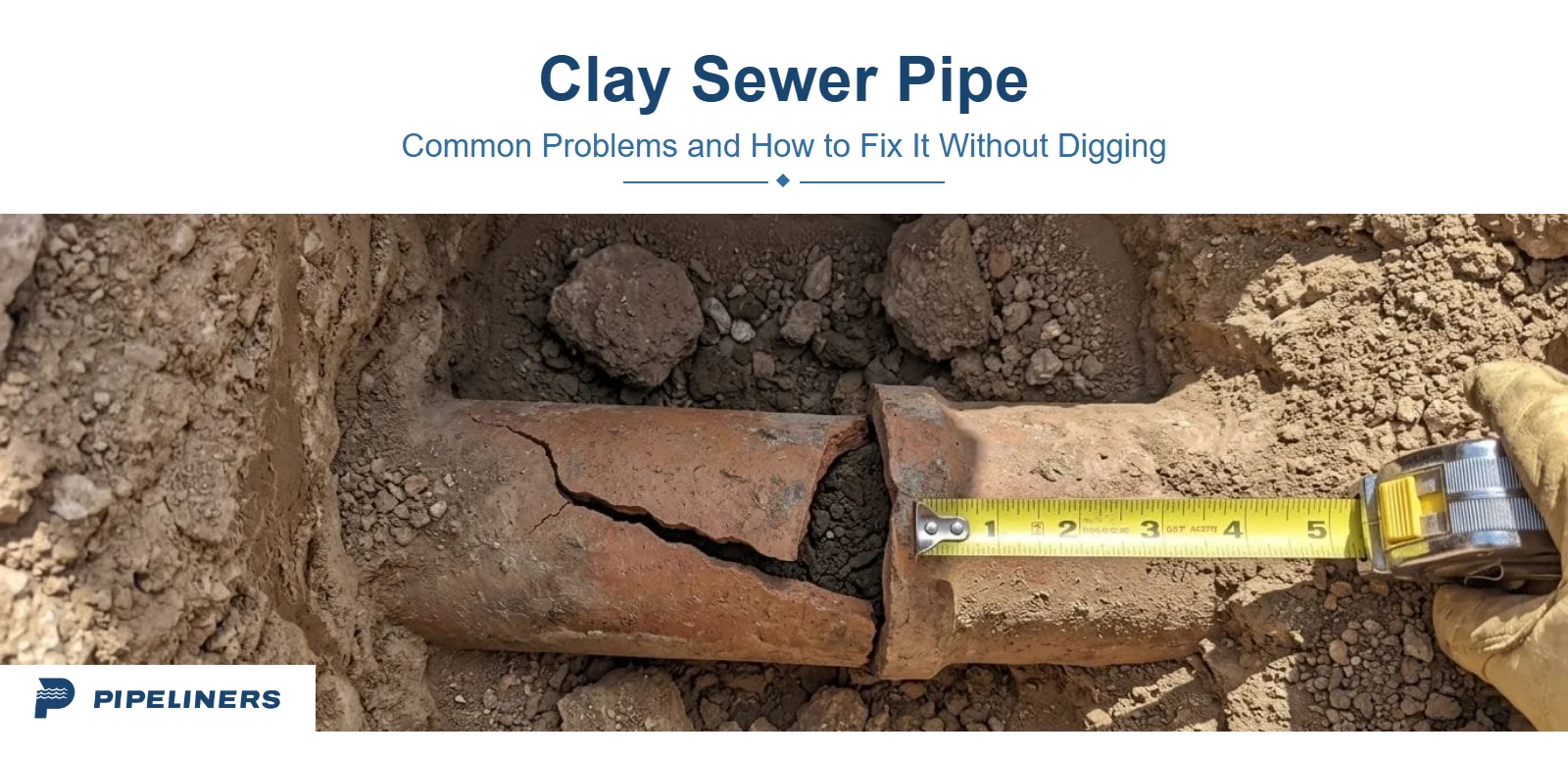
| Clay | Older sewer lines | Joints crack and let roots in | Backups, slow drains, root intrusion |
See how long cast iron pipes last and our guide to clay sewer pipe for what to expect from older drain lines.
What are the most common plumbing problems, and what causes them?
| Problem | Common cause | Maintenance step | When it needs a repair |
|---|---|---|---|
| Leaks | Worn fittings, corrosion, pinholes | Check under sinks and around fixtures | Leaks that repeat or cannot be found |
| Low water pressure | Mineral buildup, corroded supply pipe | Clean aerators; note which fixtures are affected | Pressure is low throughout the home |
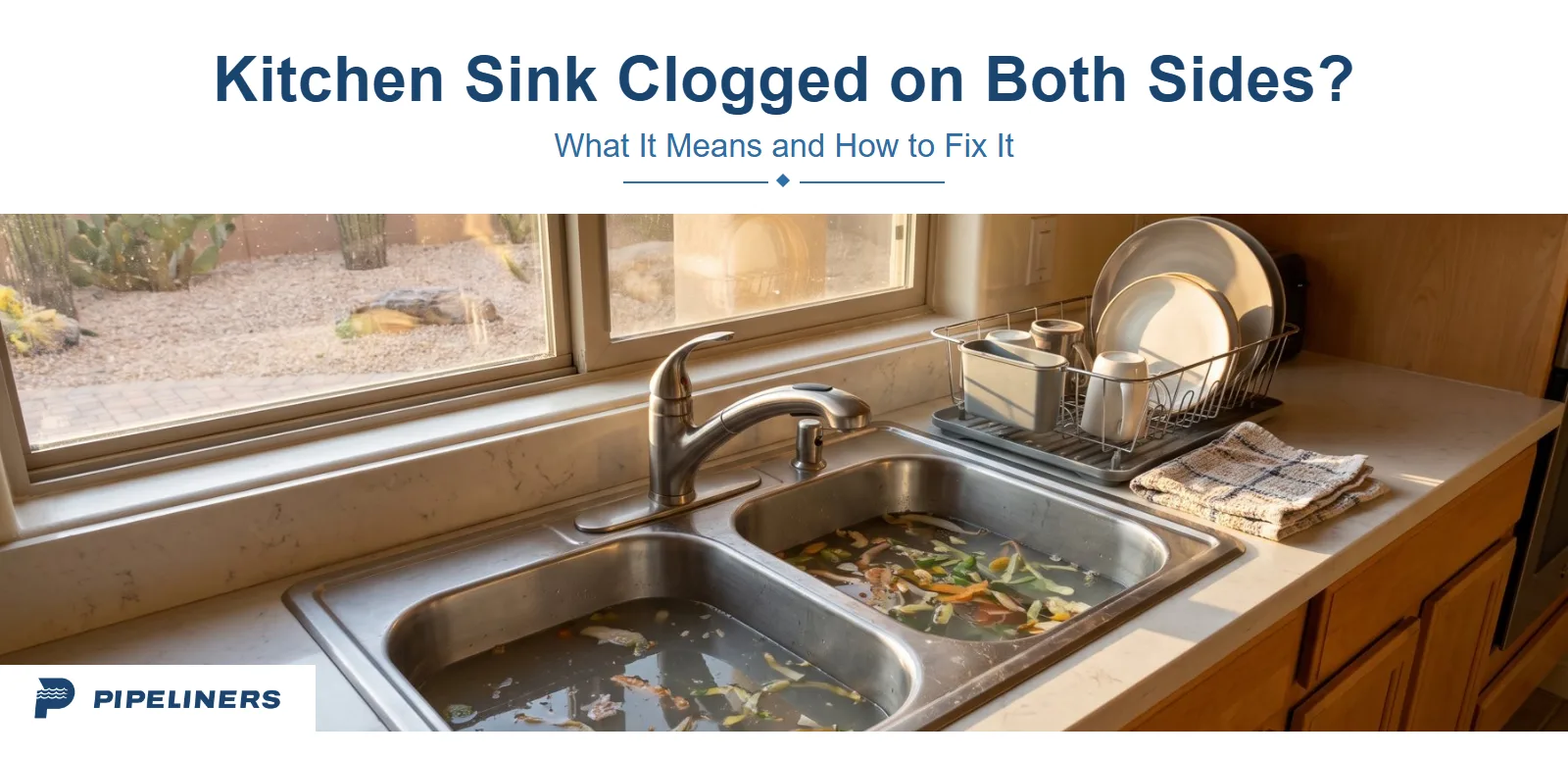
| Clogs and slow drains | Grease, wipes, rust scale, roots | Keep grease and wipes out of drains | The same drain clogs again within weeks |
| Rusty or discolored water | Rust inside galvanized or iron pipe | Note whether it is hot water only or all taps | It keeps coming back at every tap |
| Noisy pipes and gurgling | Loose pipe, pressure issues, restricted drains | Note when it happens | Gurgling with slow drains at several fixtures |
Hard water adds to several of these. The City of Phoenix water FAQ explains that Phoenix tap water is hard because of calcium and magnesium picked up from the soils the source water passes through. The city treats that as an appearance issue, not a safety one, but the same minerals collect inside pipes, aerators and water heaters and narrow them over time.
Which plumbing maintenance jobs can you do yourself?
Plenty of plumbing maintenance is safe to do on your own: cleaning faucet aerators, replacing a toilet flapper, clearing a single clog with a plunger, and the checks above. Our guide on whether to do pipe repair yourself draws the line in more detail.
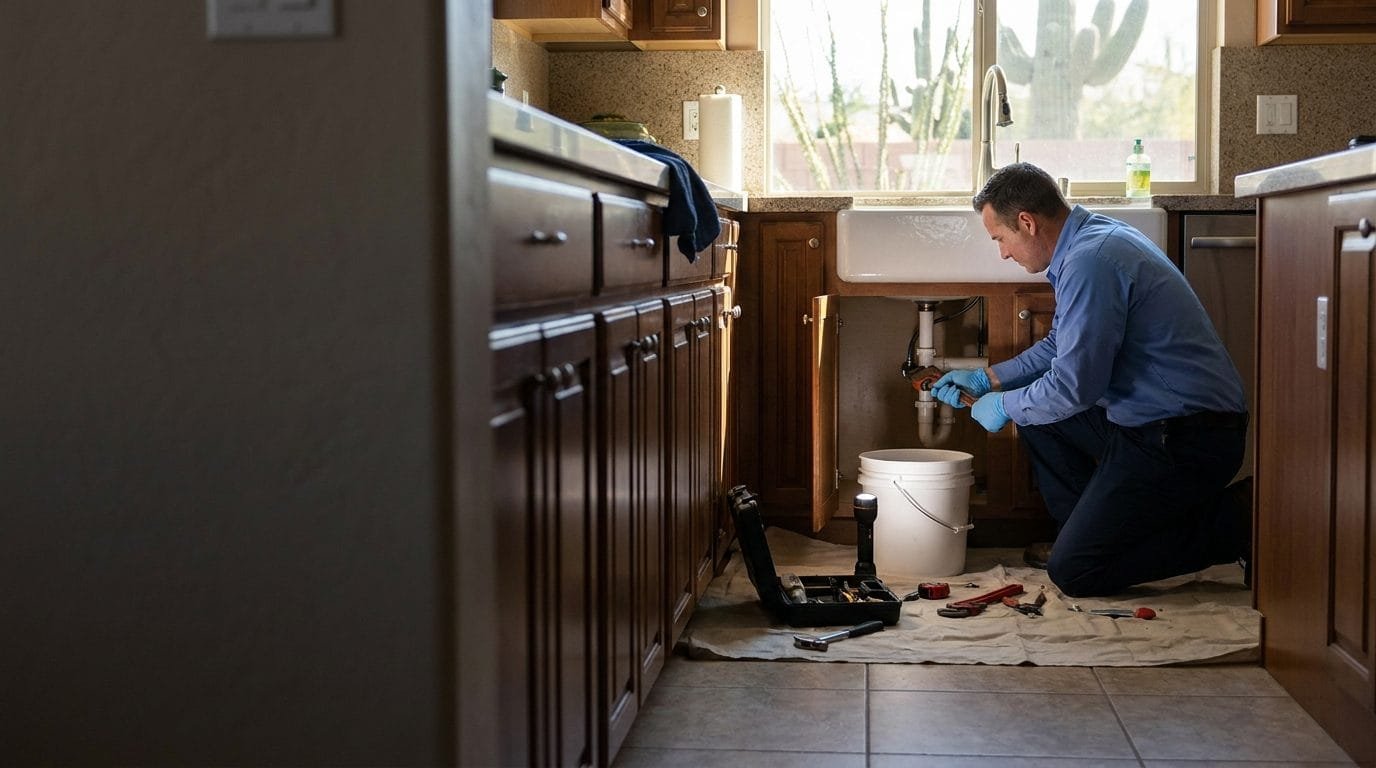
Skip chemical drain cleaners. They can loosen a soft clog, but they do not remove the rust scale that causes repeat clogs in cast iron, and harsh chemicals are hard on old metal pipe. Call a professional when a clog keeps coming back, when problems show up at more than one fixture, or when you suspect a hidden leak. Pipeliners locates hidden leaks with pressure testing, acoustic listening and thermal imaging before anything is opened.
What are your repair options when maintenance finds a problem?
When maintenance turns up a problem that has gone past a simple fix, there are four main options. The right one depends on what an inspection shows inside the pipe:
| Option | Best for | Not a fit when |
|---|---|---|
| Cleaning (descaling or hydro jetting) | Buildup, grease and scale in a sound pipe | The pipe wall is cracked or broken |
| Spot repair | Damage in one joint or one short section | Damage runs along the whole line |
| Restoring the pipe from the inside | Corrosion, pinhole leaks, cracks and root entry in pipes that still hold their shape | The pipe has collapsed or has a deep sag |
| Replacement | Collapsed pipe, missing sections, polybutylene, or walls already open for a remodel | The pipe is sound enough to restore |
For drain and sewer lines, Pipeliners restores the pipe with an epoxy-saturated liner cured with UV LED light, forming a new pipe inside the old one with a 50-year life expectancy. Learn about trenchless drain pipe repair. For water supply lines, ePIPE restoration cleans the pipes and coats the inside with an epoxy that is NSF/ANSI 61 certified for drinking water. Our comparison of repiping vs relining helps with the restore-or-replace decision.
When should a homeowner replace pipes instead of restoring them?
Restoring pipes avoids opening walls, floors and yards, but it is not always the right call. Replacing is usually better when the pipe has collapsed, when a drain line has a deep sag (a liner follows the old pipe’s shape, so the sag stays), when the supply lines are polybutylene, or when you are opening the walls for a remodel anyway. In that last case a whole house repipe adds little extra disruption. Many homes end up with a mix: one failed section replaced and the rest restored.
How should you prepare for a plumbing emergency?
- Know where the main water shutoff is, and make sure it turns.
- Keep a plunger and a bucket where you can reach them.
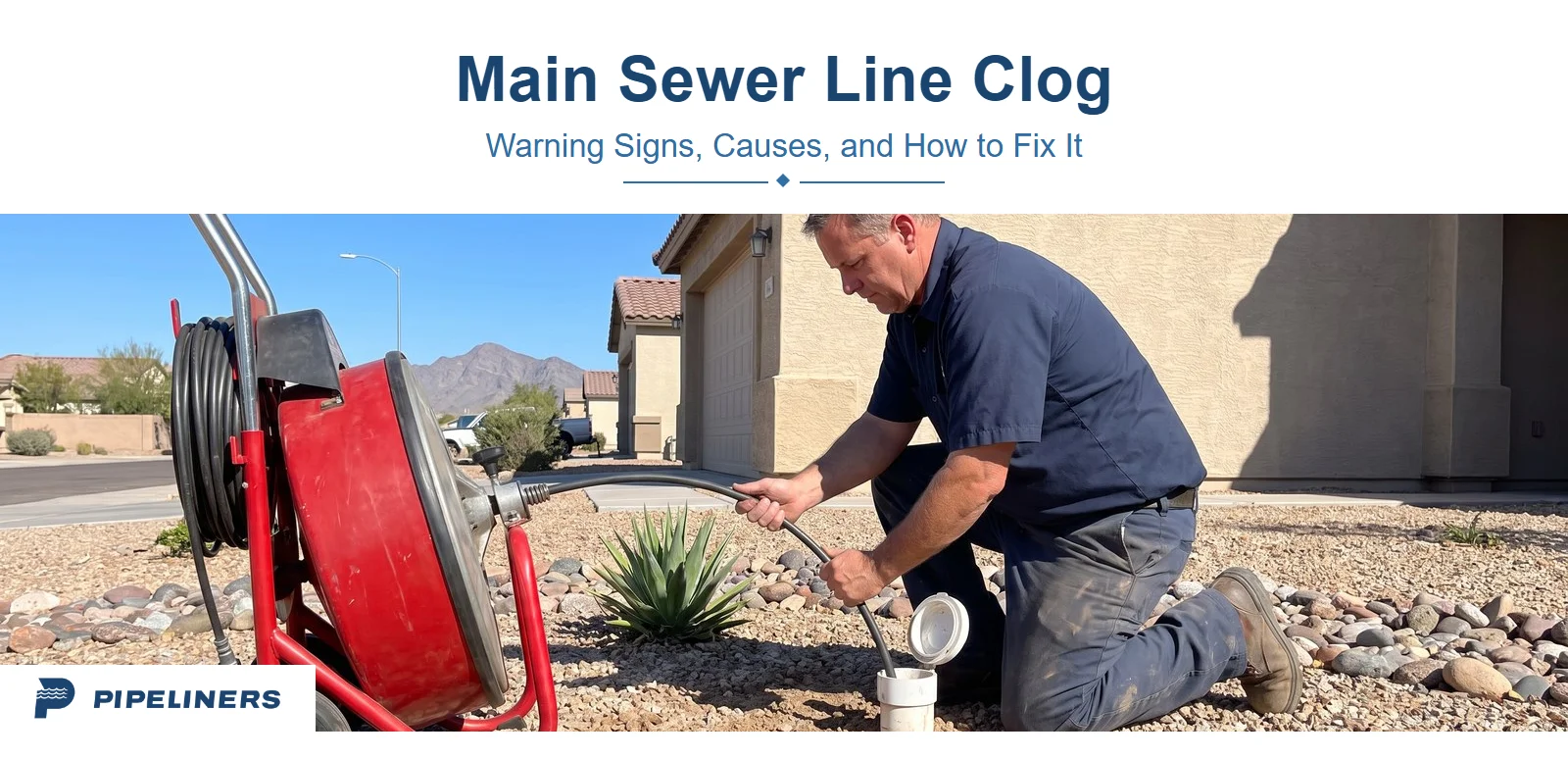
- If sewage backs up, stop running water in the house until the line is cleared. Our guide to a main sewer line clog explains the warning signs.
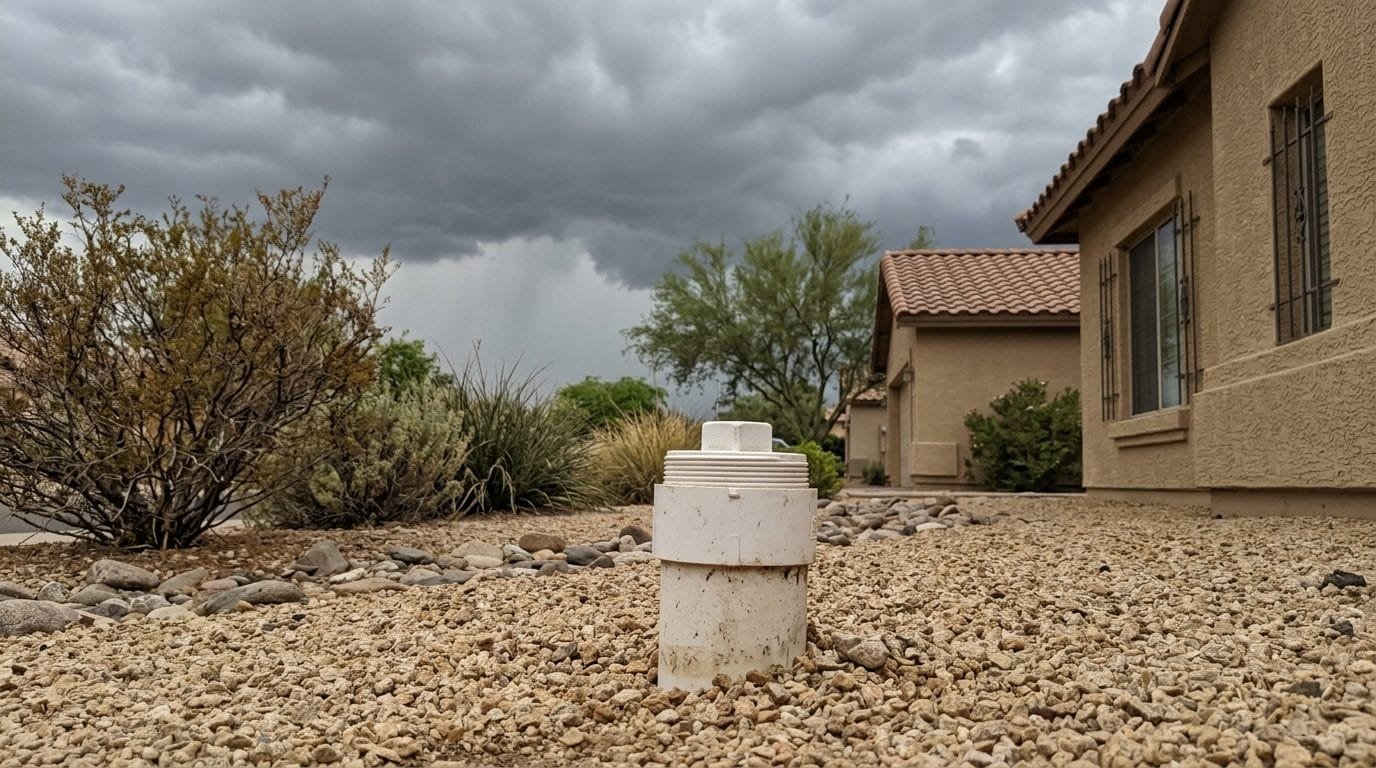
- During monsoon season, heavy rain can overwhelm older sewer lines. See sewer line maintenance for seasonal steps.
Plumbing maintenance FAQ
How often should a home have plumbing maintenance?
Simple checks like looking under sinks and watching your water bill can be done every month. A professional inspection makes sense when problems repeat, when the home has older galvanized or cast iron pipes, or before buying or remodeling an older home.
Are chemical drain cleaners bad for pipes?
They are hard on old metal pipe and do not remove the hard rust scale that causes repeat clogs in cast iron. They can also damage some pipe liners. A plunger, a drain snake for a simple clog, or professional hydro jetting are safer choices.
Does hard water damage plumbing in Phoenix?
Phoenix tap water is hard, which the city treats as an appearance issue rather than a safety one. The minerals do collect inside pipes, fixtures and water heaters over time, which can narrow pipes and reduce water pressure.
Is plumbing maintenance worth it for older homes?
Yes. Older homes are more likely to have galvanized supply lines or cast iron drains that corrode from the inside. Catching that wear early leaves more repair options open, including restoring the pipes instead of replacing them.
Key points to remember
- Good plumbing maintenance is mostly noticing: leaks, pressure, drains and your water bill.
- Know your pipe materials, because galvanized and cast iron wear from the inside.
- When a problem repeats, an inspection decides whether to clean, repair, restore or replace.
If maintenance has turned up a problem that keeps coming back, contact Pipeliners to have your pipes inspected. We will show you what we find and explain the options for your home. Crews are available 24/7 for problems that cannot wait. Call 480-535-6503.