
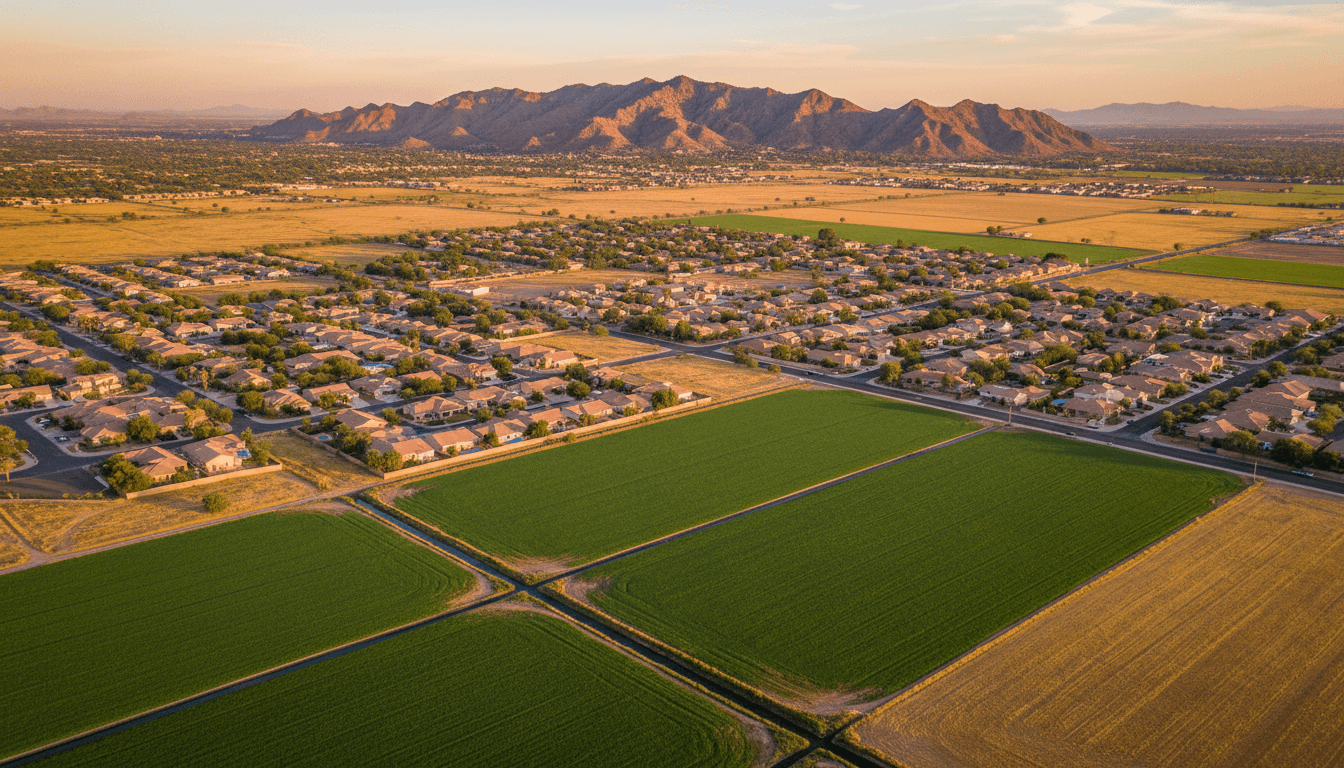
Looking for a Pipe Repair Company Serving Laveen Arizona?
Pipe Repair in Laveen With No Trench Across Your Yard. Call Us Today!
Laveen was farmland until master-planned housing filled it in through the 2000s, so the pipe under most of it is young, and young pipe still fails here. The ground carries clay, which takes on water and gives it up again through the year, and a buried lateral is pulled at its joints every time it does. That shows up as a drain backing up in the same place. A camera inspection finds it, and lining seals those joints without the yard being opened.
No Demolition Solution
No trenching across your Laveen yard, driveway, or slab. We restore pipes in place, so your landscaping and hardscape stay untouched.
Up To 30% Cost Savings
Laveen homeowners typically save up to 30% versus dig-and-replace, with no costly concrete, sod, or hardscape restoration afterward.
Eco-friendly Repairs
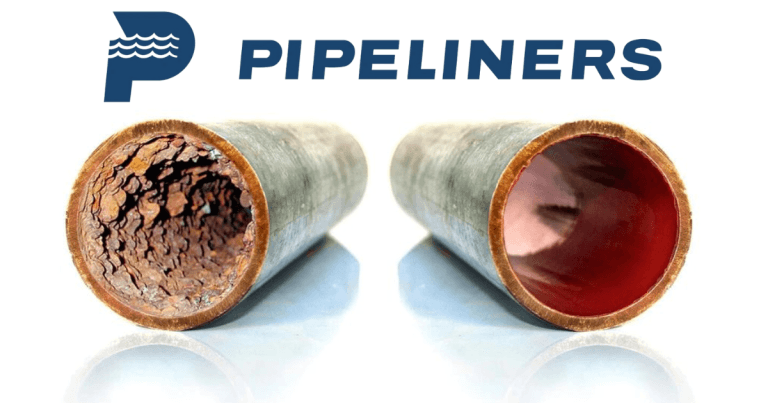
The clay, cast iron, or copper already under the house becomes the host for the new liner and stays put. Nothing is dug out, and no replacement pipe has to be bought to go back in.
Minimal Interruption
Access is through one or two small openings instead of a trench, and on most jobs the drains are back in normal use the same day.
Serving Laveen, AZ
Pipe Lining

Pipe lining gives Laveen property owners a trenchless, no-dig way to rebuild cracked, leaking, or root-invaded sewer lines without tearing open a yard, driveway, or slab. Laveen spent most of its history as farmland on the southwest edge of Phoenix and then filled in with master-planned housing through the 2000s, so what is under the ground here is either old enough to have been laid for a farmhouse or new enough that people assume it cannot have failed yet. Both turn out to need attention, for different reasons. We insert an epoxy-saturated liner into the existing pipe and cure it in place with UV LED technology, forming a seamless new pipe inside the old one, without jackhammering your yard.
Pipe Lining Advantages

Trenchless repair built for Laveen
Whether you own an older Laveen property or a newer home in one of the master-planned communities, digging up a sewer line means tearing out landscaping, driveways, and irrigation. Pipe lining rehabilitates the pipe from the inside through one or two small access points. The liner cures as a single length with no joints in it, and joints are the part that goes first, whichever decade the line was laid in.
What a sewer line repair here involves
The order of the work is the same on a farm-era lateral as on a twenty-year-old PVC run, and knowing that order makes a quote easier to read. The line is cleared first so a camera can pass, then the whole run from the house out to the connection is surveyed and recorded, with the position and depth of anything that matters marked from the surface. You see that footage before a repair is chosen. If the pipe holds its shape and its fall, one or two access points are opened, the liner is drawn through and cured in place, and most Laveen residential laterals are finished within the day. If the survey instead shows a length that has dropped out of fall, lining will seal it but will not lift it, and that section needs re-laying. Which of the two you have is decided by what the camera finds, not by when the house was built.
Hydro jetting in Laveen
Jetting is the third of the services we run, and it is worth separating from lining because the two answer different problems. Where a line is structurally sound and simply carrying years of grease and scale, high-pressure water cuts that back to the pipe wall along the whole run and the drain returns to its original bore. That is the entire repair, and there is nothing further to buy. Where the camera afterwards shows an offset joint, a crack or a belly underneath the build-up, the jetting was preparation rather than the fix, and the liner is what deals with the cause. Cabling sits between the two and does neither properly: it opens a channel through the obstruction and leaves the remainder on the wall, which is why a cabled line so often backs up again inside the year.
ePipe Water Line Solutions
Stop slab leaks and pinhole leaks in your Laveen copper lines. Hard water works on copper from the inside and thins it in patches rather than evenly, so the system does not wear out so much as spring one hole in the weakest place. On a slab house that hole is usually under the floor, and the first sign of it is a warm patch or a bill that has climbed for no reason anyone can name. Cutting the slab reaches that one fault and leaves the rest of the run in the condition that produced it. The ePIPE solution cleans and coats the copper as one system in place.
The patented ePIPE process cleans the inside of your existing water piping, then applies a safe, non-toxic epoxy barrier coating that is NSF/ANSI 61 certified for drinking water. The coating seals the pipe and makes it highly resistant to the corrosion and scale that Laveen’s hard water causes, essentially creating a new pipe inside your existing one, with no need to open walls, floors, or ceilings. That means no drywall demolition in your Laveen home. Our restoration crews can also perform fast emergency repairs, getting your water back on quickly.
When a repipe is the better answer
Coating and repiping are not competing products so much as two outcomes of the same assessment. ePIPE renews the copper already in the walls and needs enough sound material left to build a barrier against. Where the run has thinned past that point, or cannot be properly cleaned and dried, a repipe is the honest recommendation, with the wall openings that go along with it. Laveen’s newer housing usually still has copper in coatable condition and the older parcels are less predictable, but neither is a rule. That is settled by looking inside the pipe rather than by the age of the house.
Frequently Asked Questions About Trenchless Pipe Repair in Laveen, AZ
Which Laveen neighborhoods and pipe types do you work on most?
We work across Laveen, from older properties on the former farmland parcels to the master-planned communities built through the 2000s. Aging sewer laterals and corroded copper water lines are the most common problems we solve.
Laveen has clay soil. Does that affect my pipes?
It can. Clay of that kind takes on water and swells, then shrinks back as it dries, and a buried line has to sit through that cycle every year. What it does to pipe is pull at the joints and leave low spots along the run where waste stops moving and starts collecting. Lining seals the joints from the inside without the yard being opened. Worth saying that ground conditions change street by street in this part of the Valley, so a camera run tells you what is actually happening under your property rather than what is generally true of the area.
My house was built in the 2000s. Is it too new for pipe problems?
Not necessarily. Those homes are around 20 years old now, and PVC still develops offset joints, root intrusion and bellies, especially in Laveen’s shifting clay. A camera inspection shows which one you are dealing with.
Will you have to dig up my yard or break the slab?
In most cases, no. Our CIPP and ePIPE methods go in through small access points, so your landscaping, driveway and slab stay intact instead of being torn out and rebuilt afterward.
My drains keep backing up even after cleaning. Why?
A blockage that keeps returning usually means something structural is causing it: a crack, an offset joint or a belly in the line. Cleaning removes the symptom; lining fixes the pipe so it stops recurring.
How do you diagnose the problem before starting?
Every Laveen job starts with a sewer camera inspection. We locate the exact cracks, root intrusions or corroded sections and show you the footage, so you know what needs repair before any work starts.
Do I need a permit, and do you handle it?
Laveen is part of the City of Phoenix, so most sewer and water line repairs require a Phoenix plumbing permit. Pipeliners pulls the necessary permits and coordinates inspections as part of the job.
What warranties do you offer in Laveen?
Our drain liners are built to last 50+ years and carry a 20-year warranty. ePIPE water line restoration carries a 10-year warranty. Contact our Laveen team for the exact terms on your project.
