Quick answer: Your pipes are due for a plumbing inspection when you notice low water pressure, discolored water, repeat clogs, leaks or a water bill that jumps for no reason, or when the home is old enough that its pipe material is known to wear out. An inspection shows what is happening inside the pipes, so you can fix the real cause while the repair is still small.
Key takeaways
- A plumbing inspection checks both sides of the system: the water supply lines that bring clean water in, and the drain and sewer lines that carry waste out.
- Drain and sewer lines are checked with a camera. Supply lines are checked with pressure testing and, for hidden leaks, acoustic listening and thermal imaging.
- Warning signs are the most common reason to book one, but home age and pipe material matter just as much.
- The inspection is how you choose between cleaning, repairing, restoring or replacing a pipe, instead of guessing.
- Not every problem needs an inspection. A single slow sink that clears with a plunger usually does not.
When do you need a plumbing inspection?
Book a plumbing inspection when one of these applies to your home:
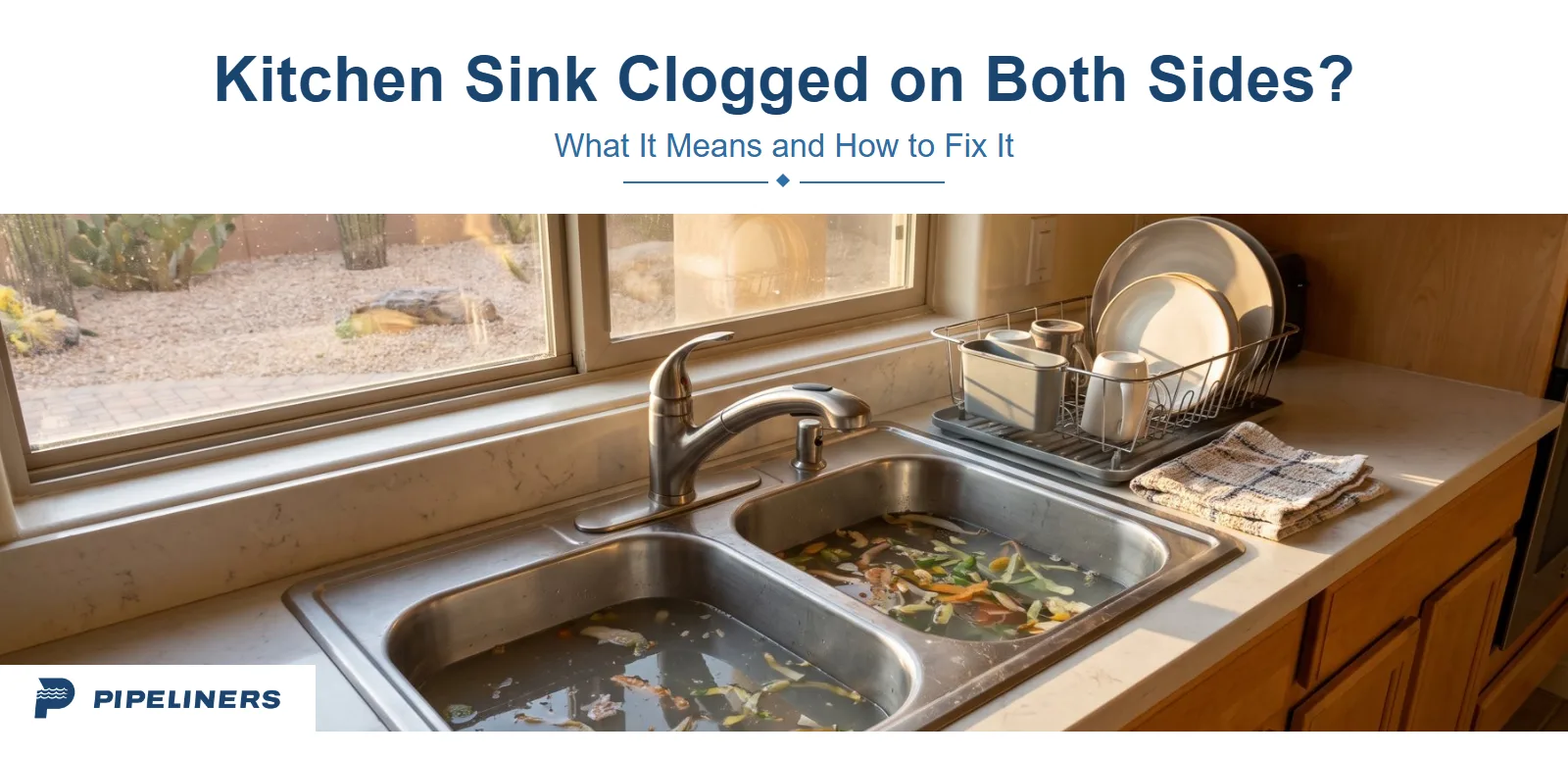
- You see warning signs. Low water pressure at several fixtures, brown or rusty water, drains that clog again within weeks, gurgling, sewer odors, damp spots or a sudden rise in your water bill.
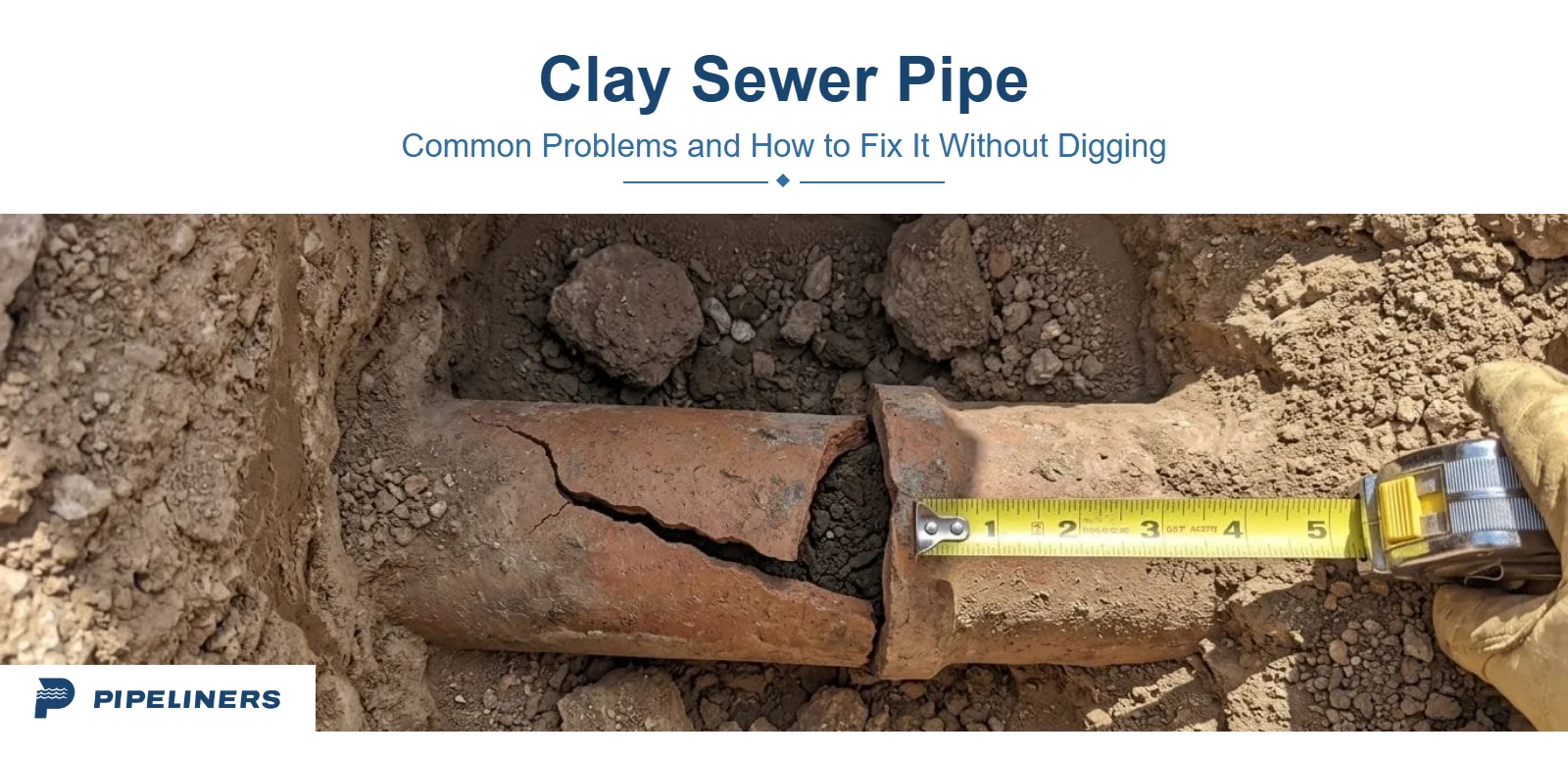
- The pipes are an age and material that wears out. Galvanized steel supply lines and cast iron drain lines both corrode from the inside. See how long cast iron pipes last for what to expect from an older line.
- You are buying or selling an older home. A camera look at the sewer line is not part of every standard home inspection, and a failing line is an expensive surprise after closing.
- You are about to remodel. If walls or floors are going to be opened anyway, it is the cheapest time to deal with old pipes behind them.
- You have had repeat leaks. One leak can be bad luck. Several pinhole leaks usually mean the pipe is corroding from the inside. Here is what causes pinhole leaks in copper pipes.
What does a plumbing inspection check?
A full plumbing inspection looks at the parts of the system you cannot see from the faucet. The table shows what gets checked and how.
| Part of the system | How it is checked | What the inspection looks for |
|---|---|---|
| Drain and sewer lines | Camera run through a cleanout | Cracks, root intrusion, rust scale, sags, separated joints |
| Water supply lines | Pressure testing and a visual check of exposed pipe | Corrosion, pressure loss, failing fittings, pipe material |
| Hidden leaks | Acoustic listening and thermal imaging | Leaks inside walls, under floors or under the slab |
| Fixtures and shutoffs | Visual check | Drips, slow drains, valves that do not close fully |
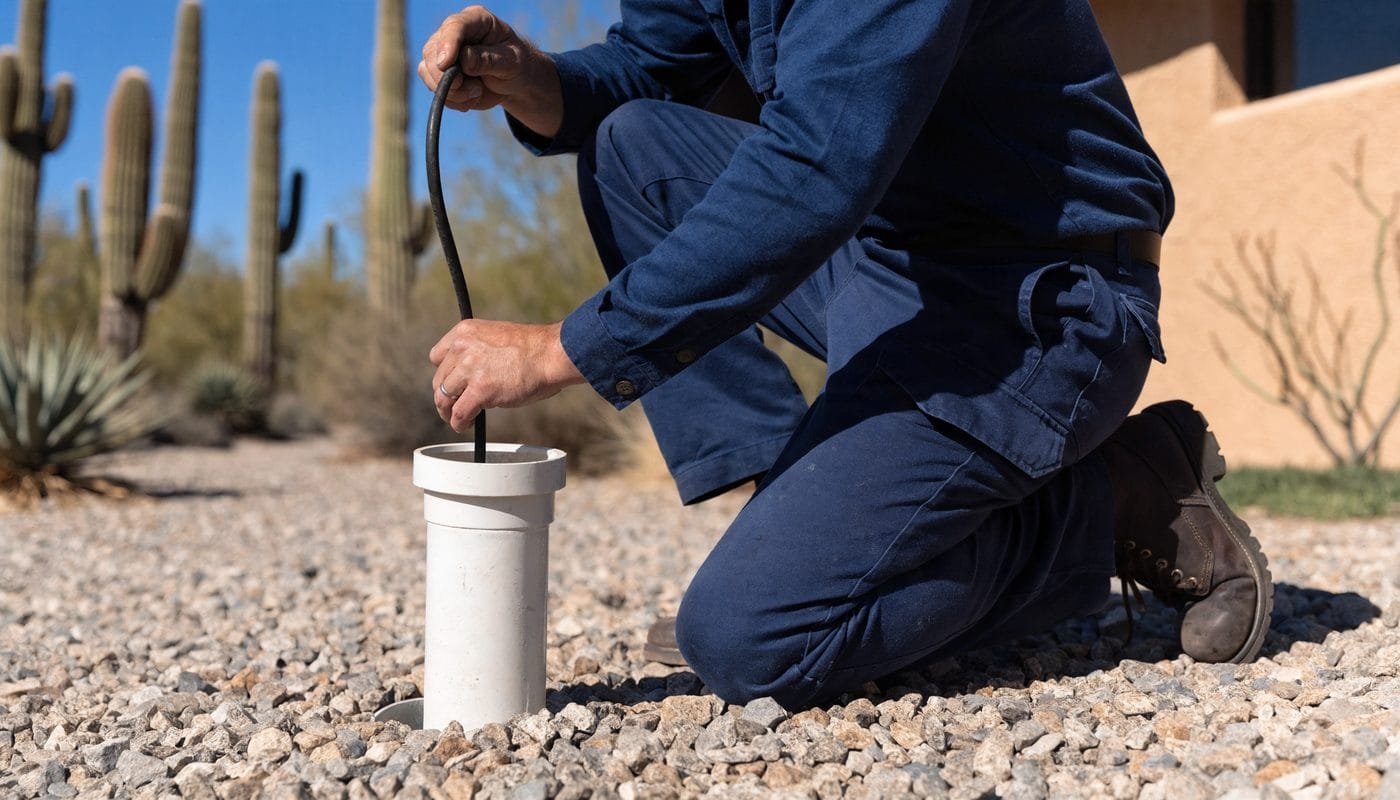
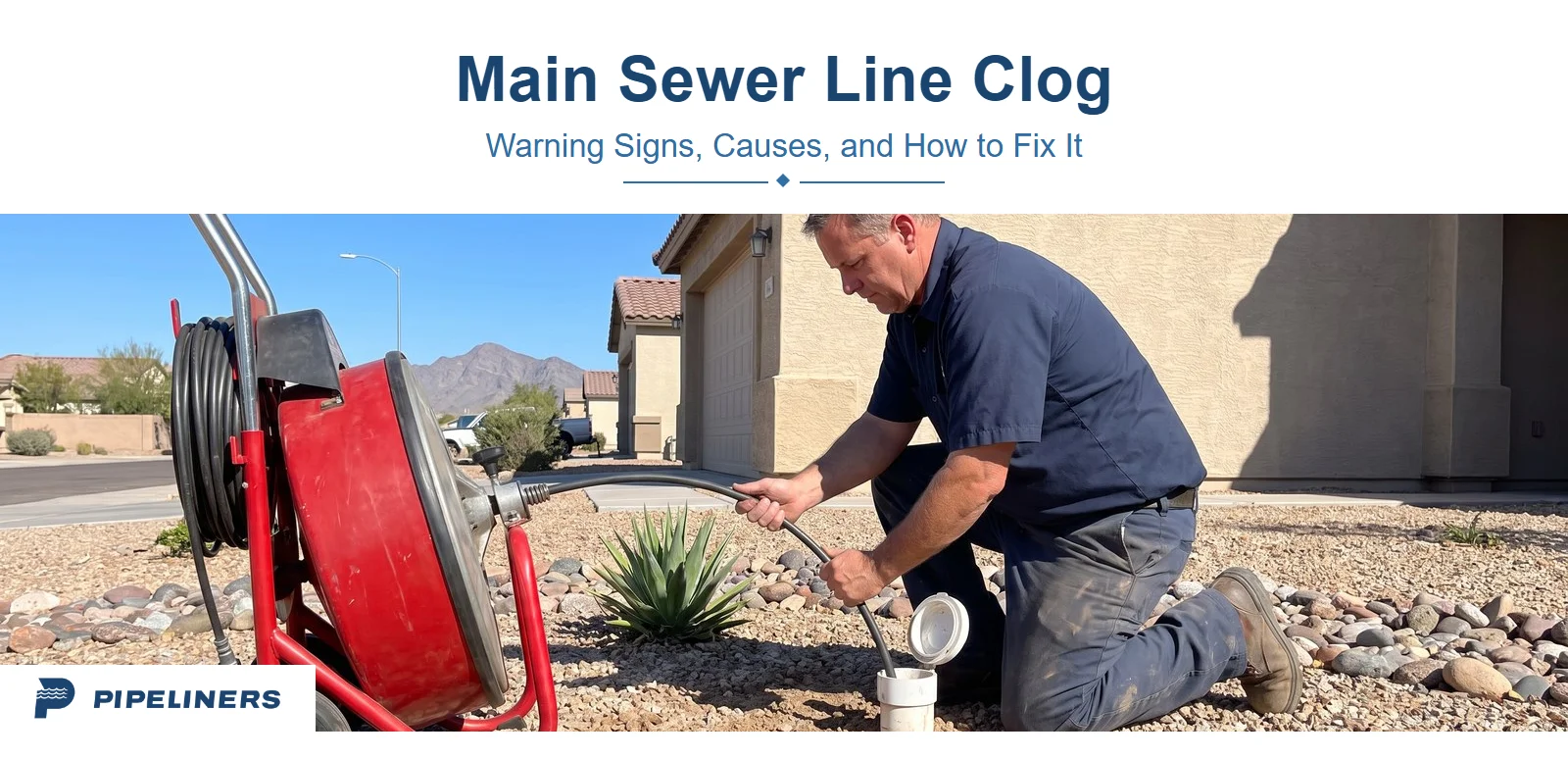
The camera is the part most homeowners have never seen. It goes into the drain line through a cleanout and shows the inside of the pipe on a screen, so you can see roots in a joint or rust scale narrowing the pipe instead of taking someone’s word for it. A sewer line leak is one of the problems it finds; our list of warning signs your sewer pipes may be leaking covers what to watch for between inspections.
What do common inspection findings mean?
Most findings fall into a few patterns, and each points to a different kind of fix:
- Rust scale or grease buildup in a drain. The pipe is narrowed but sound. Cleaning is usually the fix. See when pipe descaling is necessary and hydro jetting.
- Roots or cracks in a drain or sewer line. Cleaning alone buys time, because roots grow back through the same gaps. Sealing the pipe from the inside closes them. Our guide to root intrusion in pipes explains why.
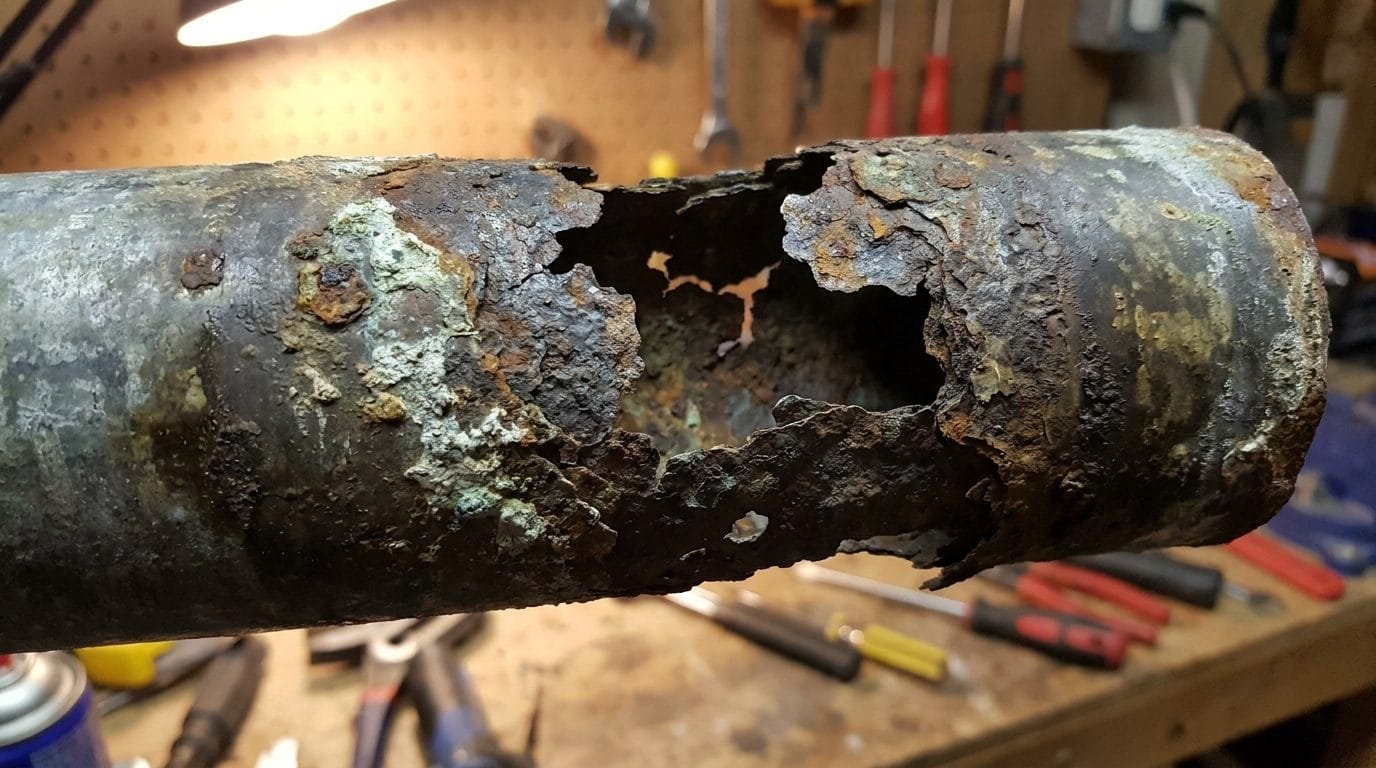
- Corrosion in galvanized or copper supply lines. Pressure drops and leaks keep coming until the corrosion is dealt with. The pipes can often be restored rather than replaced.
- A hidden leak. Once it is located, the repair goes straight to that spot. Learn about leak detection in Phoenix.
- A collapsed or badly sagging pipe. This section usually has to be dug up and replaced.
Should you repair, restore or replace after a plumbing inspection?
The inspection is what makes this decision possible. The right choice depends on what the camera and pressure tests show, not on a single symptom:
| What the inspection shows | Usually the best fit | Why |
|---|---|---|
| Buildup in a drain, pipe wall sound | Cleaning (descaling or hydro jetting) | Restores full flow without new pipe |
| Damage limited to one joint or short section | Spot repair | Cheaper than treating the whole line |
| Cracks, roots or scale along a drain or sewer line that still holds its shape | Restoring the drain from the inside | No trench; the new liner seals the whole run |
| Corroded or leaking water supply lines | ePIPE restoration | Seals pinholes and protects against new corrosion without opening walls |
| Collapsed pipe, deep sag or polybutylene supply pipe | Replacement | Restoration needs a pipe that still holds its shape |
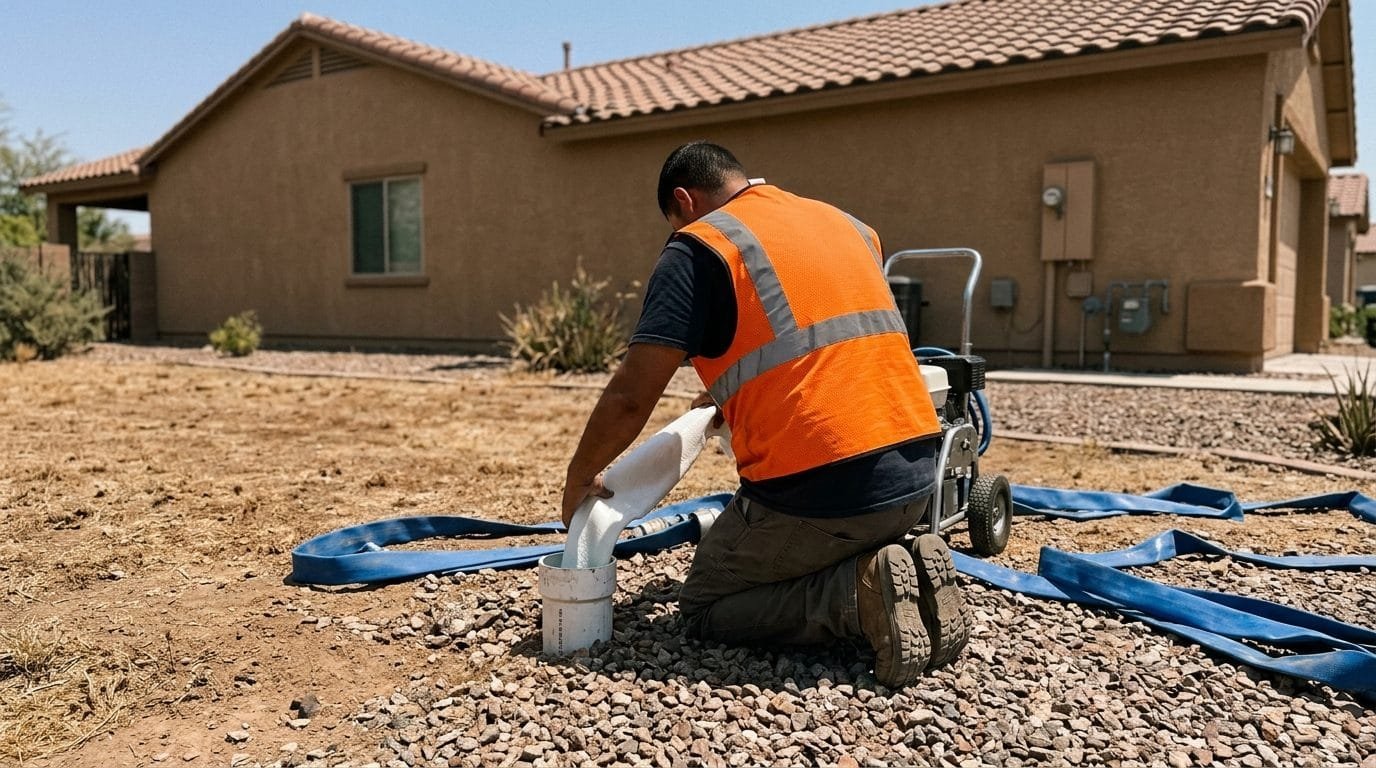
For drain and sewer lines, Pipeliners restores the pipe by pulling an epoxy-saturated liner into the old pipe and curing it with UV LED light, which forms a new pipe inside the old one with a 50-year life expectancy. See trenchless drain pipe repair. For water supply lines, ePIPE restoration dries and cleans the pipes, then coats the inside with an epoxy that is NSF/ANSI 61 certified for drinking water.
When is replacing the pipe the better choice?
Restoration is not always the answer, and a good inspection will say so. Replacement is usually the better choice when:
- The pipe has collapsed or has sections missing, so there is nothing for a liner to form around.
- A drain line has a deep sag that holds water and waste. A liner follows the shape of the old pipe, so it keeps the sag. See what a bellied sewer pipe is.
- The supply lines are polybutylene, which is one of the signs you need to repipe.
- You are gutting walls for a remodel anyway, so running new pipe adds little extra disruption. A whole house repipe may make more sense then.
Many homes end up with a mix: one failed section replaced, the rest of the line restored. Our comparison of repiping vs relining walks through that choice in more detail.
What happens during a plumbing inspection?
- Questions first. What you have noticed, when it started, how old the home is and what you know about the pipes.
- Supply side. Water pressure is tested and exposed pipe and fittings are checked for corrosion and leaks.
- Drain side. A camera goes into the drain or sewer line through a cleanout, and the footage is reviewed with you.
- Hidden leaks, if needed. Acoustic listening and thermal imaging narrow down a leak before anything is opened.
- Findings and options. You see what was found and hear which options fit, from cleaning to restoration to replacement.
To prepare, make sure the cleanout is reachable, clear the space under sinks, and write down when each problem shows up. A pattern such as “the kitchen drain backs up after laundry” helps pinpoint where the trouble sits.
When can you skip a plumbing inspection?
Not every plumbing problem needs one. A single slow drain that clears with a plunger or a hair catcher, a running toilet flapper or a dripping faucet washer are usually one-off fixes. Our guide on whether to do pipe repair yourself covers what is reasonable to handle on your own. The line to watch for is repetition: the same problem coming back, or showing up at more than one fixture, means the cause is in the pipes rather than the fixture.
Plumbing inspection FAQ
How often should I get a plumbing inspection?
There is no single schedule that fits every home. Book one when you notice warning signs, before you buy an older home, and before any remodel that opens walls or floors. Homes with galvanized steel supply lines or cast iron drains benefit from being checked sooner, because both materials corrode from the inside.
What is the difference between a plumbing inspection and a sewer camera inspection?
A sewer camera inspection looks only at the drain and sewer lines, by running a camera through a cleanout. A full plumbing inspection also checks the water supply side: pressure, visible pipe and fittings, and signs of hidden leaks. Many homes need both.
Can a plumbing inspection find leaks inside walls or under the slab?
Often, yes. Pipeliners traces hidden leaks with pressure testing, acoustic listening and thermal imaging before anything is opened, so the repair can go straight to the right spot.
What happens if the inspection finds a problem?
You get the findings and the options for your pipes. Depending on what is found, that can be cleaning, a spot repair, restoring the pipe from the inside, or replacing it. Nothing is repaired until you decide.
Key points to remember
- A plumbing inspection covers supply lines, drain lines and hidden leaks, not just one fixture.
- Book one for repeat or multi-fixture problems, older galvanized or cast iron pipes, a home purchase or a remodel.
- The findings decide the fix: cleaning, a spot repair, restoration from the inside, or replacement.
If your pipes are showing any of these signs, contact Pipeliners to schedule a plumbing inspection. We will show you what we find and explain which options fit your pipes. Crews are available 24/7 for problems that cannot wait. Call 480-535-6503.