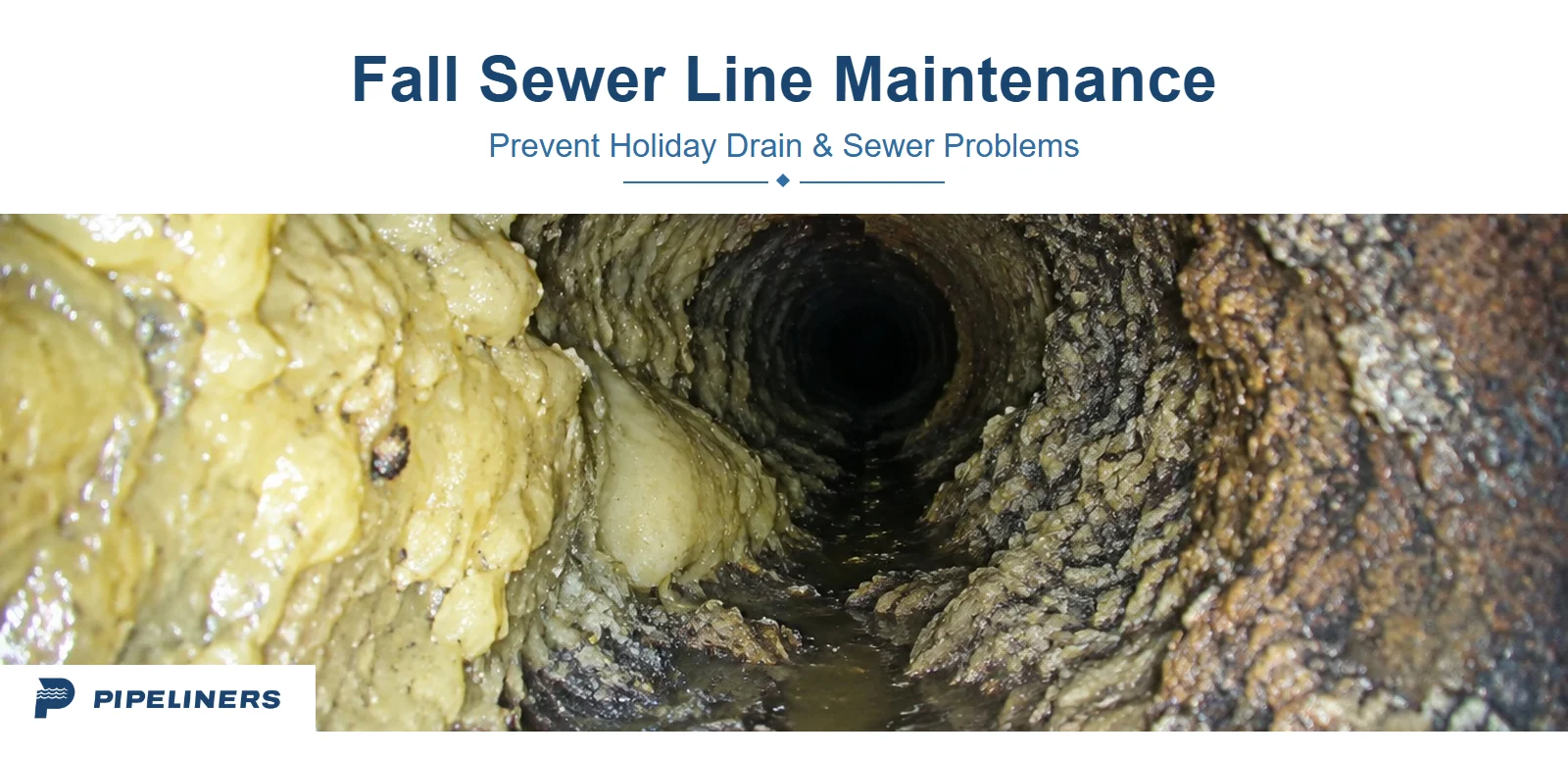

Sewer line maintenance in the fall means clearing buildup and fixing known weak spots before Thanksgiving, when your drains are about to carry far more grease, food waste, and water than usual. In the Phoenix Valley, October and early November are the calm stretch: the weather is finally comfortable for outdoor work, most winter visitors have not arrived yet, and it is easier to get work scheduled before the holiday rush. Handle preventative plumbing maintenance now and the holidays become a lot less risky for your sewer line.
In short: keep grease, wipes, and food scraps out of the drains, get a camera look at the line if anything drains slowly, and fix real damage in October instead of on Thanksgiving weekend.
Key Takeaways
- Fall is the last easy window to prepare your sewer line before holiday cooking and house guests.
- The City of Phoenix calls grease the most frequent cause of sewer problems. Let it cool and put it in the trash.
- Slow, gurgling, or smelly drains in more than one room point to the main sewer line, not a single fixture.
- A camera inspection comes first. It shows whether the line needs cleaning, repair, or nothing at all.
- Cracks, offset joints, and root entry points keep causing clogs until they are fixed, and many can be fixed without digging.
Why is fall the right time for sewer line maintenance in Arizona?
Because the demand on your drains is about to jump, and fall is the last easy window to prepare.
Between Thanksgiving and New Year’s, most Valley homes see three things at once: heavy cooking that sends fats, oils, and grease down the kitchen drain, house guests who add extra showers, laundry, and flushes, and, in communities like Mesa and Sun City, seasonal residents reopening homes that sat empty all summer. A sewer line that was barely keeping up in September is the one most likely to back up once the holiday load arrives, usually with a full house.
There is a local reason to plan ahead, too. Much of the ground under the Phoenix Valley includes caliche, a hard layer cemented by calcium carbonate that restricts water movement. Caliche is very hard to dig through, which is one more reason to fix sewer problems from inside the pipe when you can, and to find them while there is still time to plan the repair.
What should I keep out of my drains before the holidays?
Grease, wipes, and food solids. Those three are the usual suspects behind holiday clogs.
The City of Phoenix Water Services Department calls grease the most frequent cause of sewer problems. It goes down warm and liquid, cools inside the pipe, and hardens against the wall. Each holiday meal adds another layer. The City of Mesa gives the same warning for fats, oils, grease, and personal items: they congeal and block pipes, which can push sewage back up into the home and out into the street.
A short list to share with the household and any guests:
- Let cooking grease and oil cool in the pan, then scrape it into the trash. Never pour it down the drain, even with hot water running.
- Scrape plates into the trash before rinsing. The garbage disposal is for small scraps, not the whole plate.
- Keep fibrous and starchy foods out of the disposal: celery, potato peels, rice, pasta, coffee grounds, and eggshells all build up in the line.
- Nothing but toilet paper goes in the toilet. “Flushable” wipes do not break down the way toilet paper does.
- Run cold water for a few seconds after the disposal stops to move waste fully into the sewer line.
These habits are the foundation of how to prevent drain clogs. They do not remove what is already in the pipe, which is where the next steps come in.
How do I know if my sewer line needs cleaning before the holidays?
If more than one drain in the house is slow, gurgling, or smelly, the problem is likely in the main sewer line, and it needs attention before guests arrive.
Warning signs to check for in October:
- A kitchen sink that drains slowly even after the trap is clear
- Gurgling from a toilet or tub when the washing machine or dishwasher runs
- A sewer or musty smell near a floor drain, cleanout, or lower-level bathroom
- Water backing up in the shower when a toilet flushes
- A drain that has needed snaking more than once in the past year
Any of these can mean buildup, roots, or scale is narrowing the pipe. If you have large trees near the line, our guide on how to tell if tree roots are in your sewer line explains what to look for. If your home still has its original cast iron drain line, internal scale is a common cause, and our post on when pipe descaling is necessary covers that case.
What does preventative drain cleaning actually involve?
For a sewer line, preventative drain cleaning starts with a camera inspection and usually means hydro jetting: high-pressure water that scours the pipe walls clean rather than just poking a hole through the clog.
The camera goes first. It shows what is in the line and what condition the pipe is in, because jetting a pipe that has lost its structure is the wrong call. If the pipe is sound, hydro jetting removes the grease layer, sediment, and root mass from the full inside of the pipe. Snaking only clears a path through the clog and leaves most of the buildup on the walls; our comparison of hydro jetting vs snaking explains the difference.
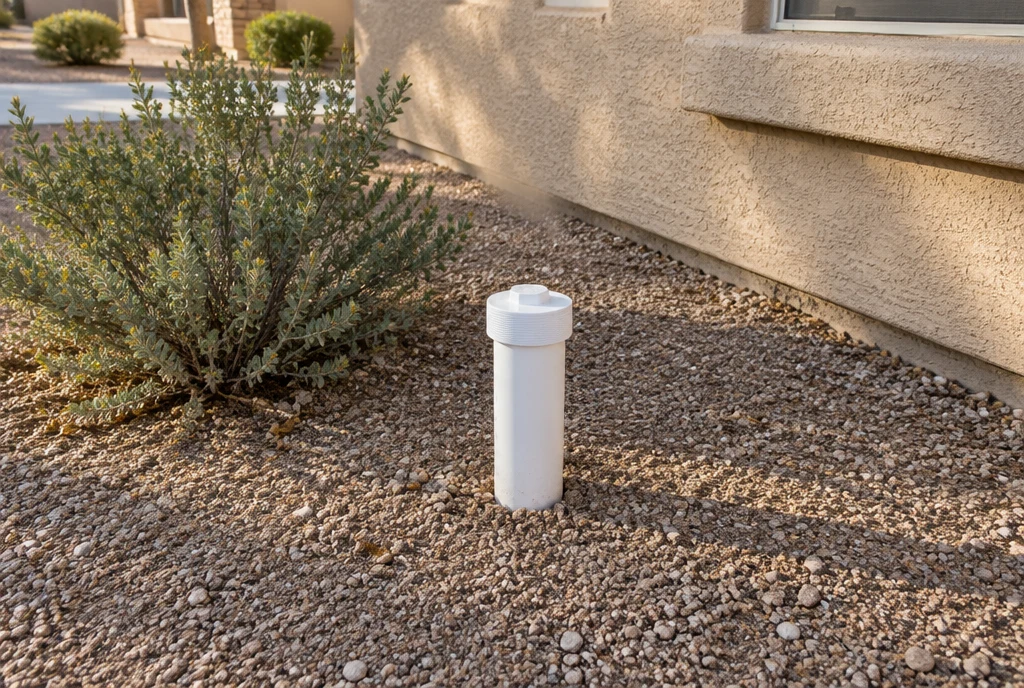
The work is done through your cleanout, the capped pipe that stands straight up out of the ground near the house or property line, so there is no digging when the cleanout is accessible. A second camera pass after jetting confirms the line is clear and shows whether the walls underneath are sound or have damage that cleaning cannot fix.
| Snaking | Hydro jetting | Lining the pipe | |
|---|---|---|---|
| What it does | Cuts a path through a clog | Scours grease, scale, and roots off the pipe walls | Seals cracks and joints with a new liner inside the old pipe |
| Best for | A single, simple clog | Buildup along a pipe that is still sound | Cracks, offset joints, root entry points, corroded cast iron |
| What it leaves behind | Most of the buildup on the walls | A clean pipe wall | A smooth, jointless inner wall |
| Digging | None | None, done through the cleanout | Usually none, done through the cleanout |
What if the camera finds damage in the sewer line?
Then fall is the best time to fix it, and many sewer line problems can be fixed without digging.
Cracks, separated joints, corroded cast iron, and root entry points keep causing clogs no matter how often the line is cleaned, because each one is a place for waste to catch. Lining the drain pipe from the inside seals that damage with a new liner installed through the cleanout, leaving a smooth wall that grease and roots have a hard time gripping. The yard, driveway, and slab stay intact, and the work fits a normal fall schedule instead of a holiday emergency call.
If your home has ever had a backup, a backwater valve is worth considering at the same time. Our post on how Phoenix homeowners can prevent sewer backups explains how it works.
Fall sewer line maintenance checklist for Phoenix Valley homes
A simple order of operations for October and early November:
- Walk the house. Note any slow, gurgling, or smelly drains. Check the yard along the sewer line path for soggy spots or unusually green grass.
- Reset the kitchen habits. Grease in the trash, plates scraped, disposal used lightly, nothing but toilet paper flushed.
- Find your cleanout. Make sure it is accessible and not buried under landscaping or a new patio.
- Get a camera look first. If any drain is slow, or the home is older, has large trees near the line, or still has original cast iron, have the line inspected before anything else.
- Schedule cleaning if the camera shows buildup. Hydro jetting before mid-November beats an emergency call on Thanksgiving weekend.
- Fix known damage now. Cracks, offsets, and root entry points found in the fall can be repaired on a normal schedule.
For homeowners in Mesa and Chandler and across the Phoenix Valley, this is the difference between a quiet holiday season and a backed-up kitchen with twelve people at the table.
Frequently asked questions
How often should a sewer line be cleaned?
There is no single schedule that fits every home. Many homes do fine with a check every year or two. Older cast iron or clay lines, large trees near the line, or a history of clogs call for a yearly look, ideally in the fall. A camera inspection tells you whether the line actually needs cleaning yet.
Is fall a better time than winter for sewer line maintenance in Phoenix?
Yes. Fall has comfortable weather for outdoor work and comes before the heavy holiday load on your drains, so any problem can be fixed on a normal schedule instead of as an emergency.
Can I hydro jet my sewer line myself?
Consumer pressure washers are not built to clean a sewer line, and used the wrong way they can damage older pipe. Professional hydro jetting starts with a camera inspection to confirm the pipe can handle the pressure.
Will hydro jetting fix a sewer line that keeps clogging?
It clears the buildup, but if the line keeps clogging in the same spot there is usually a crack, sag, or root entry point underneath. The camera inspection shows whether the pipe needs repair instead of more cleaning.
What is the most common cause of holiday sewer backups?
Cooking grease. The City of Phoenix calls grease the most frequent cause of sewer problems, and holiday cooking sends extra grease down the drain.
Getting your line ready for the holidays
If a drain is already slow, or your home has an older sewer line nobody has looked at in years, fall is the time to find out what is in it. Pipeliners works throughout the Phoenix Valley. Schedule a sewer camera inspection or call (480) 535-6503.
Last updated: September 2026. Written by Jake Shaker, Pipeliners.