
Quick answer: Hydro jetting vs snaking comes down to one clog or the whole pipe.
When a drain slows down in monsoon season, you have two very different options: clear the one clog, or clean the whole pipe. Snaking pushes a hole through a single blockage and gets you flowing again fast. Hydro jetting uses high-pressure water to scrub the entire inside of the pipe, cutting through the grease, scale, and roots that cause clogs to come back.
In short: one first-time slow drain usually needs a basic clearing, while repeat clogs, several slow drains at once, or a line packed with buildup usually need hydro jetting, and if the camera shows the pipe itself is damaged, sealing it is what finally stops the cycle.
Key Takeaways
- Snaking punches through one clog; hydro jetting cleans the pipe wall to wall so buildup does not come right back.
- Phoenix Valley hard water leaves mineral scale inside cast iron lines, and monsoon rain exposes pipes already narrowed by years of buildup.
- Choose jetting for repeat clogs, several slow drains at once, grease-heavy kitchen lines, or recurring roots.
- Jetting cleans but cannot repair. If the camera shows cracks or root intrusion, trenchless lining is the lasting fix.
Hydro jetting vs snaking: what is the difference?
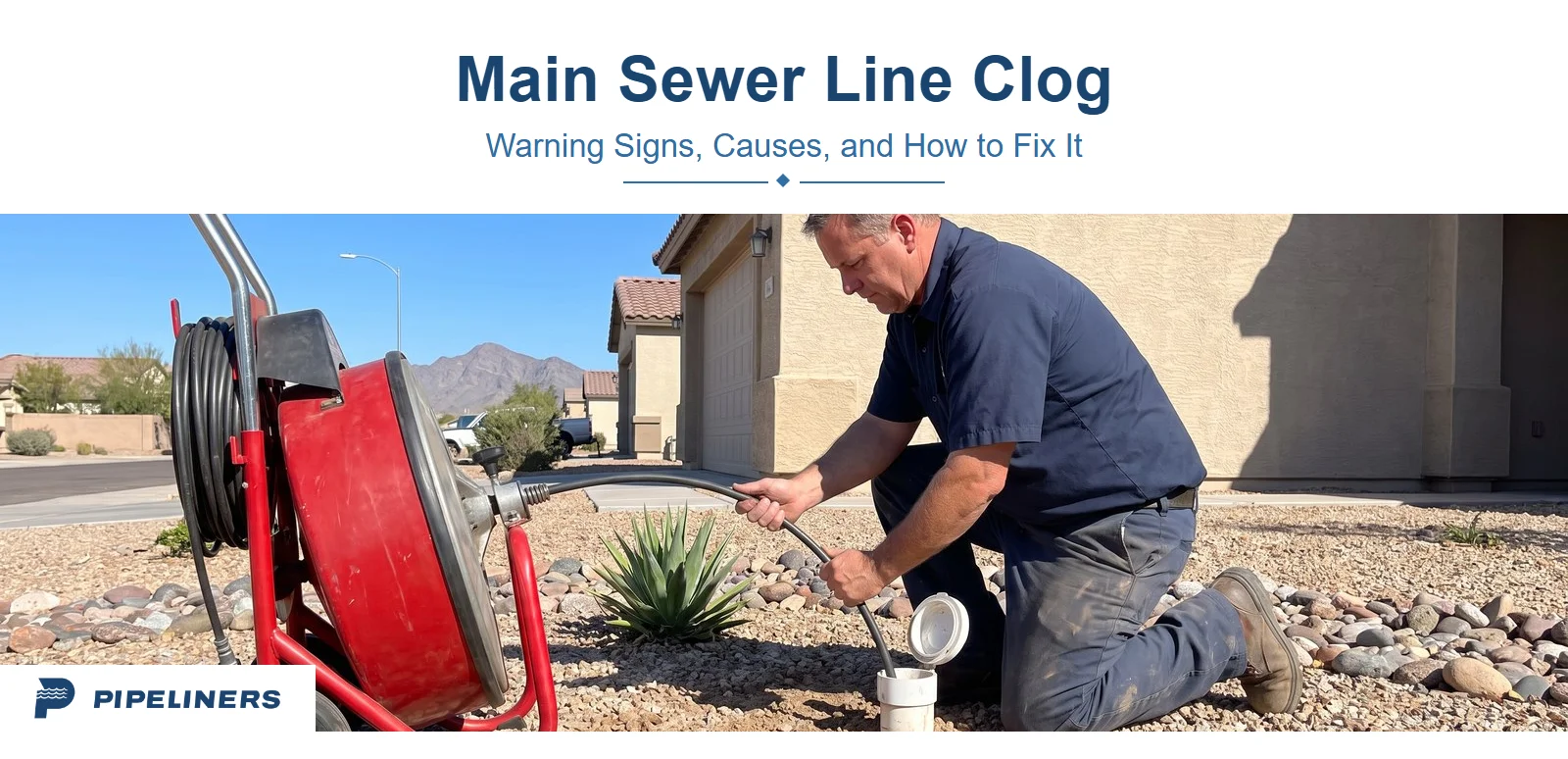
Snaking, or cabling, sends a motorized cable into the pipe to break up or pull out a clog. It is quick and works well for a single fixture backed up by hair or a stray object. The limit is that a cable punches through the blockage but leaves the greasy, scaled buildup coating the pipe wall, so the clog often returns.
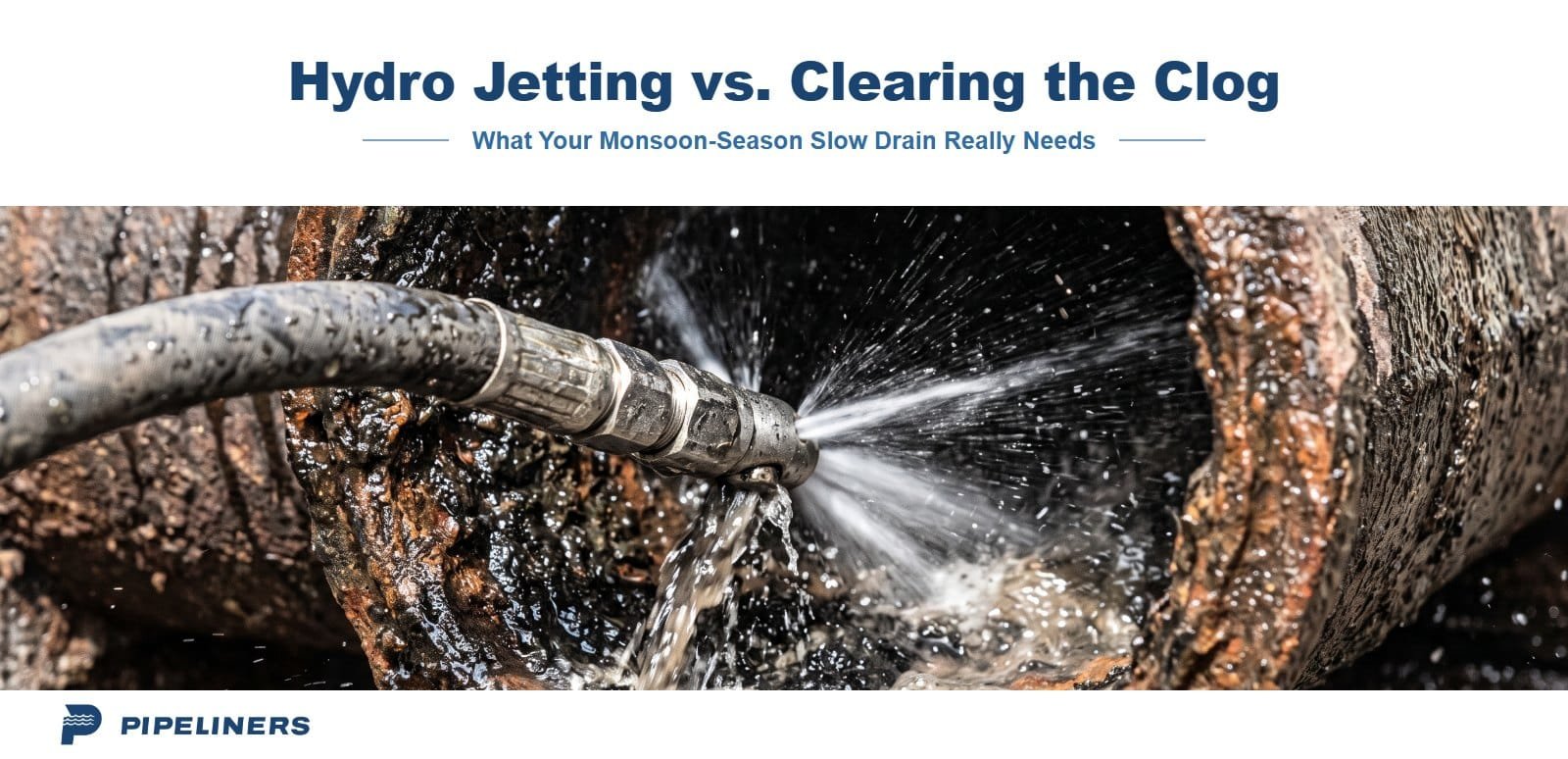
Hydro jetting is different. A hose sprays water at high pressure through a specialized nozzle and cleans the pipe wall to wall. It does not just clear the clog; it removes the buildup that caused it, restoring close to full flow. That is why jetting lasts longer and handles what a cable cannot, like grease-packed lines, hardened scale in cast iron, and root hairs.
| Snaking (cabling) | Hydro jetting | |
|---|---|---|
| What it does | Breaks a hole through one clog | Scrubs the whole pipe wall to wall |
| Best for | A single first-time clog | Grease, scale, roots, repeat clogs |
| How long it lasts | Often returns as buildup remains | Longer; removes the cause, not just the clog |
| Pairs with a camera | Not usually | Yes, to check the pipe underneath |
Why do Phoenix Valley drains need jetting more in summer?
Two local reasons. First, monsoon season is when a stressed line finally shows itself: rain gets into cracked or root-invaded pipe and overwhelms a passage that is already narrowed by years of buildup. Second, Arizona very hard water leaves mineral scale inside drain and sewer pipe, and in older cast iron lines that scale builds into a rough, restrictive crust that grabs everything that flows past. Add heavy summer household use, and a line that coped in spring backs up by mid-July. The monsoon timing, June 15 through September 30 per NOAA, lands right when those pipes are most loaded.
Roots are the other big one. Jetting cuts and flushes the fine roots that find their way into a line, though roots keep coming back until the crack they entered through is sealed. Roots enter through existing cracks and joints, per N.C. Cooperative Extension, which is why a jetting visit is often paired with a camera to see what is really going on.
When is hydro jetting the right call?
Think jetting if you notice any of these:
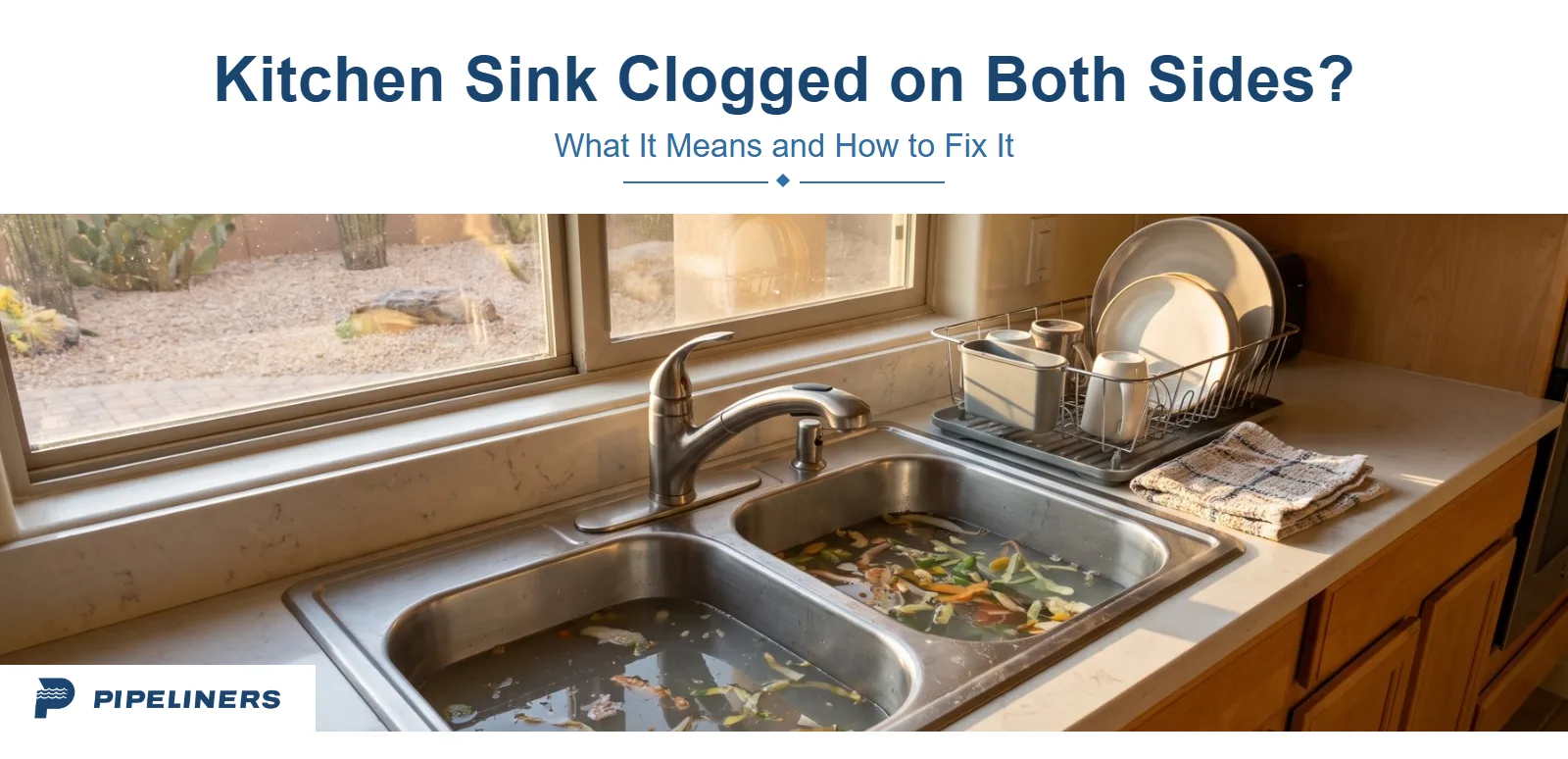
- The same drain clogs over and over after snaking, meaning the pipe wall is still coated.
- Several drains are slow at once, which points to buildup in the main line, not one fixture.
- Grease-heavy kitchen lines after a stretch of heavy cooking and guests.
- Recurring roots that a cable only trims back.
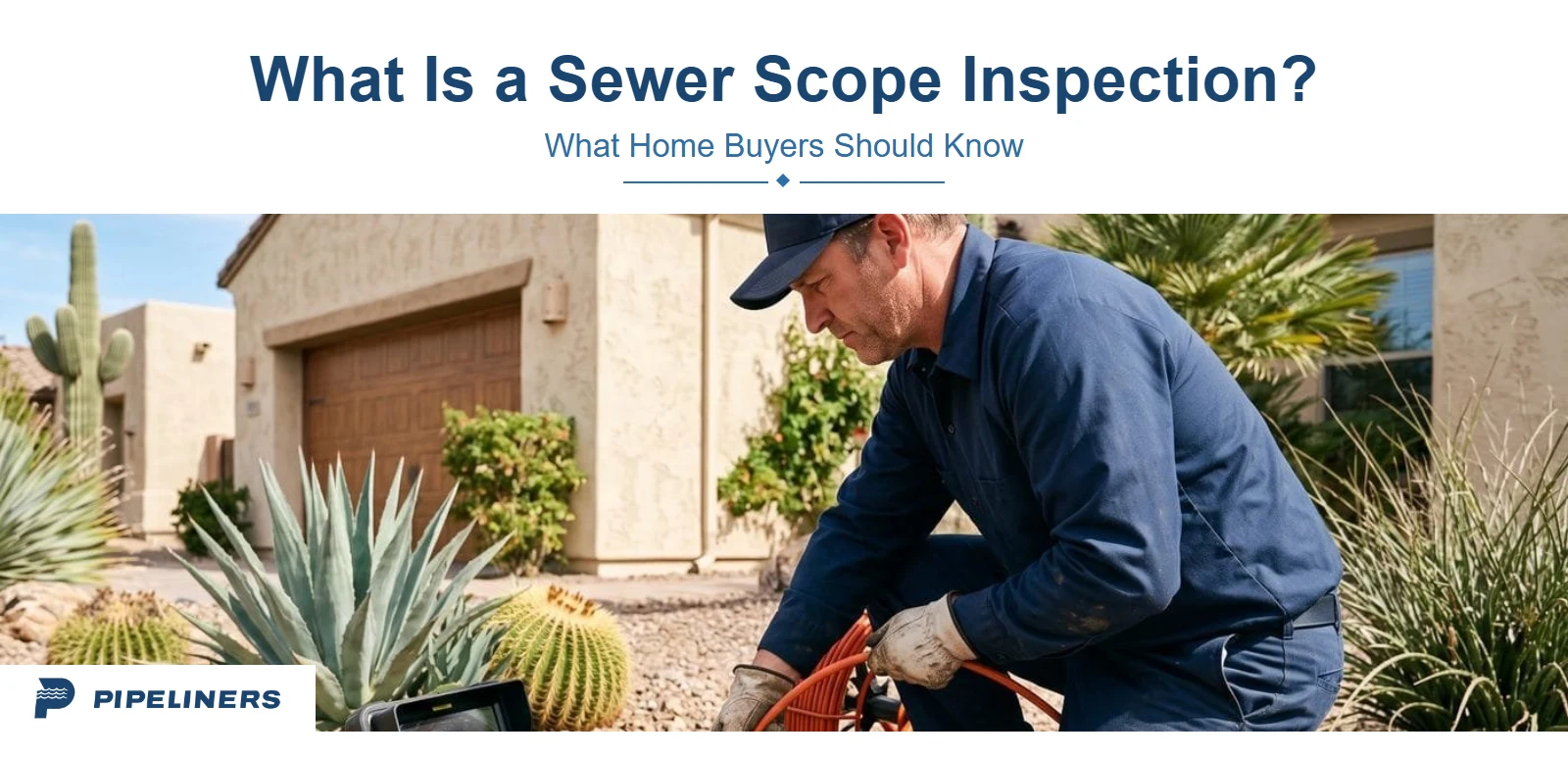
For the recurring cases, our hydro jetting service clears the line, and the camera that goes with it tells you whether the pipe underneath is sound or needs sealing.
What if the pipe itself is damaged?
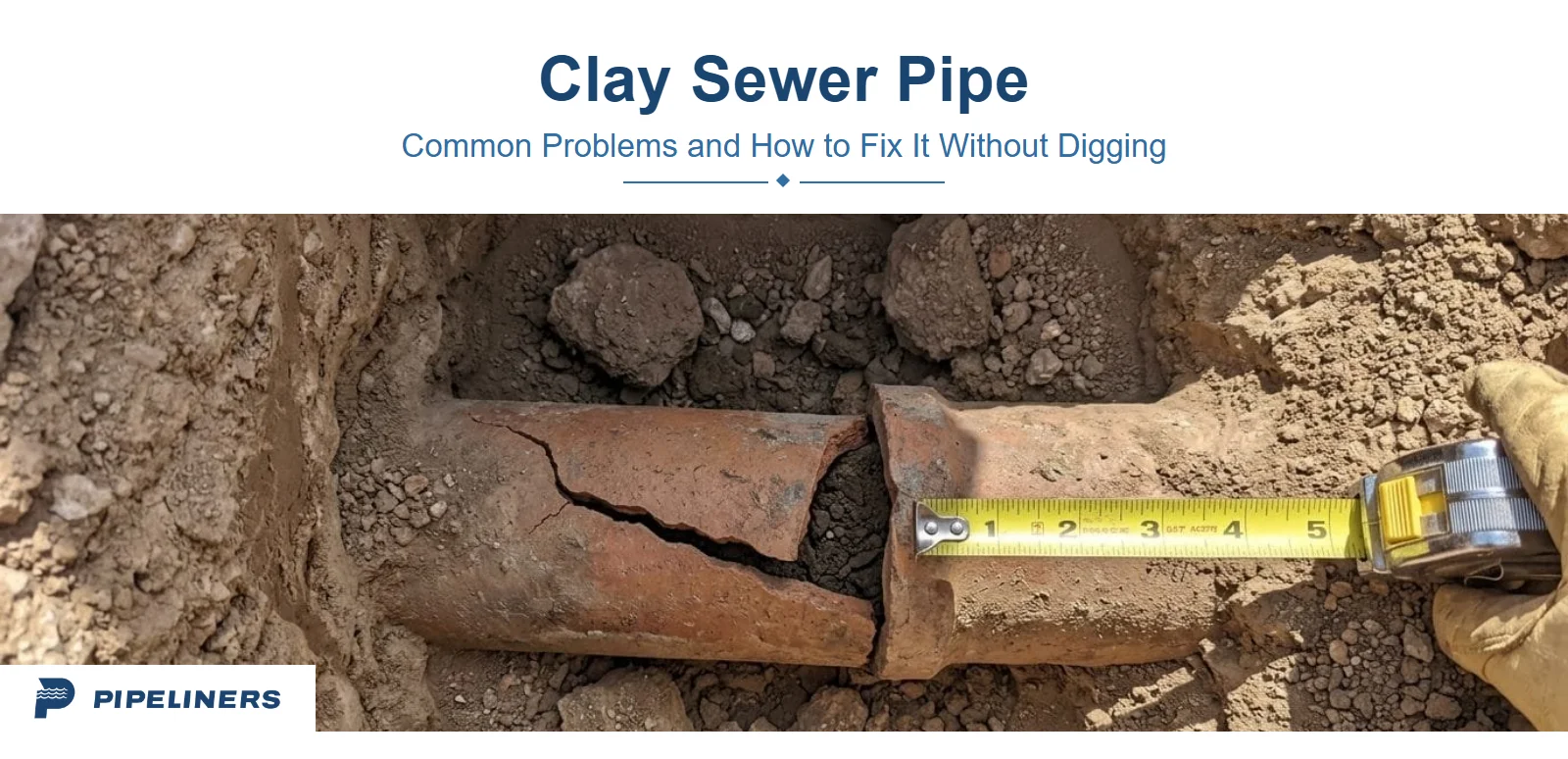
This is the key difference between a clearing company and a restoration company. Jetting cleans the pipe, but if the camera shows cracks, root intrusion, or heavy scale in cast iron, the lasting fix is to seal the line from the inside with trenchless pipe lining so buildup and roots have nothing to grab and no way back in. That is how you stop paying to clear the same line every monsoon. Homeowners across Chandler and Gilbert with older lines see this pattern most, and it ties straight into the broader monsoon pipe problems covered in our main guide.
Frequently asked questions
Do I need hydro jetting or just a drain cleaning in Chandler?
If it is one first-time slow drain, a basic clearing is usually enough. If clogs keep returning, several drains are slow, or the line is grease- or scale-packed, hydro jetting cleans the whole pipe so it lasts.
Is hydro jetting safe for older cast iron pipes in the Phoenix Valley?
Usually yes, but only after a camera inspection. On a line that may be cracked or badly corroded, the camera confirms the pipe can safely handle the pressure, and if it cannot, it points to the right repair instead.
Will hydro jetting get rid of tree roots for good in Gilbert?
It cuts and flushes roots, but they grow back through the same crack they entered. Sealing that crack with trenchless lining is what actually keeps roots out long term.
How often should a Valley home be jetted?
Homes with older pipe, hard-water scale, or a history of clogs may benefit from periodic jetting, but if you are jetting the same line every year, that is a sign the pipe itself needs to be sealed.
Stop clearing the same drain every summer
If a drain keeps backing up, jetting plus a camera inspection will show you whether the pipe just needs cleaning or needs sealing. Schedule a hydro jetting and camera inspection with Pipeliners USA and get a clear answer instead of another temporary fix.