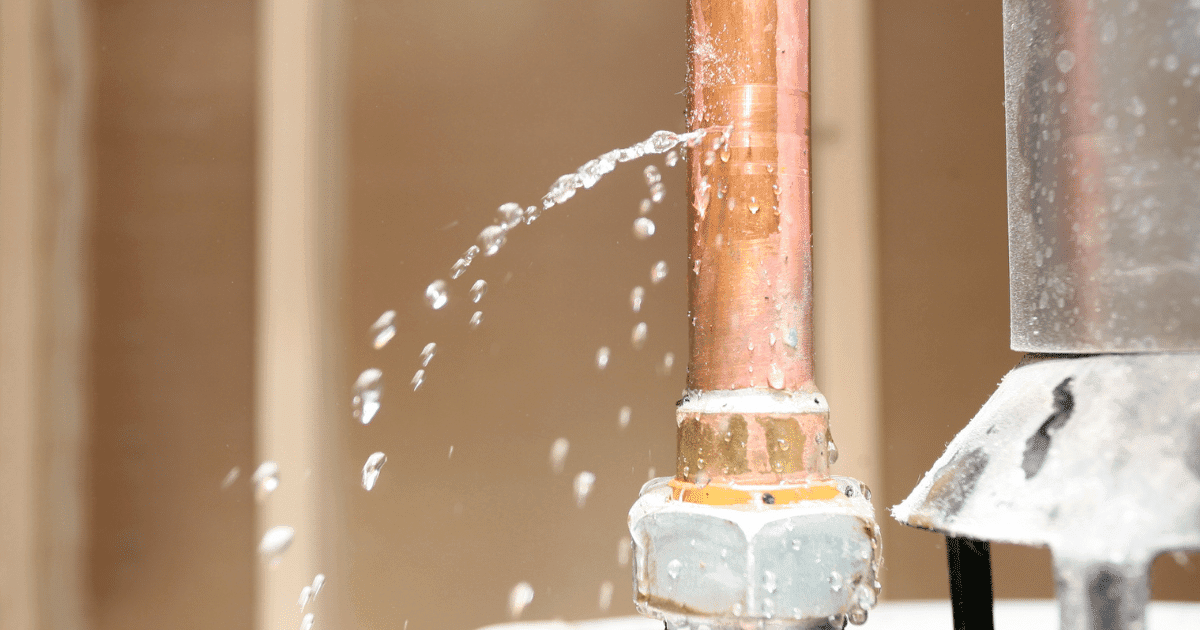

What causes pinhole leaks in copper pipes?
Quick answer: Pinhole leaks in copper pipes are caused by corrosion working from the inside of the pipe, usually driven by water chemistry such as low pH (acidic) water or high levels of chlorides. Over years the copper wall thins until tiny holes open. A single pinhole is often a sign that the same corrosion is at work elsewhere in the system, so the fix is either replacing the affected pipe or restoring the whole system from the inside with an epoxy coating such as ePIPE.
Copper piping is a popular choice for home plumbing systems due to its durability and longevity. However, even the sturdiest materials can fall prey to certain issues, including the mysterious and troubling phenomenon of pinhole leaks. Understanding what causes these tiny leaks can help you prevent significant water damage over time. Here, we’ll explore the main culprits behind pinhole leaks in copper pipes and discuss how to protect your home’s plumbing.
Which water conditions cause pinhole leaks?
1. pH Levels of Water: One primary factor in the development of pinhole leaks is the pH levels of the water flowing through the pipes. Water with a pH level that is too low (acidic) can corrode copper pipes over time. This corrosion gradually eats away at the metal, eventually leading to small leaks. On the other hand, very high pH levels (alkaline) can also cause corrosive effects, albeit through different chemical reactions. It’s important for homeowners to have their water tested and possibly treated to maintain a neutral pH balance to protect their plumbing.
2. Chemical Corrosion: Chemical corrosion plays a significant role in the formation of pinhole leaks in copper pipes. This type of corrosion can occur due to the presence of high levels of chlorides, fluorides, or other chemicals in the water. These substances can aggressively attack the copper, leading to the formation of pinhole leaks. Urban water supplies treated with various chemicals to ensure safety can sometimes inadvertently contribute to this problem. Using filtration systems that remove harmful chemicals can be a beneficial preventive step.
3. Epoxy Coating for Prevention: One effective method for preventing pinhole leaks in existing copper pipes is the application of epoxy coating. This method involves applying a non-toxic, protective layer inside the copper pipes, which seals them against the effects of corrosive substances and water conditions. Epoxy coatings can extend the life of your plumbing system by preventing direct contact between the water and the copper.
Why are pinhole leaks in copper pipes a problem?
While they may start small, a seemingly innocent pinhole in copper pipe can lead to a surprising amount of damage, including water waste, increased bills, and potential water damage to your home’s structure and foundation. These leaks are particularly insidious because they can go undetected for a long time, hidden within walls or beneath floors.
Regular inspections can help catch pinhole leaks early. Look for signs like unexplained increases in your water bill, the sound of running water when all taps are off, or visible signs of corrosion on exposed pipes. If you suspect that your pipes are affected, it’s crucial to address the issue promptly.
How can you prevent pinhole leaks in copper pipes?
Managing and preventing pinhole leaks in copper pipes doesn’t always require immediate professional help. Here are some practical DIY tips that homeowners can implement to mitigate the risk of pinhole leaks:
1. Visual Inspections: Regularly check all accessible copper pipes for signs of corrosion or small leaks. Look for green or white stains on the outside of copper pipes, as these can indicate early corrosion.
2. Listen for Leaks: Occasionally, turn off all water in the house and listen carefully for the sound of water running. Unexplained sounds could suggest a leak.
3. Test Your Water’s pH and Chemical Levels: You can use at-home testing kits to measure the pH levels and the presence of corrosive chemicals in your water. If the levels are problematic, consider installing a water treatment system to balance the pH or filter out harmful chemicals.
4. Insulate Your Pipes: Insulating your pipes isn’t just for preventing freezing. It can also reduce the temperature fluctuations that exacerbate corrosion. Foam pipe insulation is inexpensive and easy to install.
5. Regular Flushing: Periodically flush out your water system by running water at full pressure for several minutes. This can help remove any built-up sediments that may contribute to corrosion.
While these DIY tips can be effective for minor issues and maintenance, significant problems or the installation of preventative solutions like epoxy coating require professional skills. If your DIY efforts do not resolve or reduce the occurrence of pinhole leaks, it’s time to call in the experts.
Request Your Complimentary Quote Today
If you’re concerned about pinhole leaks in copper pipes or want to ensure your home’s plumbing is in peak condition, don’t hesitate to call Pipeliners at 480-535-6503. Our experts are equipped with the latest technology to diagnose, repair, and prevent plumbing issues with effective solutions like epoxy coatings.
Protect your home from the sneakiest leaks, contact Pipeliners for expert assistance today!
Frequently asked questions about pinhole leaks in copper pipes
Can an epoxy coating stop pinhole leaks in copper pipes?
Yes, when the pipe is still sound enough to coat. The ePIPE process dries the pipes with heated air, cleans them with an air and sand mixture, and coats the inside with epoxy, which seals pinholes and protects against new corrosion. The coating is NSF/ANSI 61 certified for drinking water.
How do you find a pinhole leak you cannot see?
A water meter that keeps moving with every tap and appliance off is a common first sign. Pipeliners locates hidden leaks with pressure testing, acoustic listening and thermal imaging before anything is opened. Learn about leak detection in Phoenix.
Should I repipe or coat my copper pipes after a pinhole leak?
It depends on how far the corrosion has spread. Repeat pinhole leaks across the house point to restoring or replacing the whole system rather than patching one spot. Our guide to repiping vs relining compares the two.
Is one pinhole leak a sign of more to come?
Often, yes. Pinholes form where corrosion has thinned the pipe wall, and the same water runs through the rest of the copper, so other sections are usually wearing too. An inspection shows how far it has spread.
Last updated: September 2026.