CIPP vs Traditional Sewer Line Replacement: Which Is Better?
Quick answer: CIPP repairs the sewer line from inside the old pipe, so there is little or no digging, while traditional sewer line replacement opens a trench to pull out the old pipe and lay a new one. CIPP usually means far less damage to your yard and landscaping; replacement can still be the better choice when a line has collapsed or needs to be resized.
When your sewer line needs repair, you have two main options – CIPP pipe lining or traditional pipe replacement. How do you choose between cured-in-place pipe (CIPP) lining and just digging up and replacing your old sewer line? Here we’ll compare and contrast the pros and cons of CIPP lining vs. trench sewer line replacement.
What are the pros of CIPP?
- Less invasive – No need to dig up your yard as entire process happens from within pipe.
- Saves landscaping – Avoid tearing up lawns, gardens, driveways that trenching requires.
- Reduced disruption – Most jobs take a few hours to a day or two, and drains are out of use only while the liner cures.
- Faster repairs – CIPP projects often completed in one day rather than weeks.
- Long-term solution – CIPP can last 50+ years with proper installation.
- Lower cost – Lining a drain typically costs 20 to 30 percent less than digging and replacing it. See what drives the cost of lining a drain.
What are the cons of CIPP?
- Only option for deterioration, not upsizing pipes – Cannot increase pipe size with CIPP.
- Not suited for complete collapses – Any fully collapsed sections may still need replacing.
- Risk of failure if not done properly – Proper CIPP training and application is crucial.
- Upfront inspection costs – CCTV inspection required to confirm CIPP is appropriate.
- Repeat linings can get expensive – Costs add up if relining pipes multiple times.
What are the pros of traditional sewer line replacement?
- Can resize pipes – Can upgrade to larger pipes to improve flow.
- Fixes any damage – Fully collapsed pipes can be swapped with new.
- Renewal of all materials – Can replace pipes, connections, joints, etc.
What are the cons of traditional sewer line replacement?
- Highly disruptive – Yard excavations, jackhammering, plumbing downtime.
- Much greater expense – Average double the cost or more versus CIPP.
- Long repairs – Projects take weeks or months compared to days.
- Yard restoration required – Major landscaping repairs needed after.
- Road closures sometimes – Street digging can require rerouting traffic.
For moderately deteriorated pipes without complete collapses, CIPP is often the preferable option to avoid the major headaches and costs of total sewer line replacement. But for fully deteriorated pipes and upgrading pipe size, replacement may be the right fix. Assess your situation carefully with professional input. Both CIPP and replacement have their pros and cons.
Frequently asked questions about CIPP vs traditional sewer line replacement
Is CIPP cheaper than traditional sewer line replacement?
Usually. Pipeliners’ drain lining typically costs 20 to 30 percent less than digging, demolishing and replacing the line, and it avoids most of the concrete, landscaping and driveway repairs that follow a trench.
How long does a CIPP liner last?
Pipeliners cures its liners with UV LED light, and the finished liner carries a 50-year life expectancy. Read more about UV-cured liners.
When is traditional replacement the better choice?
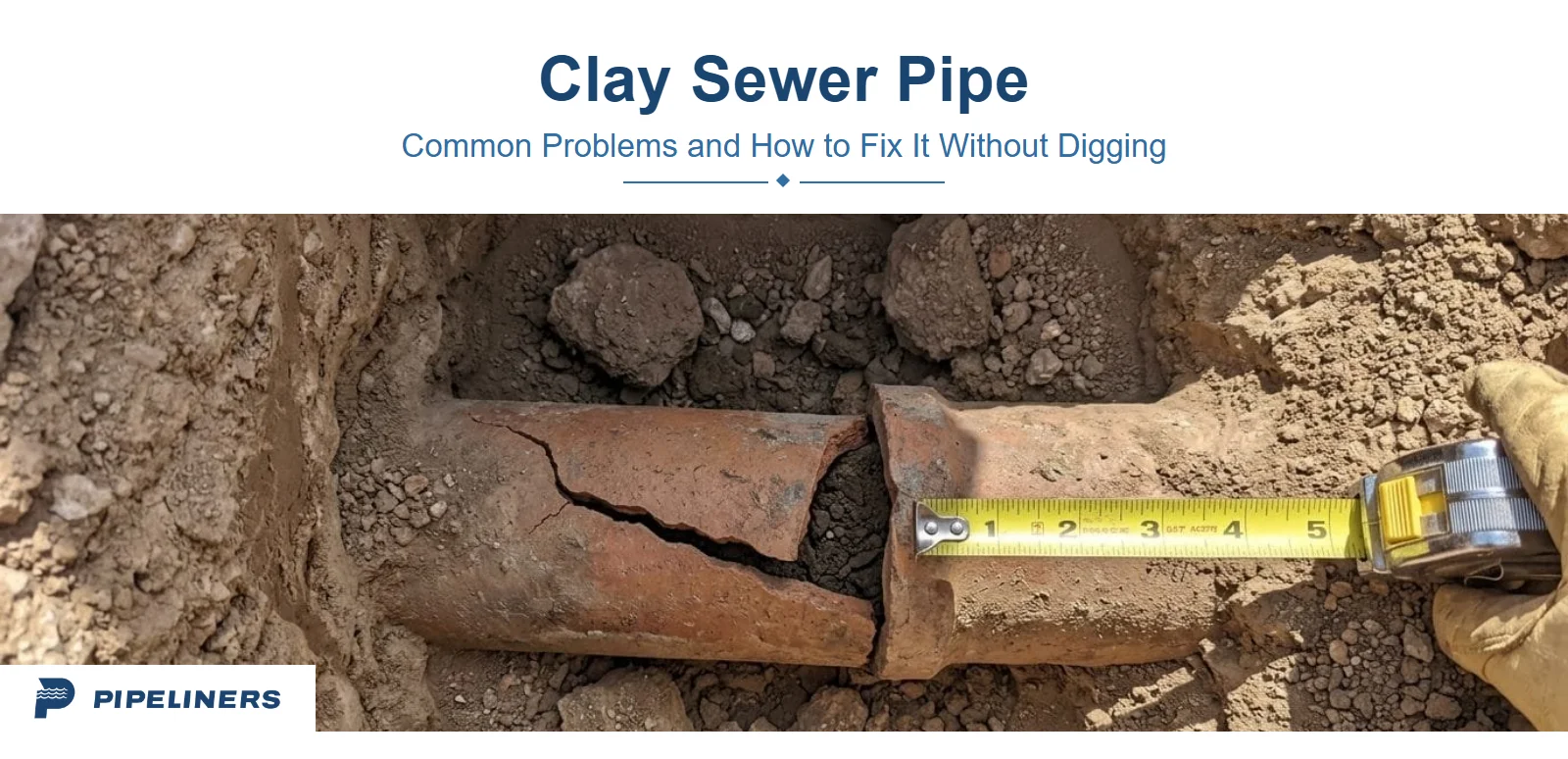
When a section has fully collapsed, when the line has a deep sag, or when you need a larger pipe. A liner follows the shape of the old pipe, so it cannot fix those problems.
Can I use my drains during a CIPP job?
Not while the liner cures, which takes from about 90 minutes to 12 hours depending on the job. Most jobs are finished in a few hours to a day or two.
Not sure which fits your line? Schedule a sewer camera inspection with Pipeliners, and we will show you the footage and explain whether lining, replacement or a mix of both makes sense. Call 480-535-6503.
Last updated: September 2026.