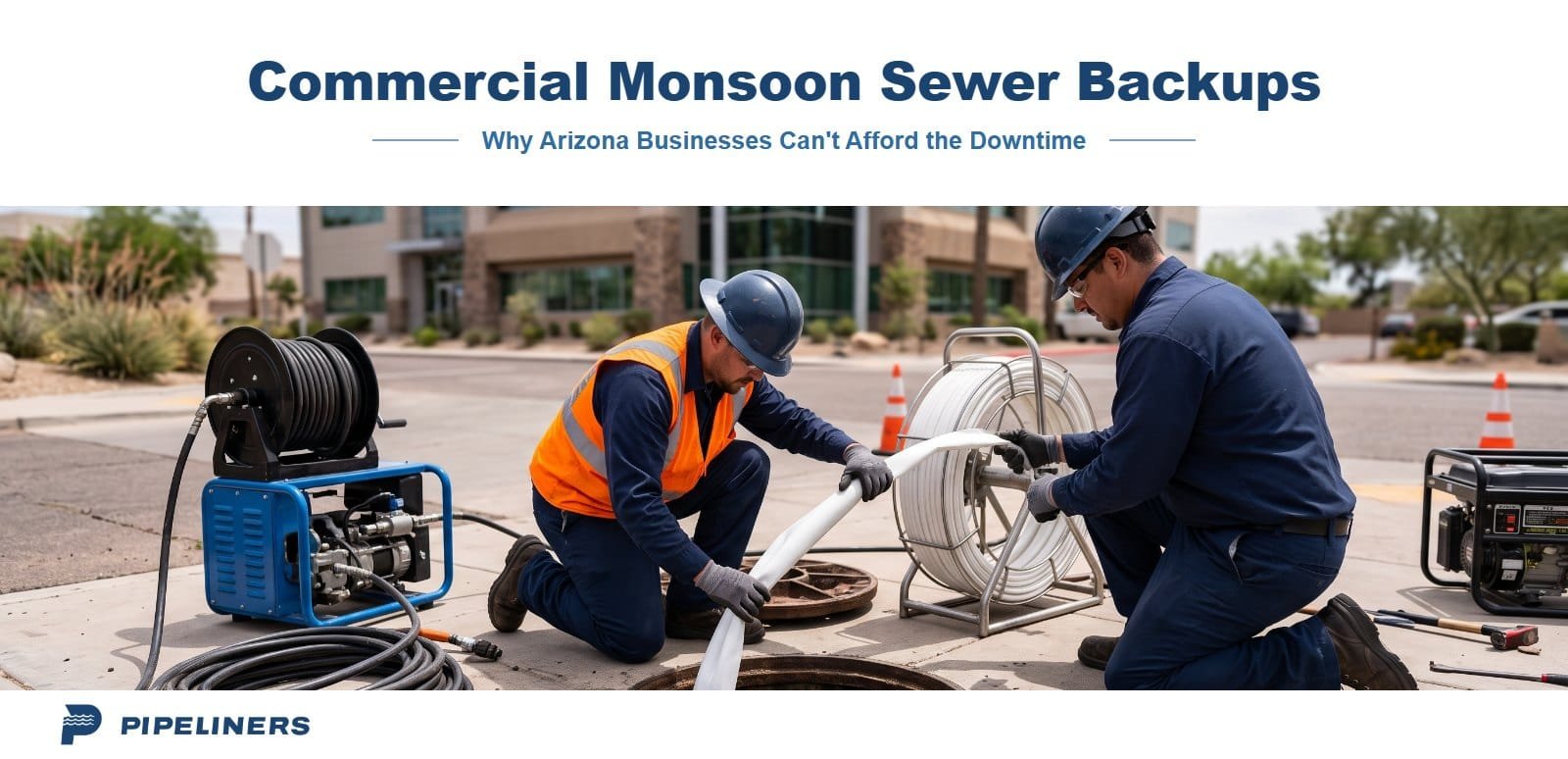

For an Arizona business, a commercial sewer backup during monsoon season is not just a mess; it is closed doors, health-code risk, and lost revenue. The cause is the same as in homes: heavy monsoon rain gets into a cracked, root-invaded, or grease-packed line faster than it can drain, and the backup surfaces at the lowest fixtures. What is different for a commercial property is the stakes and the fix, because the goal is to repair the line without trenching through a parking lot, dining room, or storefront.
In short: no-dig, trenchless repair seals the existing line from the inside through existing cleanouts, so most businesses can stay open while the pipe that keeps backing up gets fixed for good.
Key Takeaways
- Commercial lines carry heavier grease and restroom loads, so monsoon rain overwhelms them faster than a home line.
- A backup can force an immediate closure, a failed health inspection, and ruined flooring and stock.
- Trenchless lining avoids the trenching and slab work that shut a business down, and usually works through existing access points.
- A pre-season camera inspection of the main line catches problems before a storm turns them into an emergency closure.
What causes a commercial sewer backup in monsoon season?
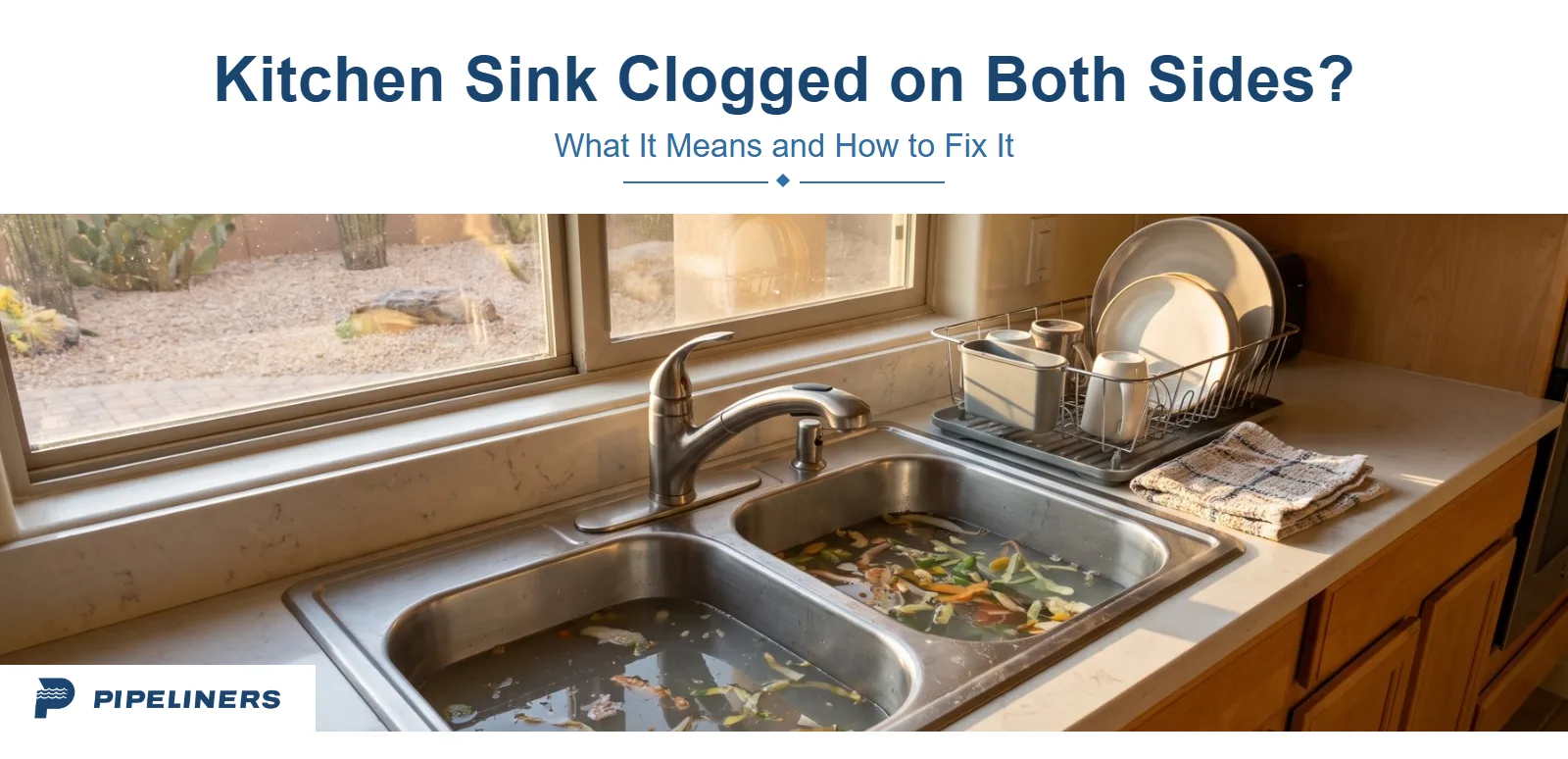
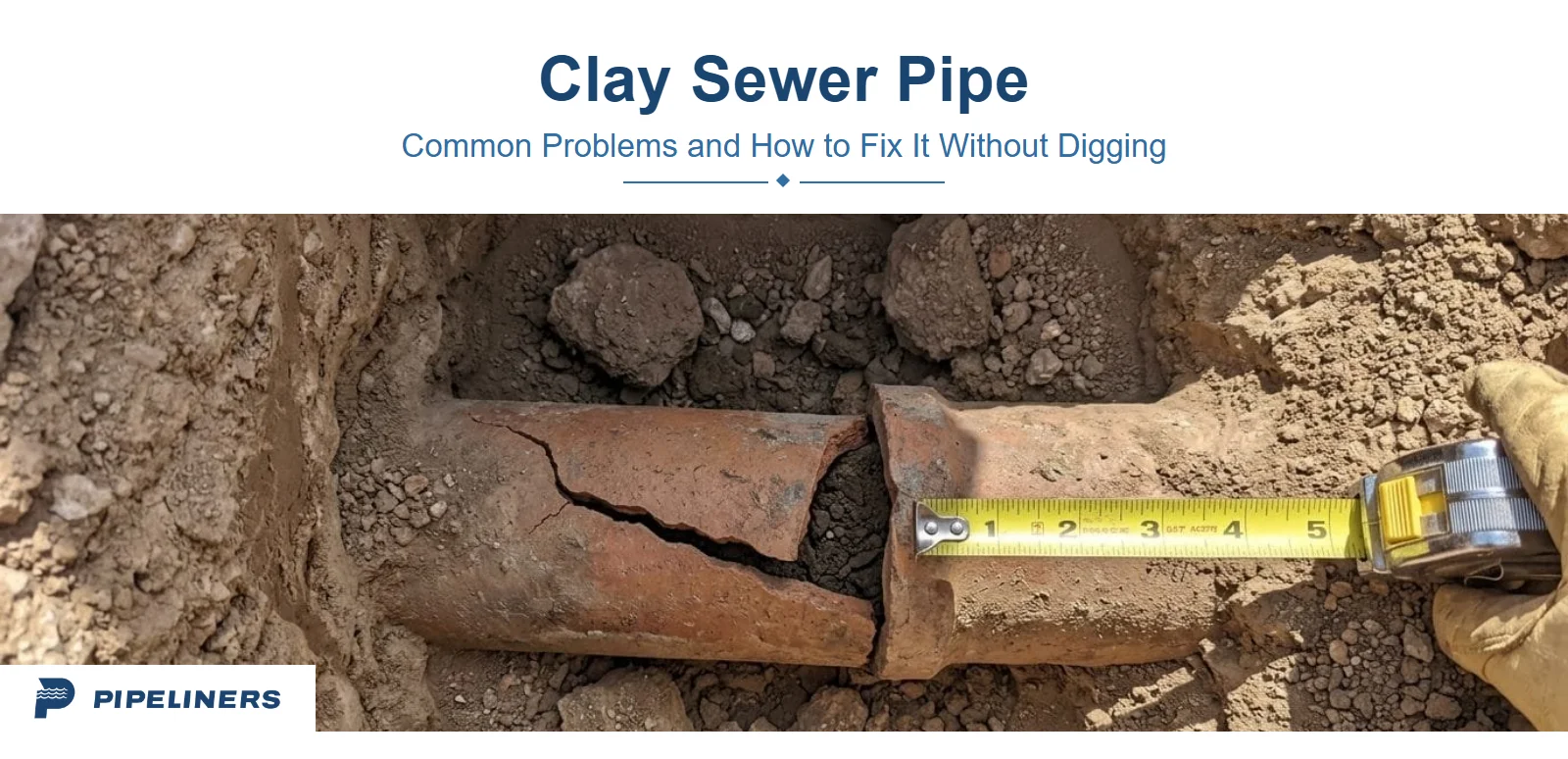
Commercial lines take heavier, more constant loads than homes: restaurant grease, high-volume restrooms, and years of buildup narrowing the pipe. During a dry Arizona summer, a marginal line limps along. Then monsoon rain soaks the ground and works into the pipe through cracks and joints, a process plumbers call inflow and infiltration, and the line cannot move the everyday flow plus storm water at once. The backup pushes up through floor drains and the lowest fixtures, often the worst possible spot in a kitchen or restroom.
Arizona monsoon lands June 15 through September 30 and drops much of the year rain fast, per the Arizona Department of Water Resources, and our clay and caliche soil shrinks and swells with that wet-dry cycle, stressing older commercial sewer laterals that were already carrying decades of use. Much of that rain also arrives in short, intense bursts, per NOAA, which is exactly the load a marginal line cannot handle.
What does a backup actually cost a business?
More than the plumbing bill. A sewer backup in a restaurant, medical office, salon, or retail space can mean an immediate closure, a failed health inspection, ruined flooring and stock, and customers who do not come back. And because the trouble is underground, the temptation is to clear it and reopen, only to have the next storm do it again.
Why trenchless repair fits commercial properties
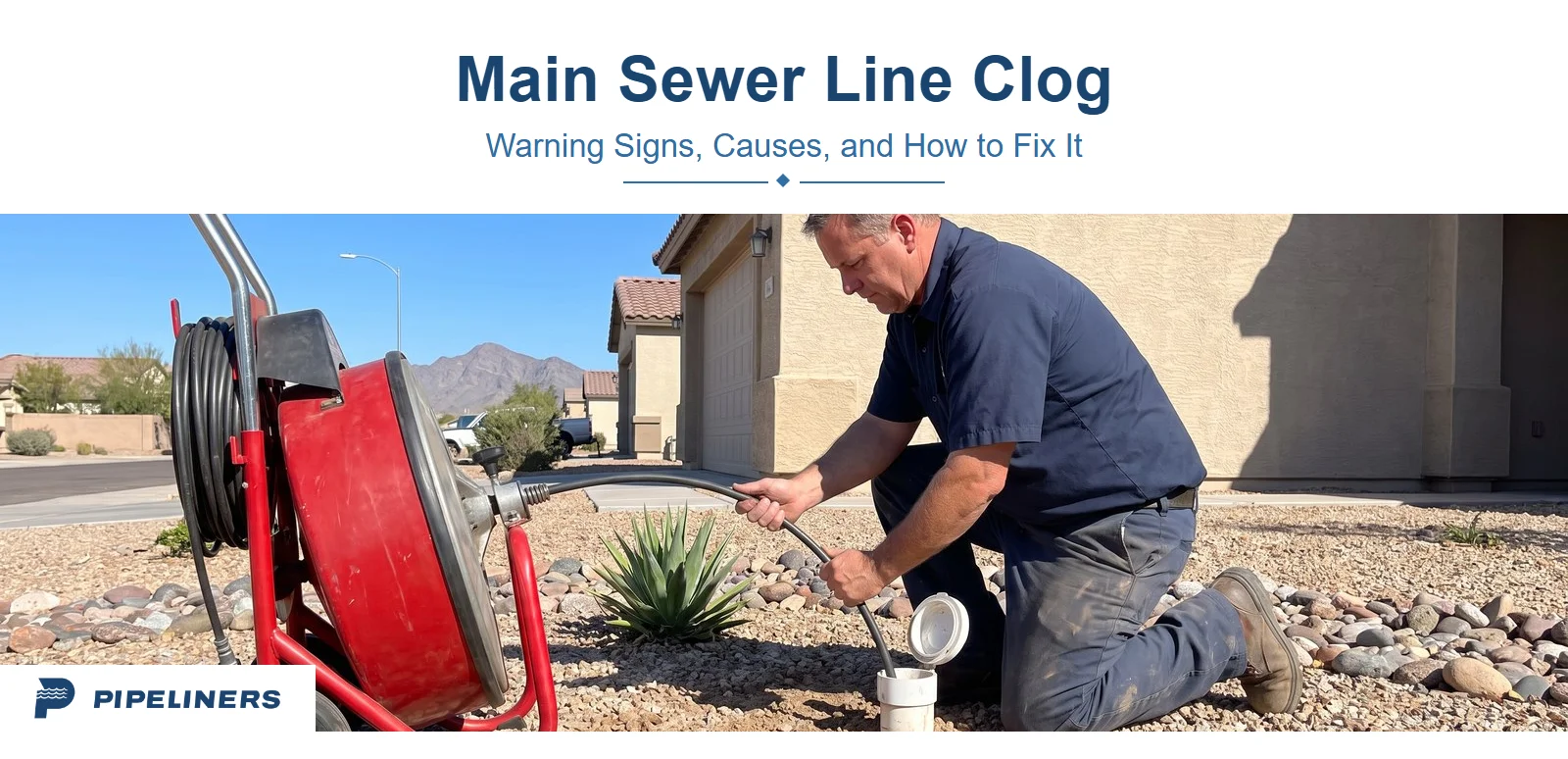
The traditional fix, digging up the line, is often the most disruptive part of the whole project for a business: torn-up parking lots, jackhammered slabs, closed sections, and days or weeks of downtime. Trenchless repair avoids most of that. A trenchless pipe lining seals the existing line from the inside with a cured-in-place liner, usually through existing cleanouts, so the surface above stays intact and the business can often keep operating. For corroded copper water lines and pinhole leaks in a building, ePIPE restoration does the same from the inside without opening walls.
| Dig-and-replace | Trenchless lining | |
|---|---|---|
| Surface impact | Trenches, jackhammered slabs, torn-up lots | Little to no excavation; existing access points |
| Downtime | Often days to weeks | Often hours to a couple of days |
| Staying open | Usually forces a closure | Many businesses keep operating |
| Result | New pipe, major restoration afterward | Seamless sealed pipe rated to last decades |
The process starts with a camera inspection to map the damage, then jetting to clean the line, then lining to seal the cracks and joints that let rain and roots in. It is the same trenchless approach behind the broader monsoon pipe problems Valley properties face, applied where staying open matters most, across Phoenix and Scottsdale commercial corridors.
How can a business get ahead of monsoon backups?
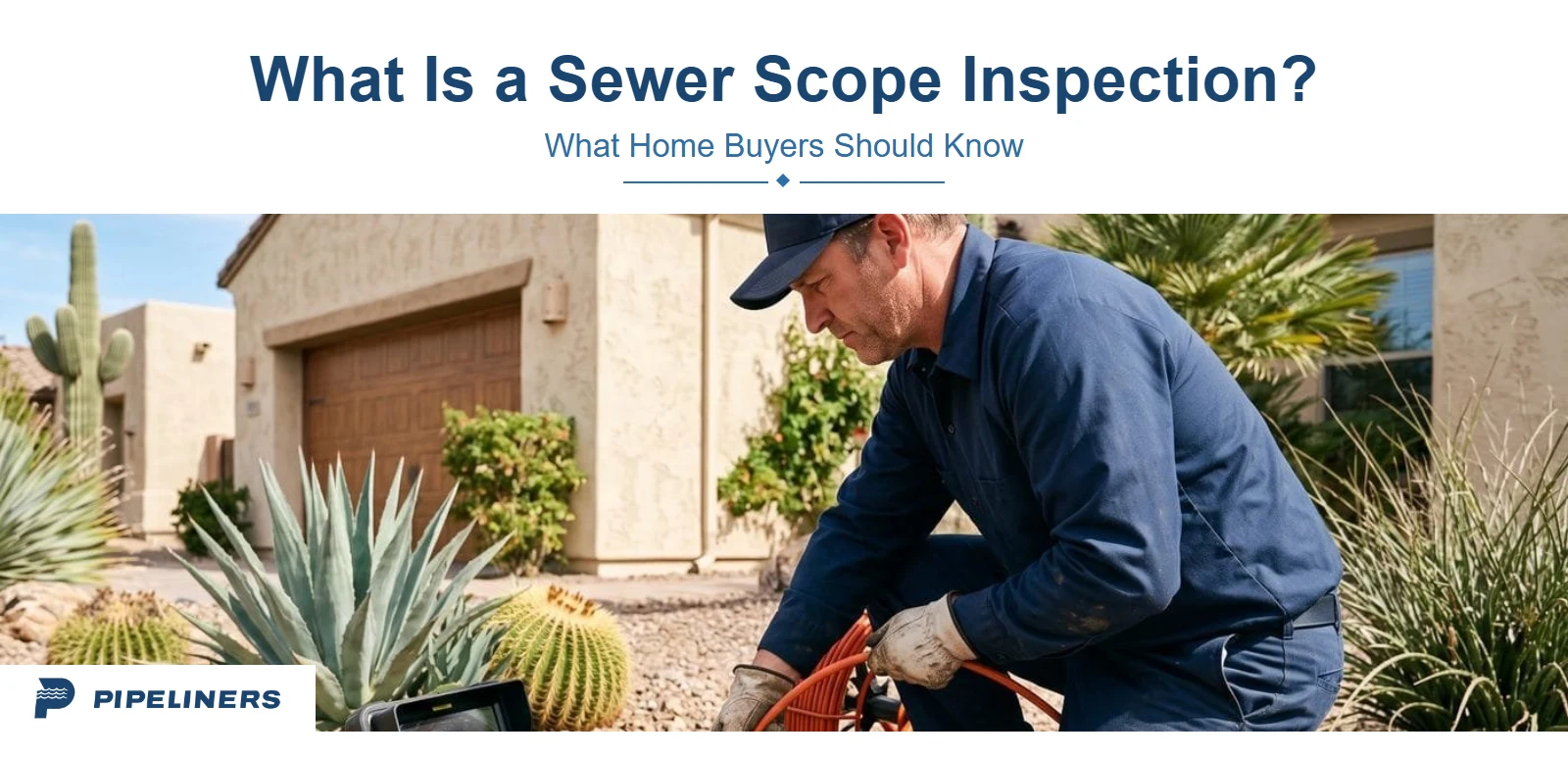
The move that prevents most storm-season closures is a pre-season camera inspection of the main line. It catches cracks, root intrusion, grease packing, and bellies before a storm turns them into a backup, so any repair happens on your schedule instead of during the lunch rush. For older commercial buildings especially, that one inspection is the difference between planned maintenance and an emergency closure. Where a building sits low or the city main surcharges in heavy storms, pairing that inspection with a backwater valve adds an automatic barrier against sewage flowing back into the building.
Frequently asked questions
Why does my Phoenix restaurant drains back up during monsoon storms?
Heavy rain gets into a cracked or grease-packed commercial line and overwhelms it, pushing waste up through floor drains. Grease buildup and older pipe make it worse, and the storm just exposes it.
Can a commercial sewer line be repaired without closing the business?
Often yes. Trenchless lining seals the pipe from the inside through existing access points, avoiding the trenching and slab work that force a shutdown, so many businesses stay open during the repair.
How disruptive is trenchless repair for a Scottsdale commercial property?
Far less than digging. Because there is little to no excavation, parking lots, floors, and storefronts stay intact, and most jobs are measured in hours to a couple of days rather than weeks.
Should my business get a sewer inspection before monsoon season?
Yes. A pre-season camera inspection of the main line catches problems early so any repair is planned, not an emergency closure during peak business.
Keep your doors open this monsoon season
A recurring backup is a warning that the line will fail when the next storm hits. Schedule a commercial sewer camera inspection with Pipeliners USA and we will map the line and lay out the no-dig options that keep your business running.