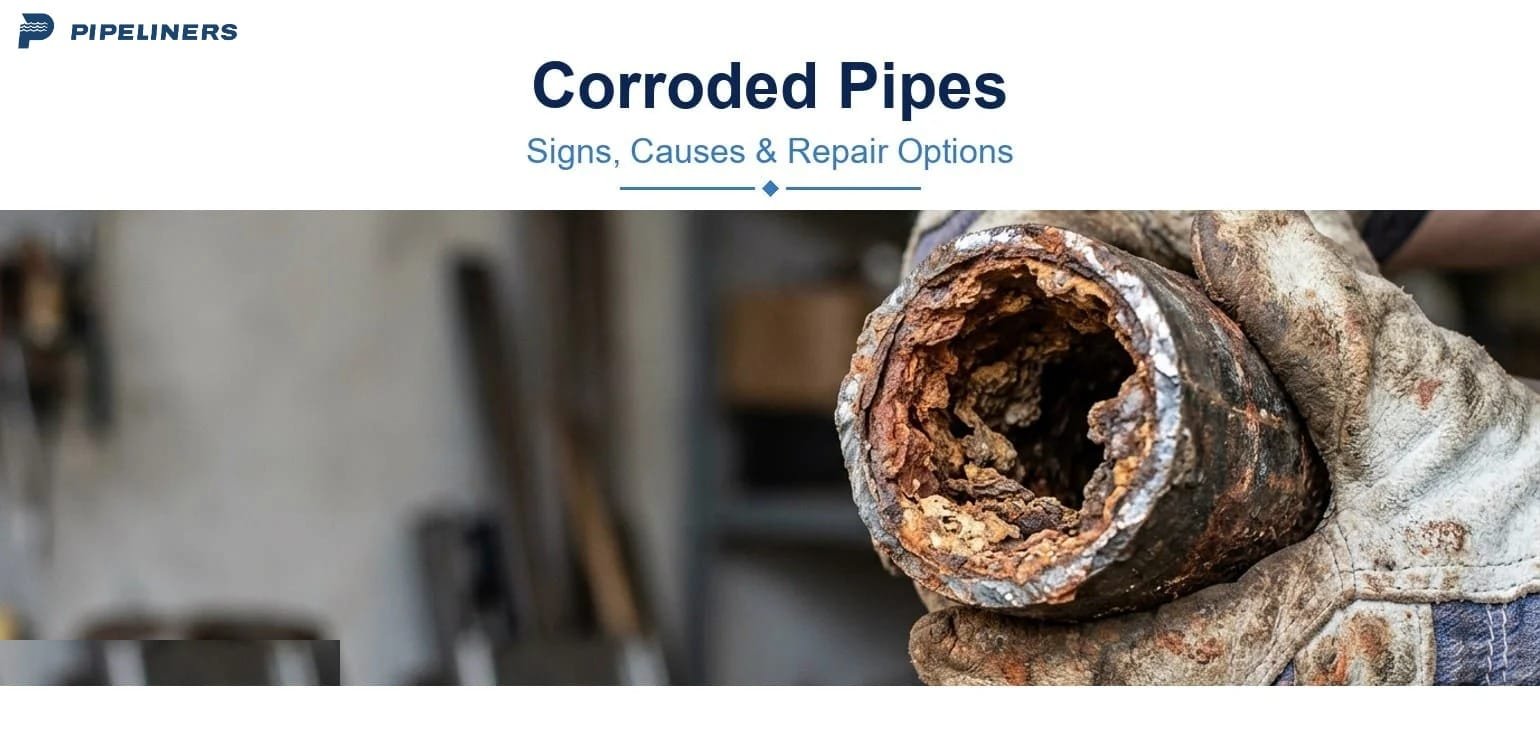

Quick answer: Corroded pipes are water or sewer lines that have worn down and broken apart from the inside out, usually because of a chemical reaction between the metal pipe and the water flowing through it. Over time this damage causes rusty water, low water pressure, leaks, and pipe failure. The most common warning signs are discolored water, a metallic taste, and recurring leaks, and the two main fixes are epoxy pipe lining or full pipe replacement.
Key Takeaways
- Corroded pipes wear away from the inside as metal reacts with water and minerals over the years.
- The clearest warning signs are rusty or discolored water, low water pressure, a metallic taste, and frequent leaks.
- Hard water, old galvanized or cast-iron pipes, and water chemistry are the most common causes.
- Ignoring corrosion can lead to burst pipes, water damage, and health concerns.
- Two main repair options exist: epoxy pipe lining (no digging) or replacing the pipe.
What Are Corroded Pipes?
Corroded pipes are pipes that have slowly broken down because of a chemical reaction between the pipe material and the water inside it. This reaction eats away at the metal, leaving the pipe thin, rough, rusty, or full of tiny holes.
Think of it like rust on an old car, except it happens on the inside of your plumbing where you cannot see it. As the metal weakens, the pipe can clog, leak, or eventually fail.
Corrosion is most common in older homes with metal pipes. Newer plastic pipe, such as PEX or PVC, does not rust the way metal does, which is why corrosion is mostly an issue in homes built decades ago.
What Are the Warning Signs of Corroded Pipes?
The most common signs of corroded pipes are discolored water, low water pressure, a metallic taste, stains, and repeat leaks. Because the damage happens inside the pipe, these clues are often your first hint that something is wrong.
Here are the warning signs to watch for:
- Rusty or discolored water. Brown, yellow, or reddish water, especially when you first turn on a tap, often means rust is flaking off the inside of your pipes.
- Low water pressure. As corrosion builds up, it narrows the inside of the pipe and slows the flow of water.
- A metallic taste. Water that tastes like a penny or like metal can be a sign that the pipe material is dissolving into your water.
- Stains on fixtures. Blue-green or rust-colored stains on sinks, tubs, and faucets point to corroding metal.
- Frequent or recurring leaks. Small pinhole leaks that keep coming back are a classic sign of corrosion.
| Symptom | What it usually means |
|---|---|
| Brown or rusty water | Rust breaking loose inside metal pipes |
| Low water pressure | Buildup narrowing the inside of the pipe |
| Metallic taste | Pipe material dissolving into the water |
| Rust or blue-green stains | Corroding metal at fixtures and joints |
| Repeat pinhole leaks | Pipe walls thinning from the inside out |
If you notice these signs but cannot find the source, a professional can pinpoint the problem. You can learn more on our leak detection services in Phoenix page.
What Causes Pipes to Corrode?
Pipes corrode mainly because of the water that runs through them and the age and material of the pipe itself. A few factors do most of the damage.
Hard Water and Mineral Buildup
Hard water is water with a high amount of dissolved minerals like calcium and magnesium. These minerals build up inside pipes and speed up corrosion over time.
This matters a lot in the Phoenix area. The U.S. Geological Survey classifies water with more than 180 mg/L of hardness as “very hard,” and water across the Phoenix metro is well above that level. That mineral-rich water puts extra wear on older home plumbing.
Old Galvanized and Cast-Iron Pipes
Many older Arizona homes were built with galvanized steel or cast-iron pipes (see cast iron sewer pipe life expectancy). Galvanized pipe has a zinc coating that wears off over the years, and once it does, the steel underneath begins to rust from the inside.
If your home was built decades ago and still has its original metal plumbing, those pipes are a common source of corrosion.
Water Chemistry
Beyond hardness, the chemistry of your water matters. Water that is very acidic, very alkaline, or high in certain minerals reacts more strongly with metal pipes. Even temperature can play a role, since hot water lines often corrode faster than cold ones.
Want the full list of prevention steps? See our guide on how to identify and stop pipe rust and corrosion.
Which Pipe Materials Corrode the Most?
Older metal pipes corrode the most, while modern plastic pipes resist corrosion well. The table below compares common materials.
| Pipe material | Corrosion risk | Notes |
|---|---|---|
| Galvanized steel | High | Zinc coating wears off, then steel rusts inside |
| Cast iron | High | Common in older drain and sewer lines |
| Copper | Moderate | Can develop pinhole leaks over time |
| PEX (plastic) | Low | Flexible plastic, does not rust |
| PVC (plastic) | Low | Common in newer plumbing, does not rust |
What Happens if You Ignore Corroded Pipes?
Ignoring corroded pipes usually makes the problem worse and more expensive. Corrosion does not stop on its own, so small issues tend to grow into bigger ones.
Risks of leaving corroded pipes alone include:
- Burst pipes and water damage. A weak pipe can fail suddenly and flood floors, walls, or ceilings.
- Bigger repair bills. Catching corrosion early is almost always cheaper than handling an emergency later.
- Water quality concerns. As pipes break down, rust and other material can end up in your water.
- Lower water pressure throughout the home. Buildup keeps narrowing your pipes until everyday tasks get frustrating.
The good news is that corrosion is very fixable once you catch it.
How Can You Slow Down Pipe Corrosion?
You can’t stop metal pipe from aging, but you can slow it down:
- Test your water. A basic water test shows pH and mineral content, two common drivers of corrosion.
- Treat hard water. A water softener or whole-home filter reduces the minerals that build up and eat at pipe walls.
- Run unused fixtures. Guest bathrooms and outdoor spigots that sit for weeks let water stagnate in the pipe. Run them for a minute every week or two.
- Get a check before the leaks start. Once you see discolored water or stains on fixtures, corrosion is already inside the pipe. A professional inspection shows whether the pipe can be restored with epoxy or needs to be replaced. See the signs your home needs pipe restoration.
How Do You Repair Corroded Pipes?
There are two main ways to repair corroded pipes: line the existing pipe with epoxy, or replace the pipe entirely. The right choice depends on how bad the corrosion is and the condition of the line. Our guide to repiping vs relining compares both options side by side.
Epoxy Pipe Lining (No Digging)
Epoxy pipe lining, sometimes called pipe relining, creates a new, smooth pipe inside your old one without tearing out walls or digging up your yard. A protective epoxy coating is applied to the inside of the existing pipe, sealing leaks and stopping further corrosion.
This trenchless method is often faster and less disruptive than a full replacement. You can read how the process works on our epoxy pipe restoration page.
Pipe Replacement
When a pipe is too far gone, replacement may be the better long-term option. This involves removing the damaged pipe and installing a new one, often using modern materials that resist corrosion.
A professional inspection is the best way to decide which option fits your situation. Learn what a plumbing inspection checks.
Frequently Asked Questions About Corroded Pipes
How long do pipes last before they corrode?
It depends on the material and your water. Older galvanized and cast-iron pipes often show corrosion after several decades, while modern plastic pipe resists corrosion and lasts much longer. Local water hardness can speed the process up.
Is water from corroded pipes safe to drink?
Water from badly corroded pipes can pick up rust and other material as it passes through, which can affect taste, color, and quality. If you see discolored water or notice a metallic taste, it is worth having your pipes inspected.
Can corroded pipes be repaired without replacing them?
Yes. In many cases, epoxy pipe lining can restore a corroded pipe by sealing it from the inside, without the need to dig or replace the whole line. A professional inspection will confirm whether your pipes are a good fit for lining.
Why are corroded pipes so common in Phoenix homes?
The Phoenix area has very hard, mineral-rich water, and many older homes still have original galvanized or cast-iron plumbing. That combination speeds up corrosion compared to areas with softer water or newer pipes.
What does corrosion inside a pipe look like?
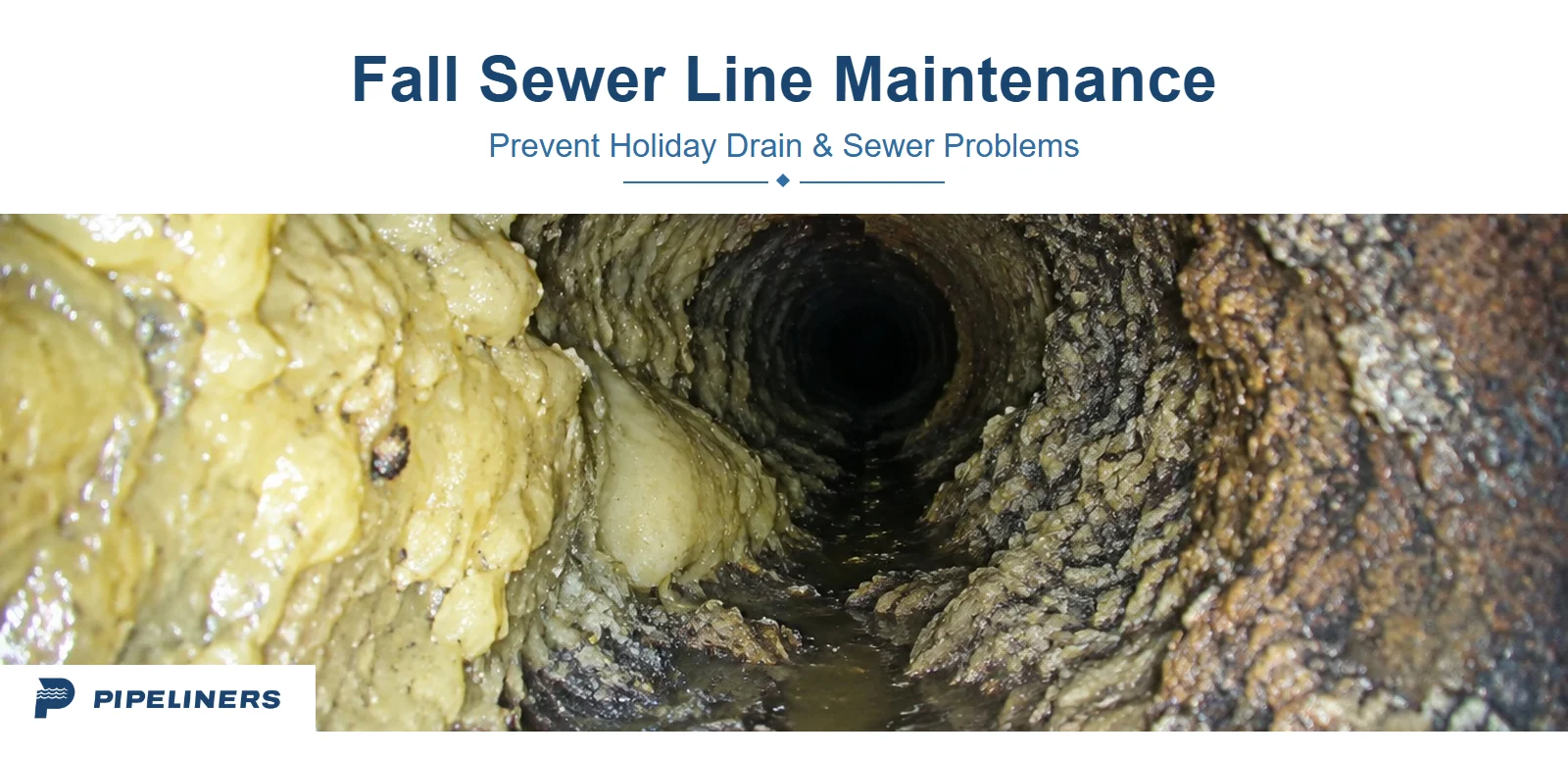
Inside a corroded pipe you will often see rust, flaking metal, and rough mineral buildup that narrows the opening. This is why corroded pipes lead to discolored water and reduced water pressure.
How do I know if my low water pressure is from corrosion?
Corrosion-related pressure loss tends to develop slowly and affect the whole home over time. If your pressure has dropped gradually and you also notice rusty water or stains, corrosion is a likely cause and worth inspecting.
Get Your Pipes Checked
If you have noticed any of these warning signs, the smartest next step is a professional look inside your pipes. Schedule a free sewer inspection and find out exactly what is going on before a small problem becomes a big one. Pipeliners crews are available 24/7 for leaks that cannot wait. Call 480-535-6503.
Last updated: September 2026.