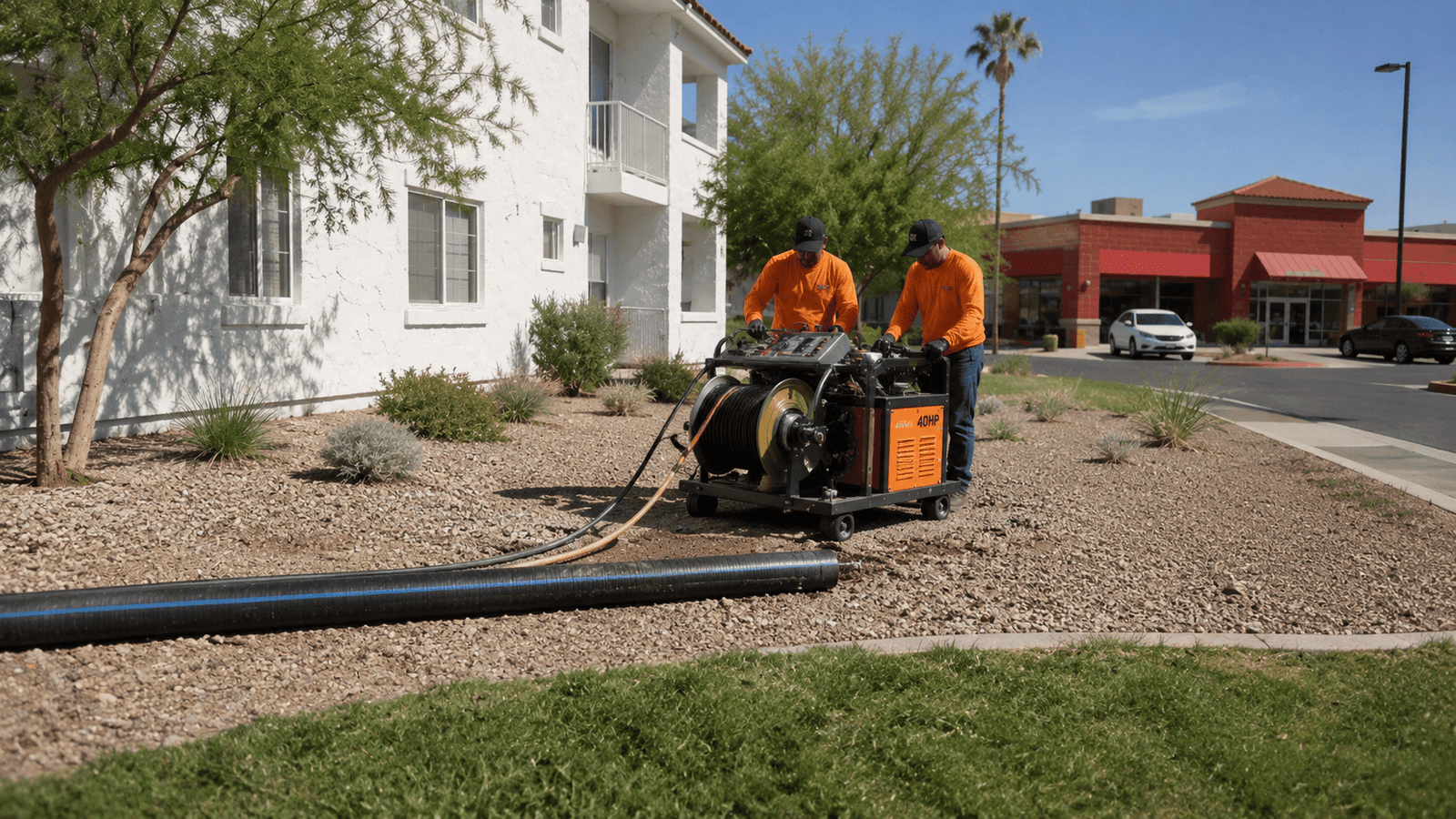

Quick answer: Pipeline environmental compliance in Arizona means keeping pipes structurally sound while preventing releases that could reach soil or groundwater and controlling the impact of the work itself. Operators meet it through leak prevention and detection, corrosion control, careful documentation, and minimizing ground disturbance near sensitive terrain. Trenchless methods (CIPP lining and pipe bursting) support compliance directly because they seal and rebuild pipe from the inside with far less digging.
In short: protecting the pipe and protecting the environment are the same job. A proactive integrity program is safer, cheaper, and less disruptive than reactive emergency repair. Here is how it works in Arizona.
Key takeaways
- Compliance centers on preventing releases, controlling work impact, and documenting both.
- Corrosion is a leading cause of pipeline failures, so corrosion control is central.
- Integrity management is a continuous cycle: assess, evaluate, repair, monitor.
- Trenchless repair reduces ground disturbance and the risk of secondary contamination.
- Arizona’s expansive soils, aging infrastructure, and sensitive terrain raise the stakes on both failure and disruptive repair.
What does pipeline environmental compliance in Arizona involve?
Pipeline environmental compliance in Arizona involves preventing contaminant releases and limiting the environmental footprint of construction and repair. In practice it comes down to four responsibilities:
- Leak prevention and detection. Stop contaminants from reaching soil and groundwater, and detect any loss of containment early. The U.S. EPA treats exfiltration from failing sewers and leaks from pressurized lines as a direct threat to water quality.
- Minimizing ground disturbance. Reduce excavation, especially near washes, protected land, and other sensitive areas.
- Documentation and reporting. Maintain inspection records and report as required so the condition of the line is known and defensible.
- Corrosion control. Manage the deterioration that undermines the pipe over time.
Arizona operators coordinate these duties with state and federal frameworks, including the Arizona Department of Environmental Quality (ADEQ) for water-quality protection and, for regulated transmission lines, U.S. PHMSA integrity requirements.
Why is corrosion control central to pipeline integrity?
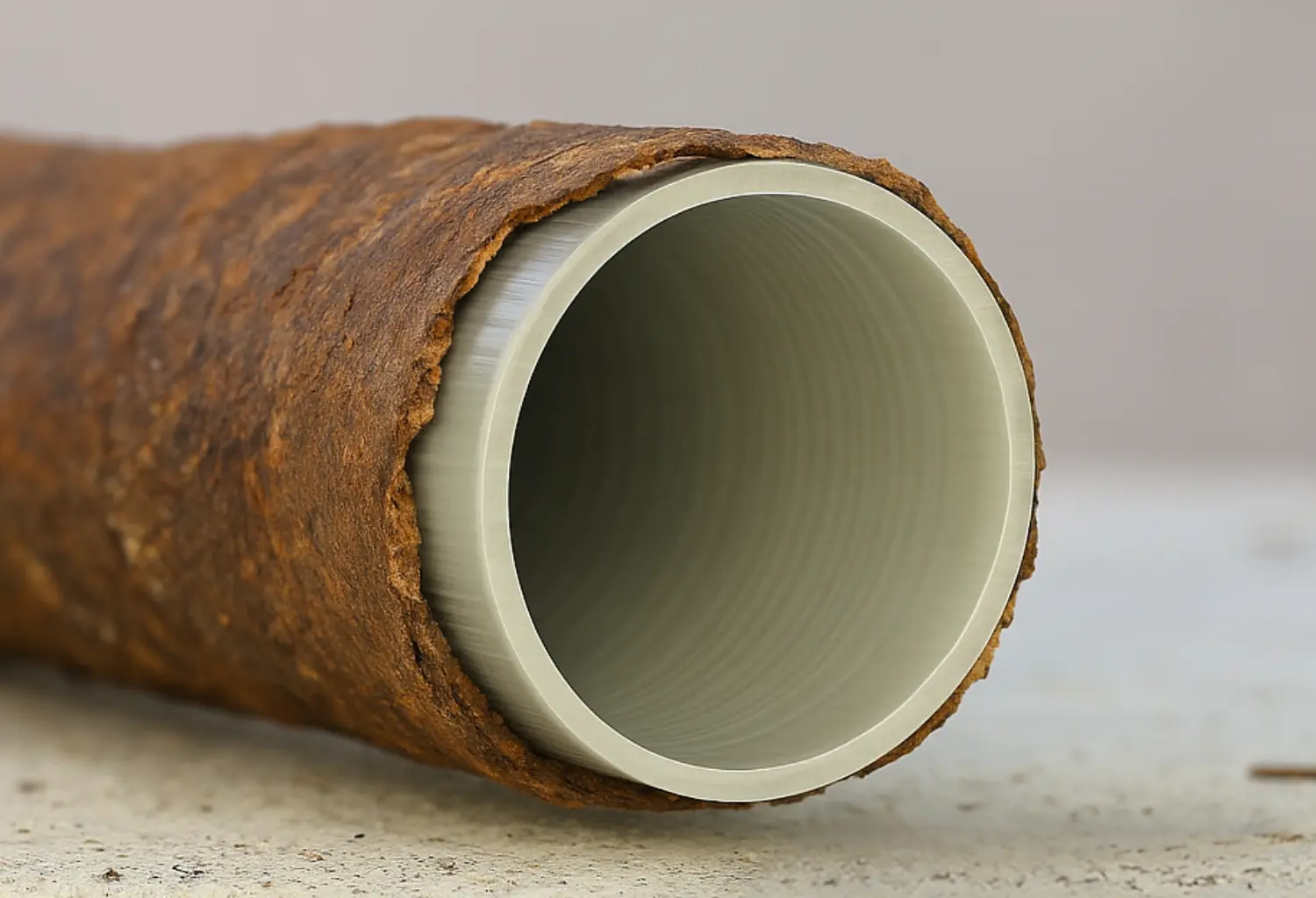
Corrosion control is central because corrosion is one of the leading causes of pipeline failures, and a corroded line is both a structural risk and an environmental one. As metal loss thins the pipe wall, the line loses strength and eventually leaks or ruptures, releasing its contents into the surrounding ground. PHMSA notes that strong integrity programs pair corrosion prevention, such as cathodic protection on metallic lines, with in-line inspection to verify the protection is working and to catch defects that slip through. Rehabilitating a corroding line from the inside, before it fails, is the cheapest and lowest-risk point to act.
What is the integrity management cycle?
The integrity management cycle is a continuous, four-step loop that moves an operator from reactive emergency repair to proactive management. Each pass through the cycle lowers risk and builds the record that compliance depends on:
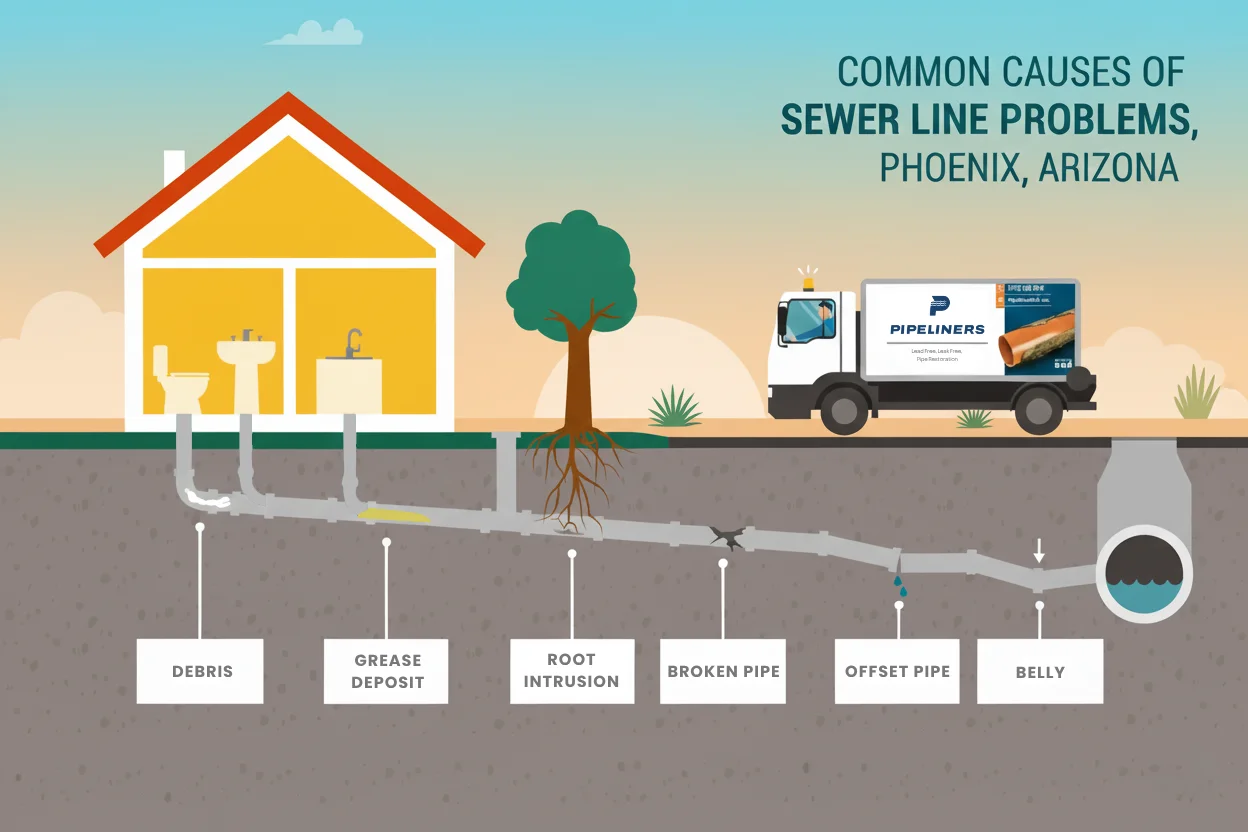
- Assess. Inspect the line with CCTV camera, leak detection, and in-line inspection to find wall loss and defects.
- Evaluate. Identify corrosion, cracks, joint failures, and high-risk sections, then rank them.
- Repair. Fix the priority defects with the least-disruptive effective method.
- Monitor. Re-inspect on a set schedule and feed the data back into the next assessment.
The payoff is that problems are found and fixed while they are small, which is safer and far cheaper than responding to a rupture after it happens.
How does trenchless repair support environmental compliance?
Trenchless repair supports environmental compliance because it rebuilds or seals a pipe from the inside with minimal excavation, which reduces nearly every environmental risk associated with the work. The specific benefits:
- Far less ground disturbance. Protecting soil, vegetation, and habitat matters most near washes and protected land, where open trenching does the most damage.
- Lower risk of secondary contamination. Sealing a line from within avoids exposing a leaking pipe and its surrounding contaminated soil.
- Reduced emissions and waste. Less excavation means fewer machines, less hauling, and less spoil to manage. Peer-reviewed life-cycle studies have found trenchless CIPP generally carries a lower environmental footprint than open-cut replacement.
- Corrosion-resistant, sealed results. The finished pipe resists the deterioration that caused the problem in the first place.
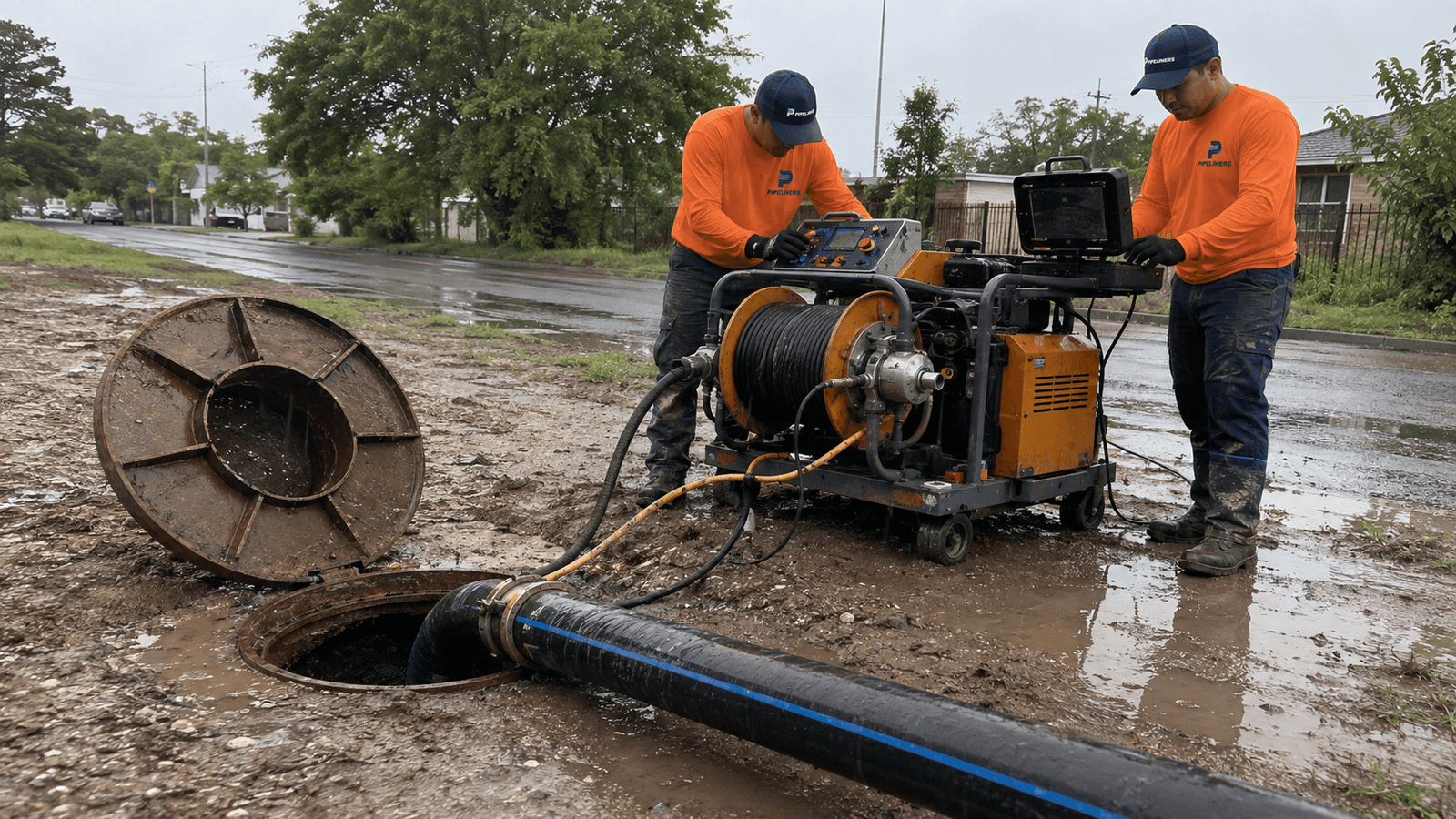
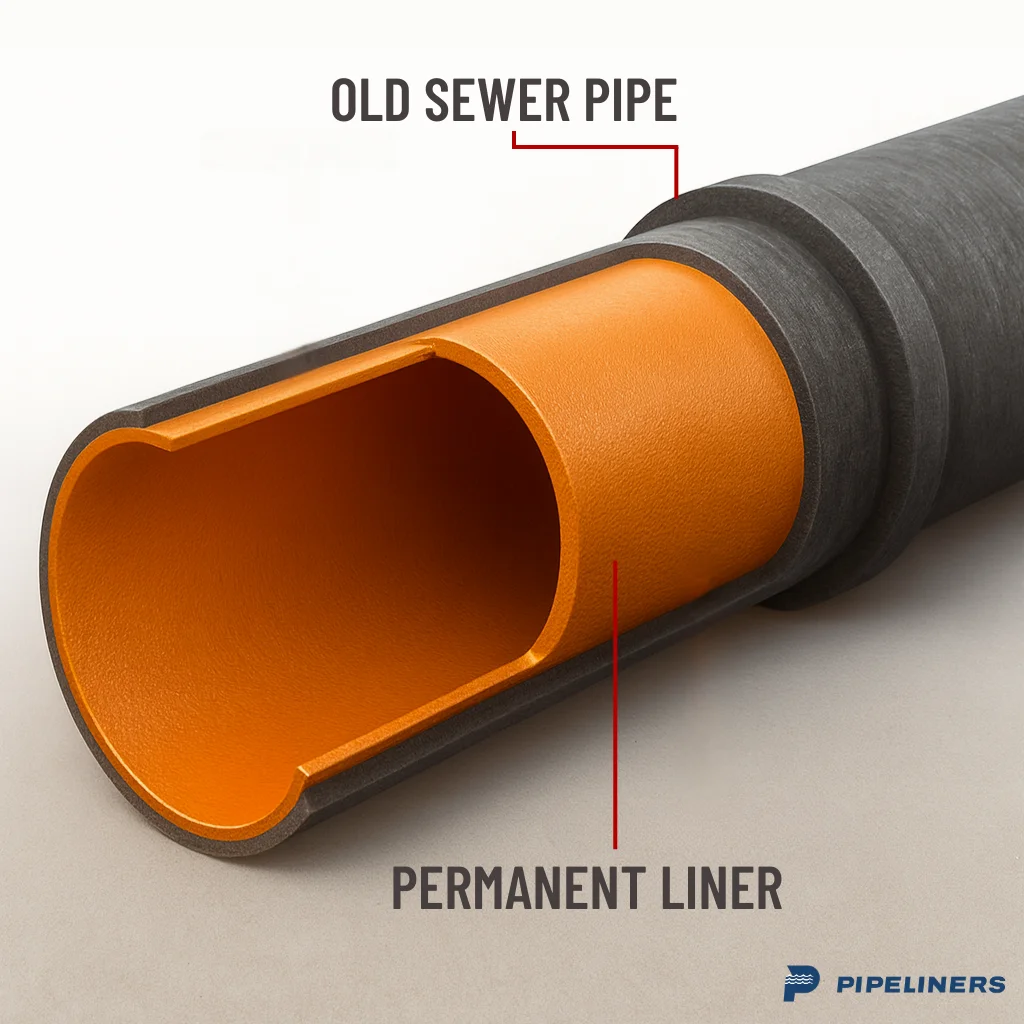
Two methods do most of this work. CIPP trenchless pipe lining installs a resin liner that cures into a seamless, joint-free pipe inside the old one, sealing cracks and infiltration and adding corrosion resistance without excavation. ePIPE pipe restoration and pipe bursting handle lines too far gone to line, replacing them with minimal surface disruption. Both pair with camera inspection, hydro jetting and cleaning, and leak detection.
Why do Arizona conditions raise the stakes?
Arizona conditions raise the stakes because expansive soils, aging infrastructure, and environmentally sensitive terrain make both failure and disruptive repair especially costly. Expansive clay swells and shrinks with moisture, shearing rigid pipe and joints. Older networks have more corroded and cracked segments waiting to fail. And washes, riparian corridors, and protected land mean an open-trench repair can do real ecological harm on top of the release it is meant to fix. A trenchless, integrity-led approach answers all three at once, which is why it fits Arizona so well. Pipeliners serves operators across Arizona.
Frequently asked questions
Who regulates pipeline environmental compliance in Arizona?
Water-quality protection in Arizona is administered by the Arizona Department of Environmental Quality (ADEQ), which oversees safeguards against contaminants reaching soil and groundwater. Regulated transmission pipelines also fall under U.S. PHMSA integrity-management rules. Operators should confirm the exact requirements that apply to their specific line and location.
Is trenchless pipe repair better for the environment than digging?
Yes. Trenchless repair disturbs far less ground, produces less spoil and emissions, and lowers the risk of spreading contamination from a leaking line. Peer-reviewed life-cycle analyses have generally found cured-in-place pipe carries a smaller environmental footprint than open-cut replacement, which is why it is favored near sensitive terrain.
How does CIPP lining help prevent groundwater contamination?
CIPP lining prevents contamination by curing a resin liner into a seamless, joint-free pipe inside the old one, which seals the cracks and open joints where wastewater would otherwise exfiltrate into the soil, or where groundwater would infiltrate the line. The sealed liner also resists the corrosion that caused the leak.
What is the difference between reactive and proactive pipeline management?
Reactive management waits for a leak or failure and then responds, which is dangerous, disruptive, and expensive. Proactive management runs a continuous cycle of assessment, evaluation, repair, and monitoring so defects are caught and fixed while small. The proactive approach is the core of integrity management and of staying compliant.
Do you handle commercial and municipal pipeline projects in Arizona?
Pipeliners works with commercial and municipal operators across the Phoenix metro and greater Arizona, providing trenchless lining, pipe bursting, camera inspection, hydro-jetting, and leak detection. The best starting point is an assessment of the line so we can recommend the least-disruptive compliant repair. Contact our team to arrange one.
Protect the pipe and the land in one job
Compliance and pipe integrity are the same objective, and trenchless methods let you meet both with minimal disruption. Talk to our team at Pipeliners about an integrity assessment and a repair plan built for Arizona conditions.
By Jake Shaker, Pipeliners