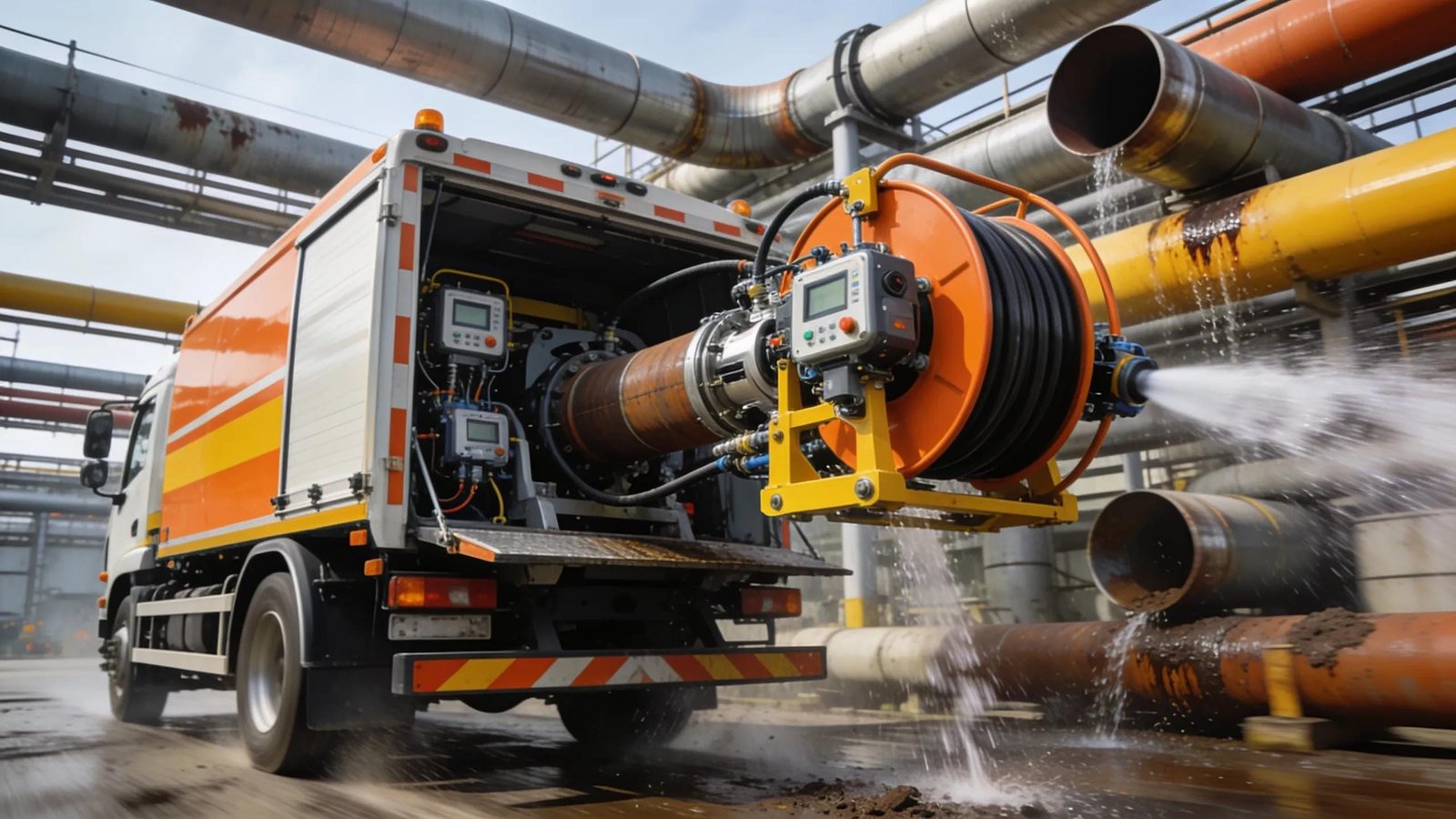

Quick answer: Industrial pipeline cleaning services remove the scale, corrosion byproducts, grease, mineral deposits, and debris that build up inside commercial and municipal lines, restoring full-bore flow and extending the life of an expensive asset. The best programs are diagnostic-led (they follow an inspection), method-matched (pigging, hydro-jetting, mechanical descaling, or chemical cleaning chosen for the deposit and pipe), and verified with a post-clean inspection.
In short: every pipeline loses capacity over time. Cleaning on a planned schedule, guided by inspection data, is far cheaper than waiting for a blockage or failure. Here is how modern cleaning works and how the methods compare.
Key takeaways
- Buildup lowers flow, raises pressure, and increases the risk of blockage and failure.
- Pigging is the workhorse of pipeline cleaning, with different pig types for different jobs.
- Hydro-jetting, mechanical descaling, camera inspection, and chemical cleaning round out the toolkit.
- Trenchless cleaning means little to no excavation, lower total cost, and minimal disruption.
- Condition-based maintenance (clean when buildup nears a threshold) beats run-to-failure.
Why do industrial pipelines need professional cleaning?
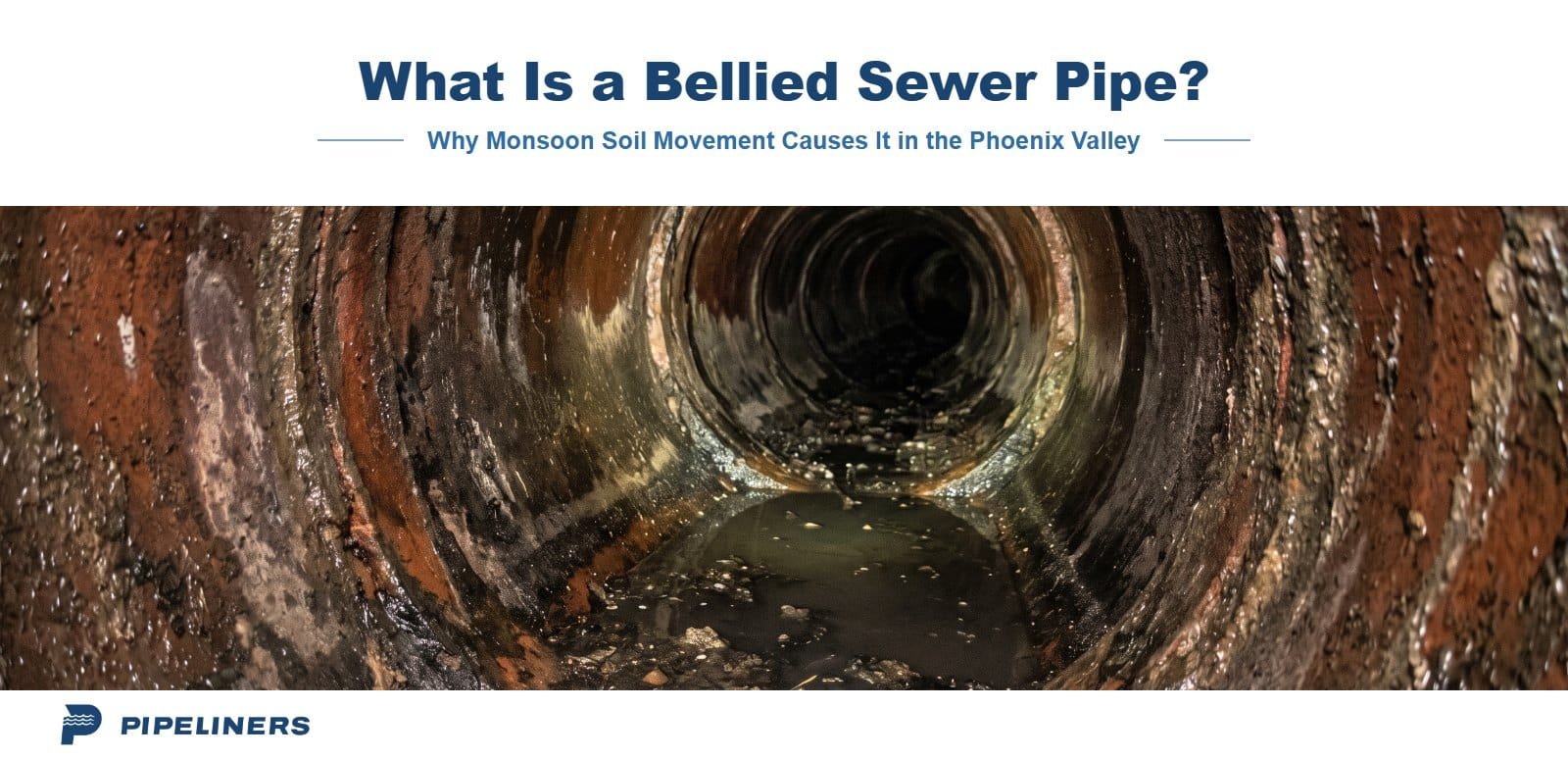
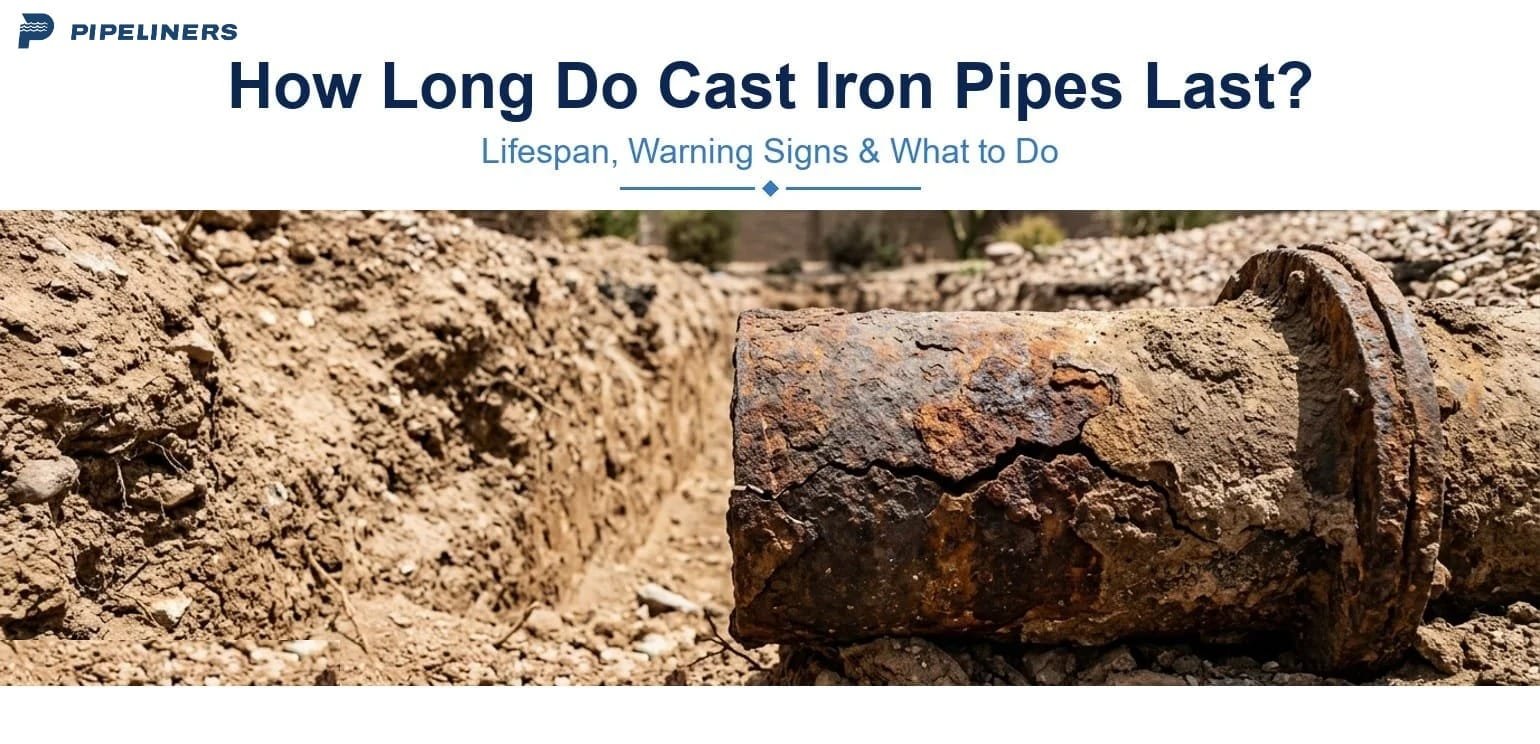
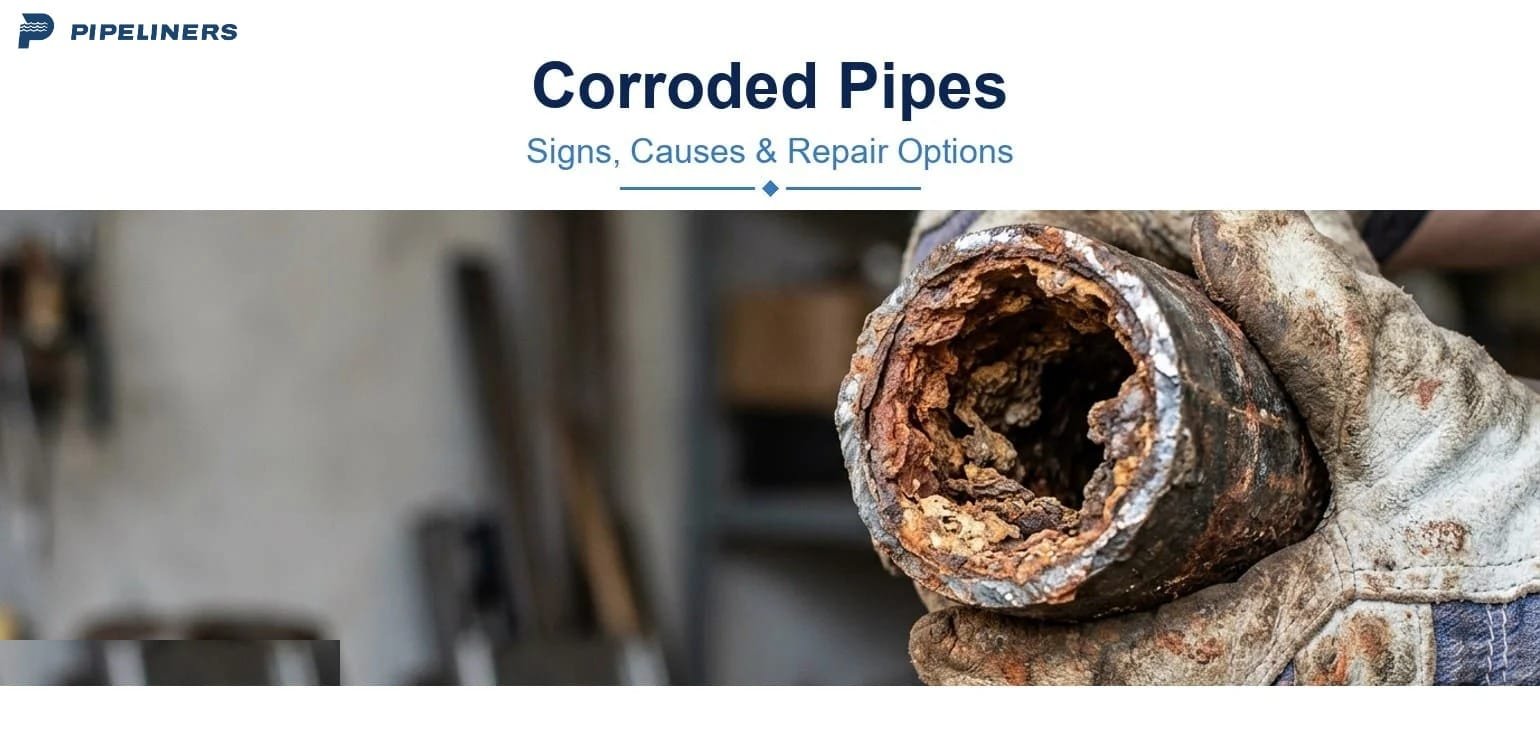
Industrial pipelines need cleaning because deposits steadily rob the line of capacity and drive up operating risk. As scale, grease, mineral deposits, and corrosion byproducts accumulate, the effective diameter shrinks, flow drops, and pumps work harder to push product through, which raises pressure and energy use. Left unaddressed, the same buildup leads to blockages, accelerated corrosion under deposits, and eventually failure. Professional cleaning restores full-bore flow, protects downstream equipment, and extends the service life of a line that is expensive and disruptive to replace.
What is pipeline pigging and how does it work?
Pipeline pigging is the practice of sending a device called a pig through a line to clean or inspect it from the inside. The pig is launched into the pipe and driven forward by the flow or pressure behind it, scraping and pushing deposits ahead of it as it travels. Because it works inside the pipe, pigging cleans long runs without excavation. The main types:
| Pig type | Primary job |
|---|---|
| Utility pigs | Scrape and sweep out scale, wax, and loose debris. |
| Foam pigs | Conform to varying diameters for light cleaning, drying, and product separation. |
| Specialty / brush pigs | Attack hardened scale and corrosion with brushes or blades. |
| Smart (in-line inspection) pigs | Carry sensors that measure wall loss, cracks, and geometry while passing through. |
According to the U.S. PHMSA, in-line inspection tools known as smart pigs use technologies such as magnetic flux and ultrasonics to detect and measure wall loss from corrosion, cracks, dents, and other anomalies, which is why cleaning and inspection programs are often planned together.
What other pipeline cleaning tools and methods are used?
Beyond pigging, most programs combine several methods matched to the deposit and pipe. No single tool is right for every line, so contractors select based on what the inspection reveals:
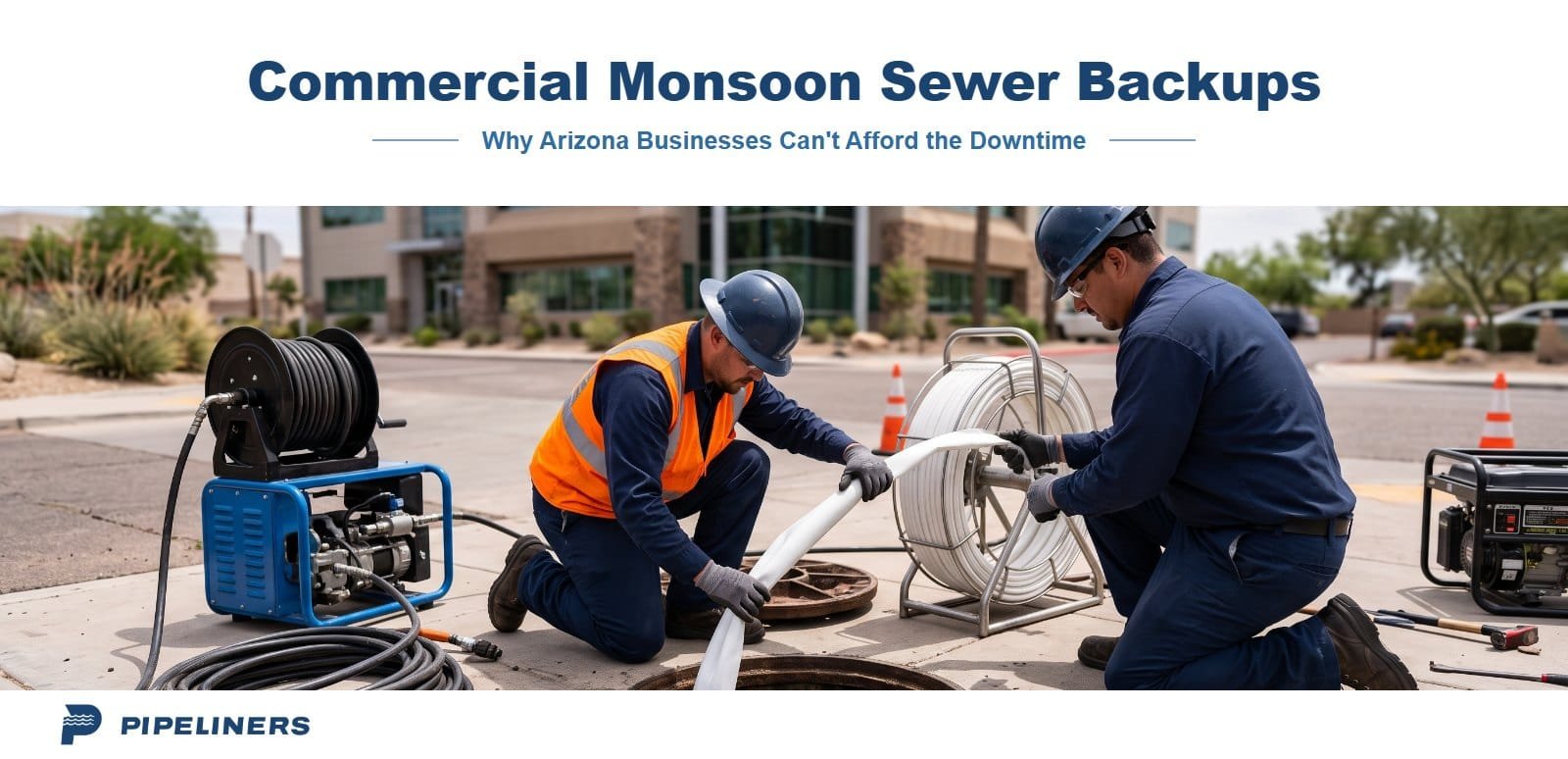
- Hydro-jetting. High-pressure water cuts grease, sediment, and scale, and it is especially effective in smaller lines. This is a core Pipeliners capability. See our hydro jetting service.
- Mechanical cutting and descaling. Rotating cutters and chains clear roots and hardened mineral deposits that water alone will not move.
- CCTV camera inspection. A crawler camera maps the line before and after cleaning to target the work and prove the result. Learn about our sewer camera inspection.
- Chemical cleaning. Used selectively for specific deposits when the pipe material and product allow it.
The strongest results come from combining methods, for example jetting to clear the bulk, mechanical descaling for the stubborn buildup, then a camera pass to verify.
Why choose trenchless cleaning and maintenance?
Trenchless cleaning and maintenance are preferred because they service the line from existing access points instead of excavating a long trench, which cuts cost and disruption. For a facility or municipal operator, that means less downtime, no torn-up parking lots or roadways, and a lower total project cost than dig-and-replace work. It also pairs naturally with trenchless pipe repair when the inspection turns up a section that needs rehabilitation, not just cleaning. Commercial operators across the Phoenix valley rely on this approach to keep critical lines in service.
How often should industrial pipelines be cleaned?
Industrial pipelines should be cleaned on a condition-based schedule rather than a fixed calendar or after a failure. The idea is simple: inspect the line on a set interval, track how fast buildup accumulates, and clean when it nears a threshold that would start restricting flow. This condition-based approach catches problems while they are cheap to fix and avoids both over-cleaning and the far costlier emergency of a blocked or failed line. The right interval depends on the product, the pipe material and diameter, and how quickly deposits form, so it is set from inspection history for each line.
Frequently asked questions
What is the difference between pigging and hydro-jetting?
Pigging drives a device through the line by flow or pressure to scrape deposits along long runs, while hydro-jetting uses high-pressure water to cut grease, scale, and sediment, and it excels in smaller-diameter lines. Many programs use both: pigging for long transmission runs and jetting for laterals and smaller commercial lines.
Are pipeline cleaning services non-invasive?
Yes. Modern industrial pipeline cleaning is largely trenchless, meaning it works from existing access points with little or no excavation. That keeps parking lots, roadways, and landscaping intact and greatly reduces downtime compared with digging up and replacing a line.
Do you offer commercial pipeline maintenance in the Phoenix valley?
Pipeliners serves commercial and municipal operators across the Phoenix metro with trenchless cleaning, hydro-jetting, and camera inspection. The best next step is a scoped inspection so we can match the method to your line and set a maintenance interval. Request a quote to get started.
How do you know a pipeline is clean after service?
Cleaning is verified with a post-clean CCTV inspection. A crawler camera runs the line to confirm deposits are removed, capacity is restored, and no defects were exposed, and the footage becomes part of the maintenance record used to plan the next interval.
Can cleaning catch problems before they cause a failure?
Yes. Because cleaning is inspection-led, the same camera or in-line inspection that guides the work also reveals corrosion, cracks, and thinning walls early. Catching those while they are minor is the entire point of condition-based maintenance and is far cheaper than an unplanned failure.
Protect your pipeline before flow becomes a problem
A planned cleaning and inspection program keeps critical lines flowing and pushes replacement years down the road. Request a maintenance quote from Pipeliners and we will scope your line, match the right method, and set a schedule that fits your operation.
By Jake Shaker, Pipeliners