How to Determine If You Have an Underground Water Leak
Underground water leaks, often known as slab leaks, pose a significant threat to the structural integrity and safety of your home or building. These leaks are notoriously difficult to detect early and can cause extensive damage to both property and personal possessions. Understanding the signs and symptoms of an underground water leak is crucial for any homeowner or building manager, allowing for timely intervention before issues escalate. Here’s how you can effectively identify if you’re facing this hidden hazard.
Recognizing the Signs of an Underground Water Leak
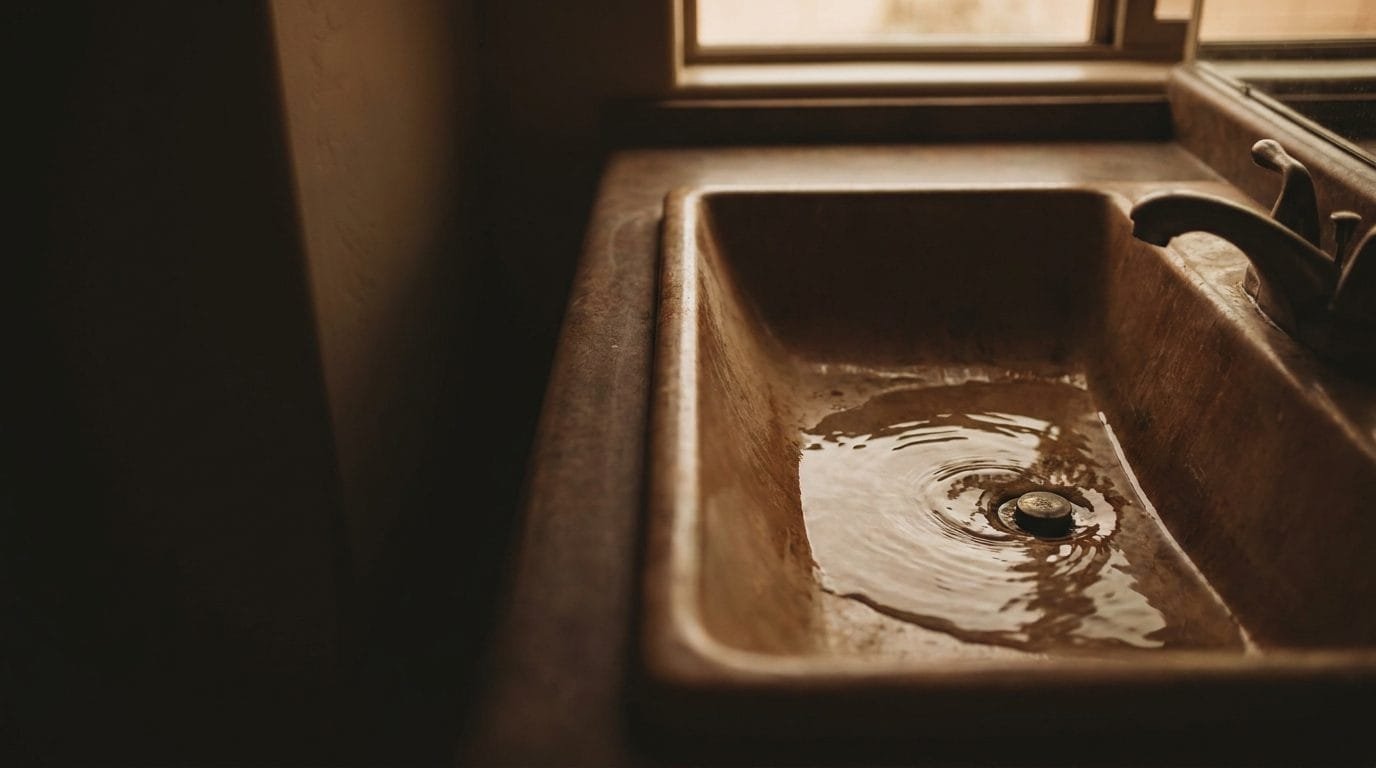
Low Water Pressure
A noticeable decrease in water pressure can be a clear indicator of an underground water leak. This drop might be isolated to one area or affect the entire building. If you experience a sudden loss of pressure without an obvious cause, it’s time to investigate further for potential leaks.
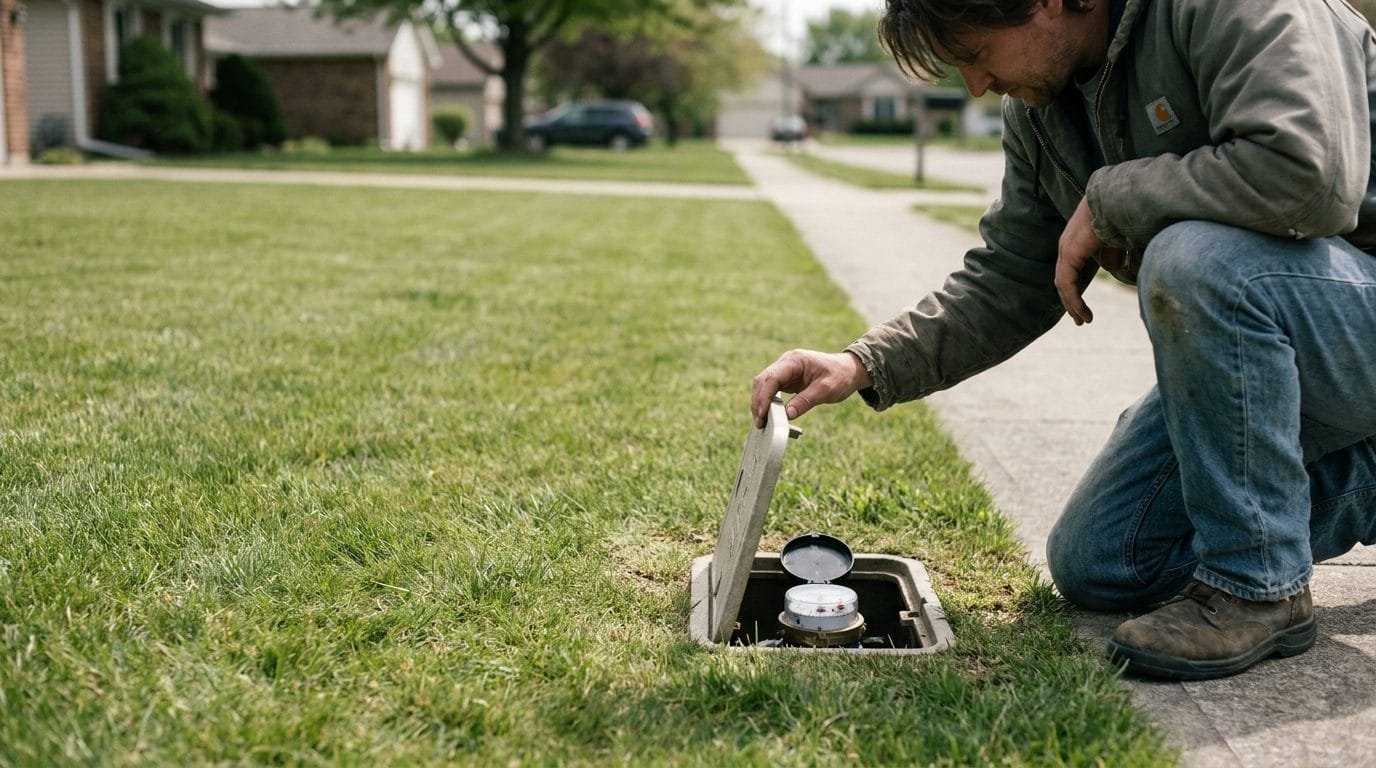
Monitoring Your Water Meter
One of the most straightforward methods to detect a leak is by observing your water meter. Turn off all water inside and ensure that appliances like dishwashers and washing machines are not in use. Watch the meter for any movement; if it changes while all water is off, this likely points to a leak. For a slow leak, check again after 30 minutes of having all water turned off.
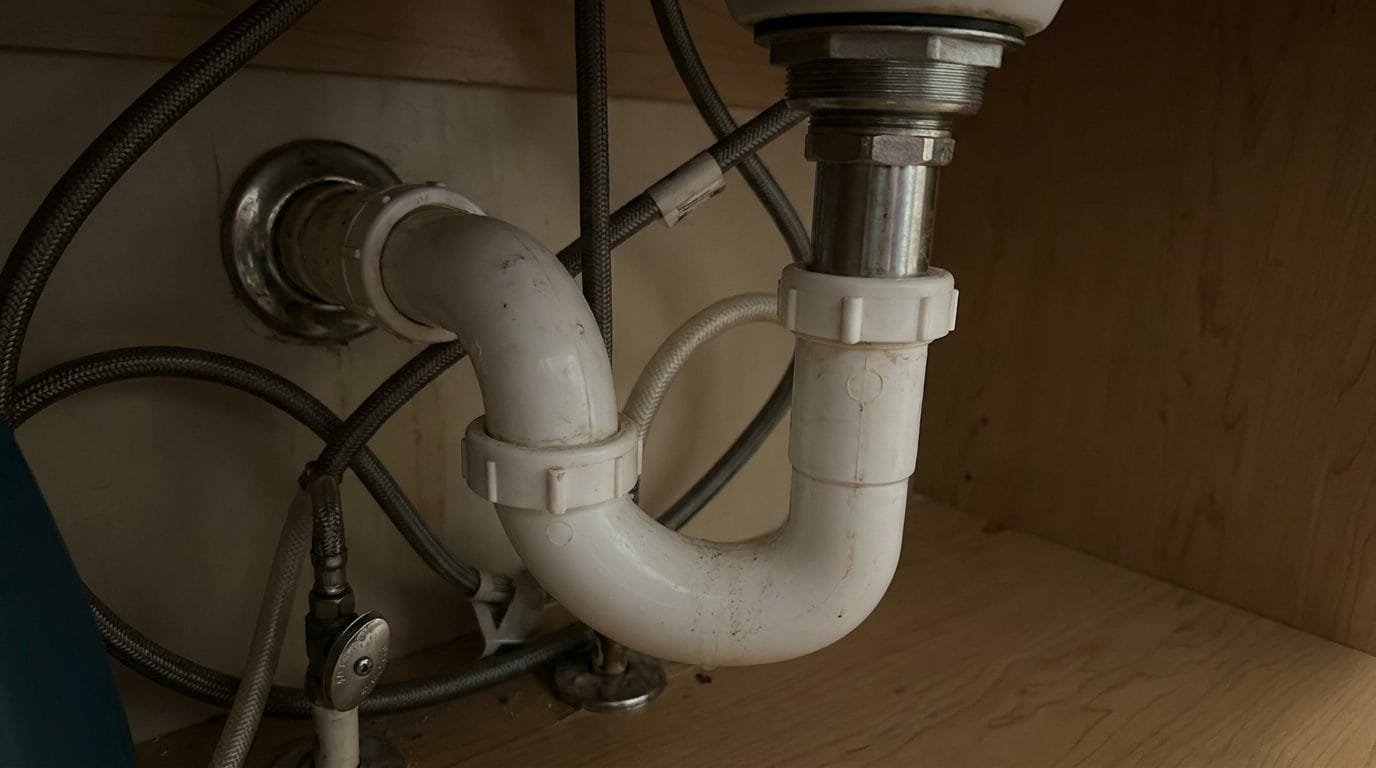
Unusual Increases in Water Bills
Keep an eye on your water bills. An unexpected increase in usage that doesn’t correlate with your actual consumption could suggest a leak. During colder months, a family of four should not exceed 12,000 gallons per month under normal circumstances. Significant deviations from this usage pattern warrant further investigation.
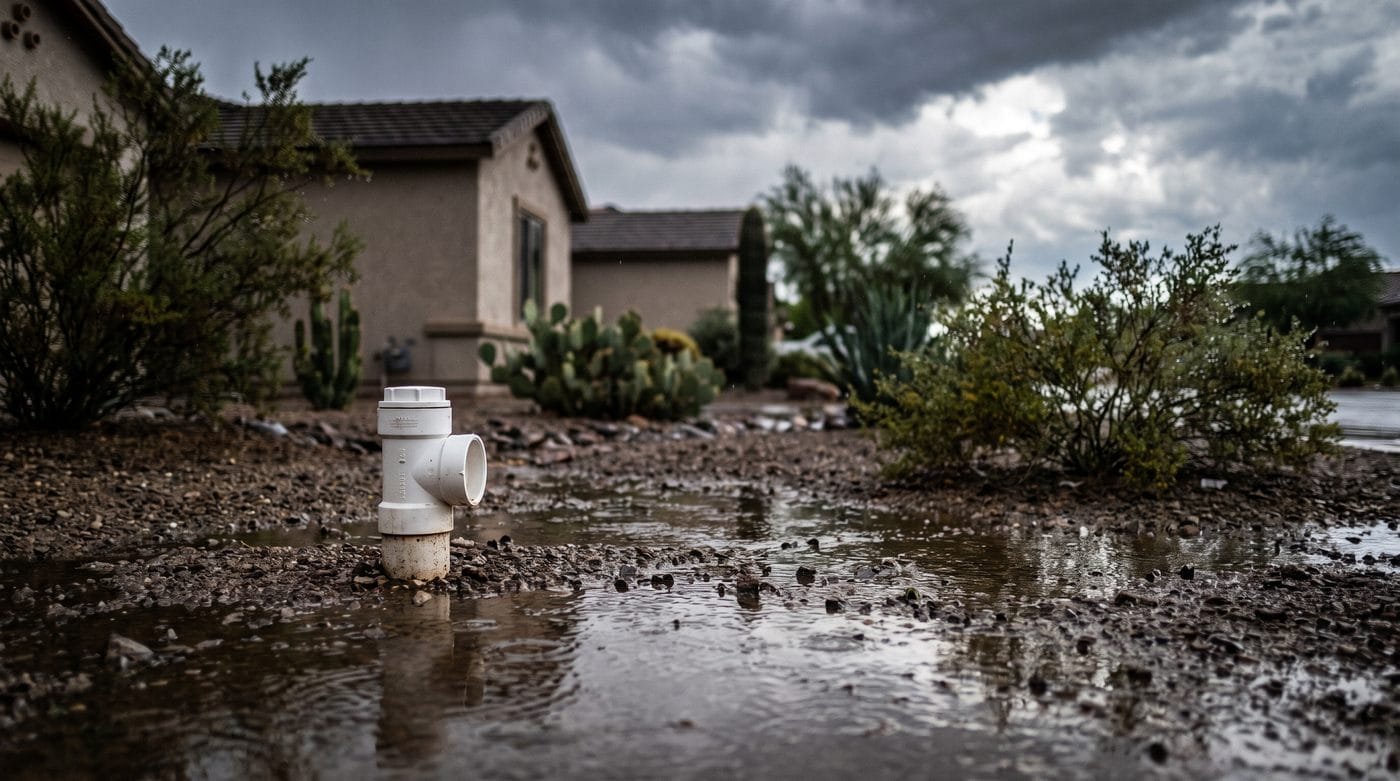
Puddles and Saturated Soil
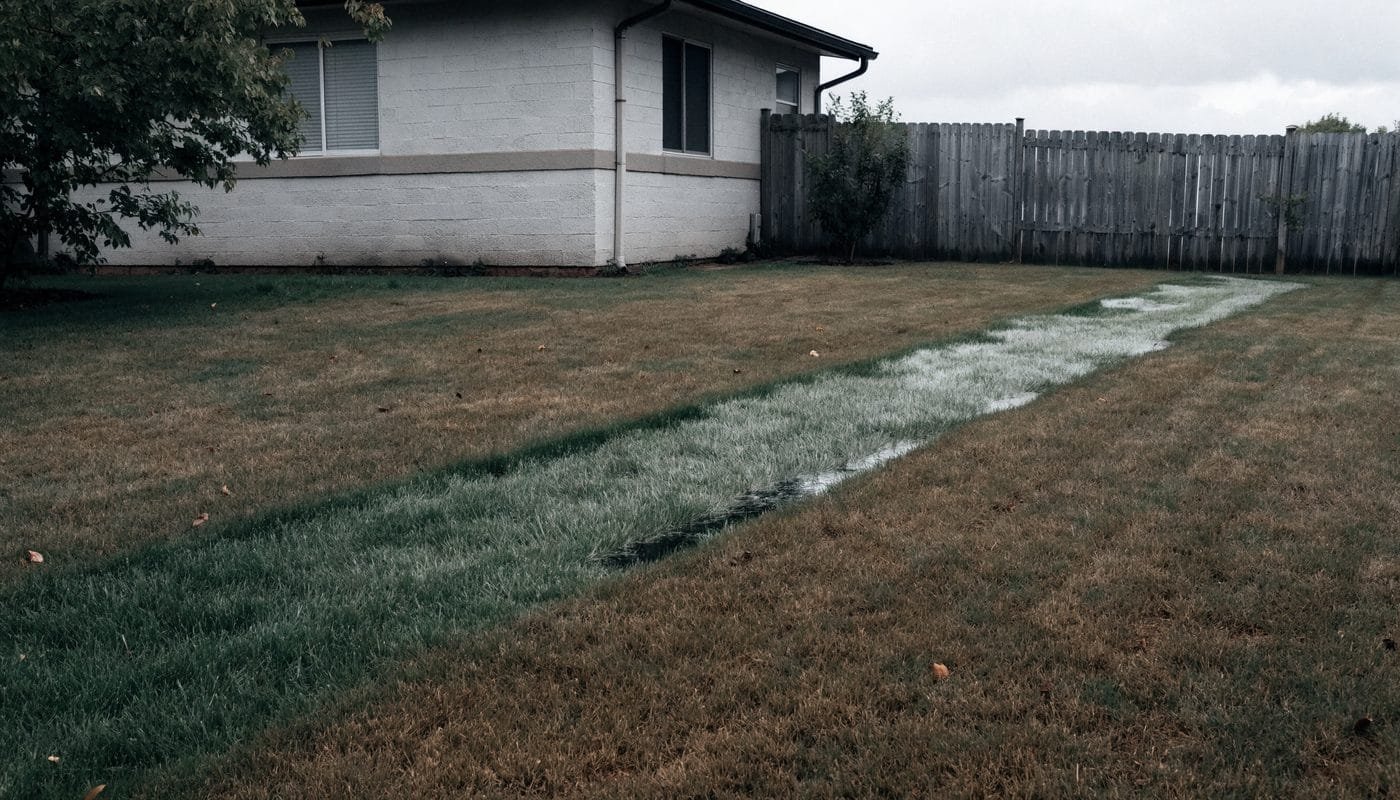
Any standing water in your yard or unusually soggy soil can indicate an underground leak. These symptoms are particularly suspect if there has been no recent rain. Over time, continuous leaking leads to soil saturation, which not only damages your lawn but can also undermine the structural foundation of nearby structures.
Foundation Cracks
Water leaks under your foundation can lead to visible cracks and damage. Regular inspections can help catch such changes early. If you discover new or expanding cracks, it’s crucial to get a professional assessment immediately.
Audible Water Noises
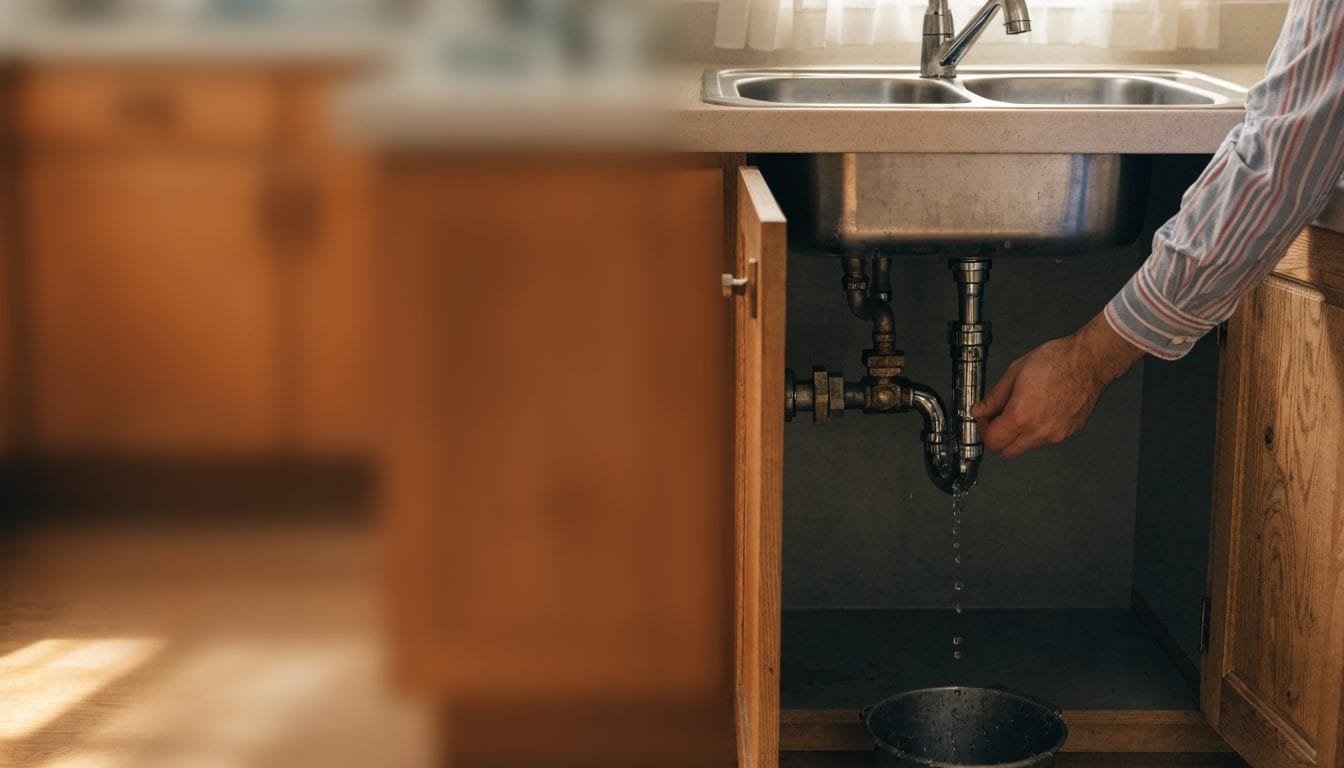
Sounds of running water when no taps are open, or unusual noises coming from the walls could point to a leak. Listen for dripping, hissing, or whistling sounds, which are common indicators of water escaping from pipes.
Damp Flooring or Walls
Persistent moisture in walls or floors, especially without an apparent source, is a red flag. This dampness can eventually lead to mold growth, further exacerbating health and safety issues in your home.
Responding to Suspected Leaks
If you suspect an underground water leak, it’s essential to act quickly to mitigate potential damage and avoid costly repairs. Start by consulting with a professional who can employ advanced leak detection technology to confirm the presence of a leak and pinpoint its location. Early detection is key to preventing the escalation of damage and maintaining the structural integrity of your property.
Explore Pipeliners’ Specialized Services
At Pipeliners, we focus on providing specialized, minimally invasive repair solutions for both supply and drainage water lines to protect your property and extend the life of your plumbing systems.
ePipe Epoxy Lining for Copper Water Pipes
Our ePipe epoxy lining service is designed to restore your copper water lines without the need for extensive excavation. This method not only seals existing leaks but also prevents future problems by protecting pipes from corrosion and degradation.
Trenchless CIPP for Drain Pipes
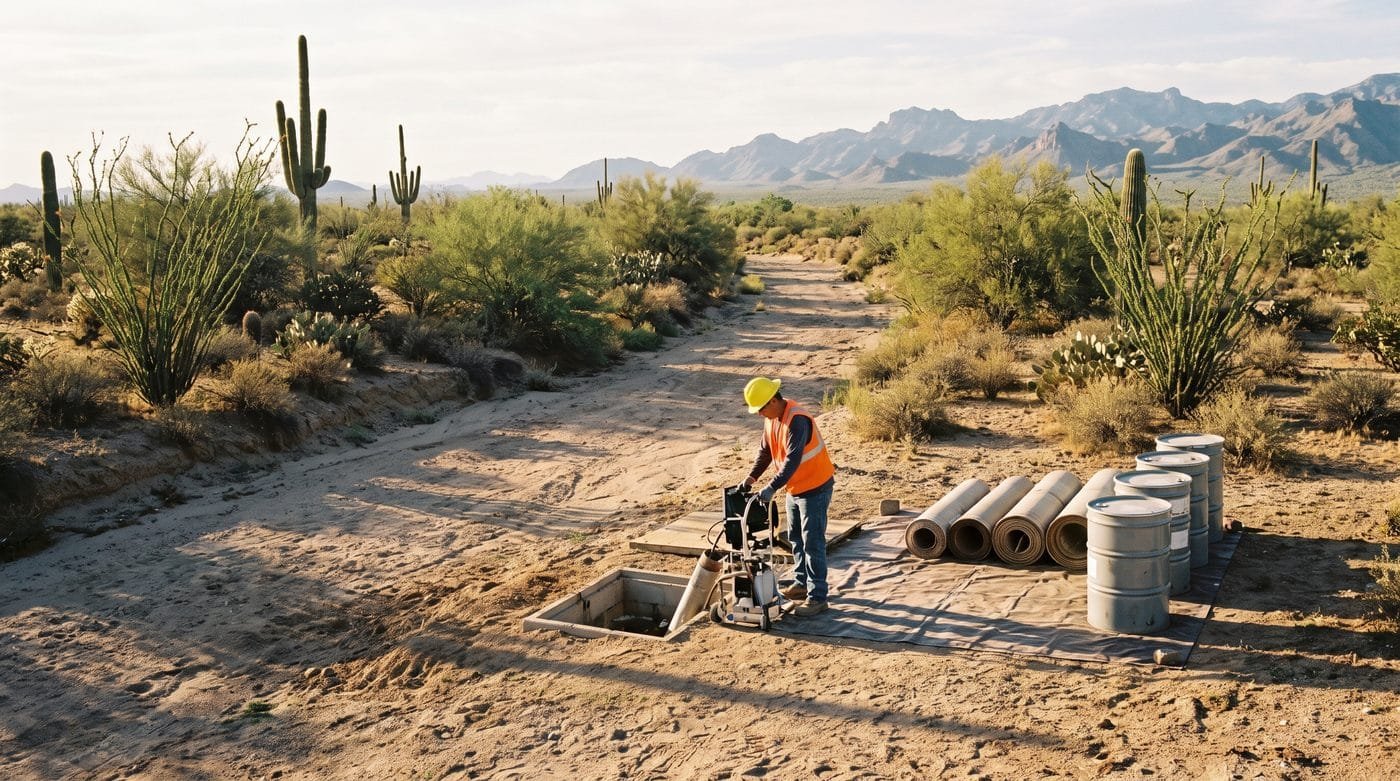
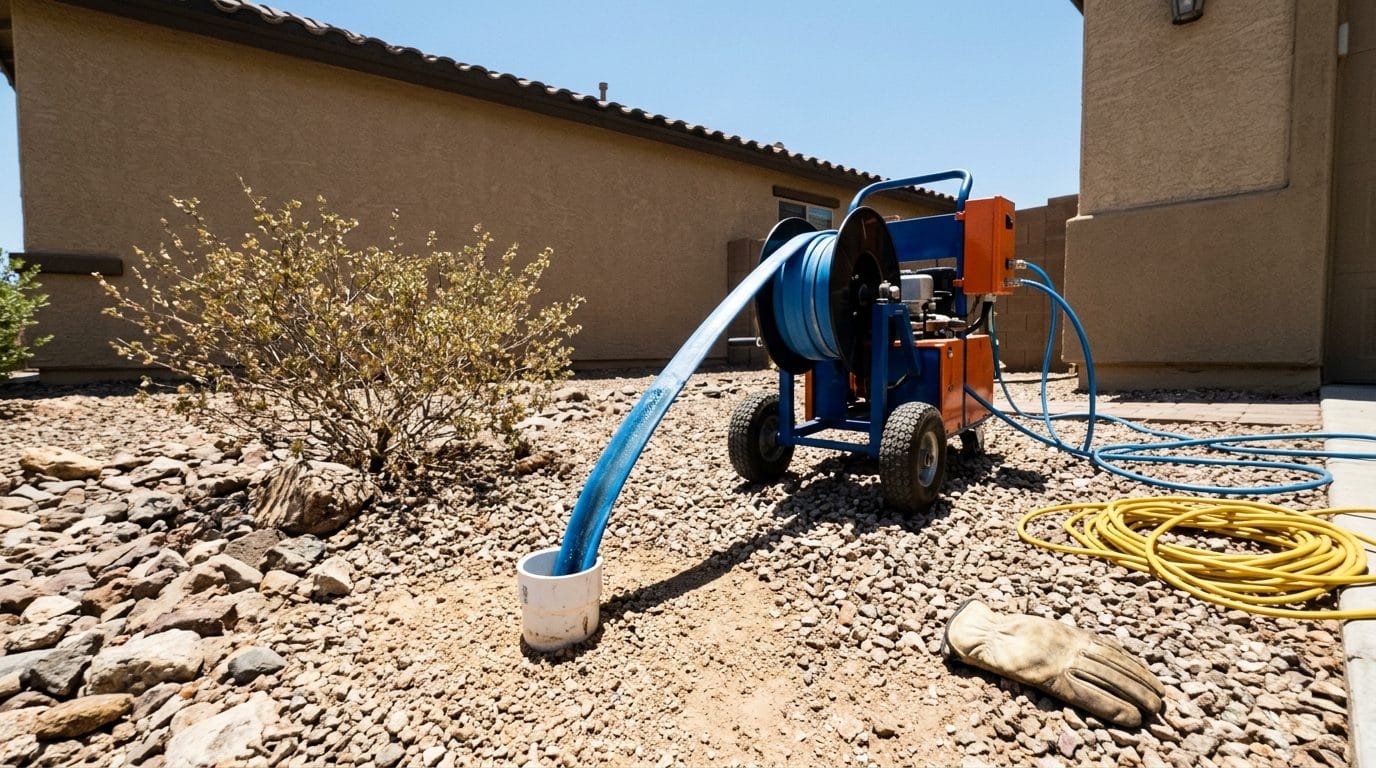
For drain lines, we offer a trenchless cured-in-place pipe (CIPP) solution that effectively repairs pipes from the inside out. This technology allows us to fix leaks and strengthen drain lines without disturbing your landscape or property structure.
Take Action to Secure Your Plumbing
If you’re experiencing signs of an underground water leak, don’t hesitate to reach out to us. Protect your home or building by choosing Pipeliners for efficient and reliable repairs.
Choose simplicity and efficiency with Pipeliners, and ensure your plumbing systems are in the best hands.
If you want to learn more about our trenchless drain pipe lining services, check out our page on HERE!
Learn more about our ePipe water pipe lining services here.
how to tell if you have a water leak underground, signs of underground water leak, how to find an underground water leak, how do i know if i have a water leak underground, underground water leaks, how does a plumber find a water leak underground, how to detect water leaks underground, ground water leak detection, detect underground water leak, how to detect an underground water leak, find underground water leak, how to find a water leak underground, how to find underground water leak, finding underground water leak, signs of underground water, how to find a underground water leak
Understanding the Causes of Underground Water Leaks
Underground water leaks can stem from various factors, including aging pipes, ground movement, and tree root intrusion. Over time, the materials used in plumbing systems can deteriorate, leading to cracks and leaks that are hidden beneath the surface. It's essential for homeowners to understand these causes to take preventive measures and maintain their plumbing systems effectively.
For instance, older homes with galvanized pipes are particularly susceptible to corrosion, which can weaken the structure of the pipes and lead to leaks. Additionally, environmental factors such as soil erosion or excessive moisture can shift the ground, putting pressure on pipes and increasing the likelihood of failure. Regular inspections can help identify these risks before they result in significant damage.
The Importance of Early Leak Detection
Detecting underground water leaks early is crucial to preventing extensive damage to your property. The longer a leak goes unnoticed, the more likely it is to cause structural issues, mold growth, and increased repair costs. Homeowners should be proactive in monitoring their plumbing systems and be aware of the signs of leaks.
For example, a small leak can lead to significant water loss over time, impacting your water bill and contributing to higher utility costs. Moreover, undetected leaks can create an environment conducive to mold, which poses health risks to occupants. Implementing regular checks and using technology for leak detection can save homeowners from future headaches and expenses.
Professional Leak Detection Methods
When it comes to identifying underground water leaks, professional leak detection methods can provide accurate and efficient solutions. Plumbers use advanced technology such as acoustic sensors, infrared cameras, and moisture meters to pinpoint leaks without invasive procedures. These methods are designed to minimize disruption to your property while ensuring thorough assessments.
For instance, acoustic leak detection involves listening for the sounds of water escaping from pipes, while infrared thermography can reveal temperature differences that indicate moisture presence. By employing these techniques, professionals can accurately locate leaks and recommend the most suitable repair solutions, ultimately saving time and money for homeowners.
Preventive Measures to Avoid Underground Water Leaks
Taking preventive measures can significantly reduce the risk of underground water leaks in your home. Regular maintenance of your plumbing system, including inspections and timely repairs, can help identify potential issues before they escalate. Homeowners should also be mindful of landscaping practices that may affect underground pipes.
For example, avoiding planting large trees close to plumbing lines can prevent root intrusion, which is a common cause of pipe damage. Additionally, monitoring soil conditions and ensuring proper drainage can help alleviate pressure on underground plumbing. By implementing these preventive strategies, homeowners can extend the life of their plumbing systems and reduce the likelihood of costly leaks.
how to tell if you have a water leak underground, signs of underground water leak, how to find an underground water leak, how do i know if i have a water leak underground, underground water leaks, how does a plumber find a water leak underground, how to detect water leaks underground, ground water leak detection, detect underground water leak, how to detect an underground water leak, find underground water leak, how to find a water leak underground, how to find underground water leak, finding underground water leak, signs of underground water, how to find a underground water leak
Understanding the Causes of Underground Water Leaks
Underground water leaks can stem from various factors, including aging pipes, ground movement, and tree root intrusion. Over time, the materials used in plumbing systems can deteriorate, leading to cracks and leaks that are hidden beneath the surface. It's essential for homeowners to understand these causes to take preventive measures and maintain their plumbing systems effectively.
For instance, older homes with galvanized pipes are particularly susceptible to corrosion, which can weaken the structure of the pipes and lead to leaks. Additionally, environmental factors such as soil erosion or excessive moisture can shift the ground, putting pressure on pipes and increasing the likelihood of failure. Regular inspections can help identify these risks before they result in significant damage.
The Importance of Early Leak Detection
Detecting underground water leaks early is crucial to preventing extensive damage to your property. The longer a leak goes unnoticed, the more likely it is to cause structural issues, mold growth, and increased repair costs. Homeowners should be proactive in monitoring their plumbing systems and be aware of the signs of leaks.
For example, a small leak can lead to significant water loss over time, impacting your water bill and contributing to higher utility costs. Moreover, undetected leaks can create an environment conducive to mold, which poses health risks to occupants. Implementing regular checks and using technology for leak detection can save homeowners from future headaches and expenses.
Professional Leak Detection Methods
When it comes to identifying underground water leaks, professional leak detection methods can provide accurate and efficient solutions. Plumbers use advanced technology such as acoustic sensors, infrared cameras, and moisture meters to pinpoint leaks without invasive procedures. These methods are designed to minimize disruption to your property while ensuring thorough assessments.
For instance, acoustic leak detection involves listening for the sounds of water escaping from pipes, while infrared thermography can reveal temperature differences that indicate moisture presence. By employing these techniques, professionals can accurately locate leaks and recommend the most suitable repair solutions, ultimately saving time and money for homeowners.
Preventive Measures to Avoid Underground Water Leaks
Taking preventive measures can significantly reduce the risk of underground water leaks in your home. Regular maintenance of your plumbing system, including inspections and timely repairs, can help identify potential issues before they escalate. Homeowners should also be mindful of landscaping practices that may affect underground pipes.
For example, avoiding planting large trees close to plumbing lines can prevent root intrusion, which is a common cause of pipe damage. Additionally, monitoring soil conditions and ensuring proper drainage can help alleviate pressure on underground plumbing. By implementing these preventive strategies, homeowners can extend the life of their plumbing systems and reduce the likelihood of costly leaks.