How Plumbers Use Cured-in-Place Pipe Lining to Avoid Digging and Demolition How Plumbers Use Cured-In-Place Pipe Lining to Avoid Digging and Demolition: The Ultimate No-Dig Sewer Repair Guide Cured-in-place pipe (CIPP) lining is a trenchless rehabilitation technique that creates a...
A sewer camera inspection is a non-invasive video diagnosis of your sewer lines that pinpoints blockages, fractures, and infiltration—saving time and avoiding guesswork for homeowners and property managers. This guide explains how sewer camera inspection near me searches translate into...
Common Causes of Sewer Line Problems in Phoenix, Arizona Phoenix sewer line problems can quickly become serious health hazards if they’re neglected. Your home’s sewer line quietly carries wastewater from toilets, sinks, and showers to the city sewer or a...
6 Proven Pipelining Methods Phoenix Homeowners Trust Trenchless pipelining refers to a set of techniques for repairing or replacing pipes from the inside, without digging long trenches or demolishing walls. Instead of excavating to remove old pipes, technicians rehabilitate them...
The Homeowner’s Guide to CIPP Lining in the Phoenix Valley When an underground sewer or drain pipe is cracked, corroded, or leaking, digging up your yard used to be the only solution. Cured-in-Place Pipe (CIPP) lining is a modern trenchless...
What causes pinhole leaks in copper pipes? Copper piping is a popular choice for home plumbing systems due to its durability and longevity. However, even the sturdiest materials can fall prey to certain issues, including the mysterious and troubling phenomenon...
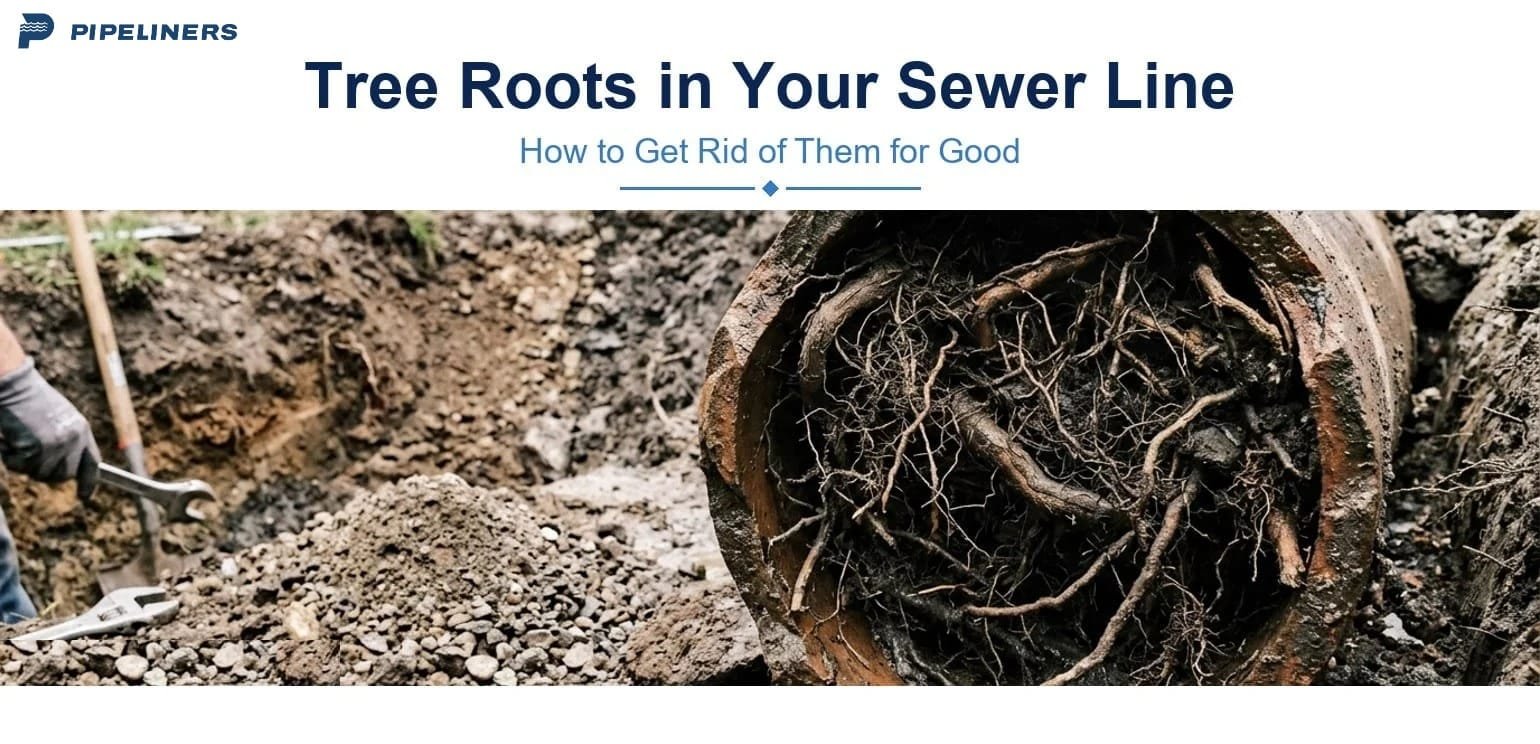
How to Identify Tree Roots in Your Sewer Line Trees add beauty and shade to your property, but they can also bring unexpected challenges, especially if their roots invade your sewer line. If you suspect that roots have infiltrated your...
14 Warning Signs Your Sewer Pipes May Be Leaking A sewer leak at your home or business is no laughing matter. Besides being highly unsanitary, it’s also extremely unpleasant! Hidden sewer leaks can be costly to repair and even more...
Most Common Sewer System Issues Sewer lines are essential to any property, ensuring the smooth flow of wastewater. However, these systems are prone to issues that can disrupt daily operations and pose significant challenges. Sewer system issues are often complex,...
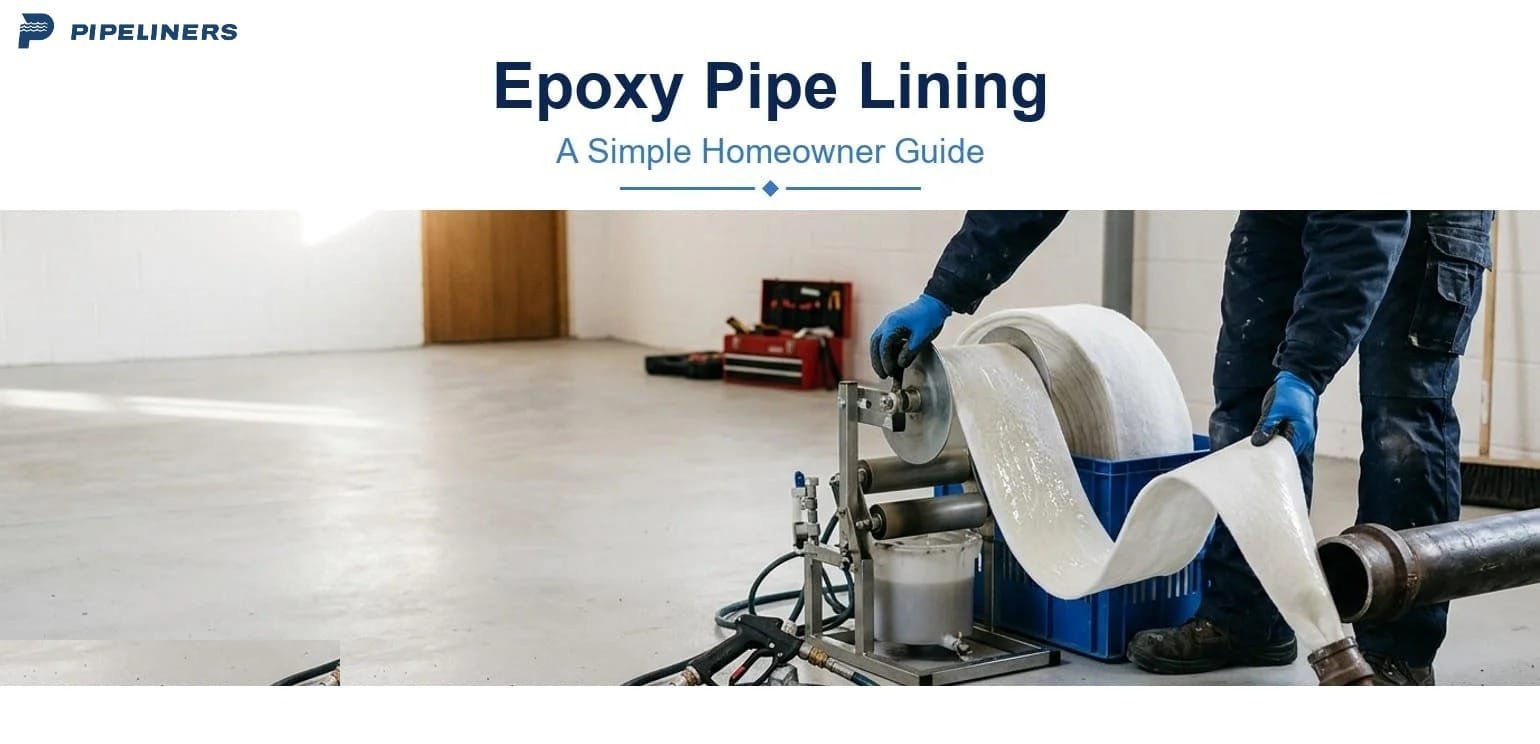
Pipe lining is a modern solution for repairing damaged pipes without the need for extensive excavation. This method involves inserting a resin-saturated liner into the existing pipe, which is then inflated and cured to form a new, durable pipe within the old one. Homeowners benefit from this non-invasive approach, which minimizes disruption and reduces repair costs.
One of the key advantages of pipe lining is its ability to restore the structural integrity of aging pipes while maintaining the original pipe's layout. This technique is particularly effective for residential plumbing systems, as it can address issues such as leaks, cracks, and corrosion without the mess and expense associated with traditional pipe replacement methods.
Cost Comparison: Pipe Lining vs. Traditional Repair Methods
When considering plumbing repairs, understanding the cost implications of different methods is crucial. Pipe lining, while initially appearing more expensive than traditional methods, often proves to be more cost-effective in the long run due to its durability and the reduced need for future repairs. This section will help homeowners evaluate the financial aspects of each option.
For instance, traditional pipe replacement can involve significant labor costs due to excavation and restoration of landscaping, whereas pipe lining typically requires less labor and results in less disruption. Homeowners should weigh these factors when making decisions about their plumbing repairs to ensure they choose the most economical solution.
Signs You Need Pipe Repair: How to Recognize Issues Early
Recognizing the signs of plumbing issues early can save homeowners from costly repairs down the line. Common indicators that you may need pipe repair include slow drains, unusual odors, and wet spots in your yard or around your home. This section will provide a comprehensive list of symptoms to watch for, empowering homeowners to act promptly.
Additionally, understanding these signs can lead to timely interventions that prevent more severe damage. For example, a small leak can quickly escalate into a significant problem if left unaddressed, resulting in water damage and increased repair costs. Homeowners should familiarize themselves with these warning signs to maintain the health of their plumbing systems.
Expert Tips for Maintaining Your Plumbing System
Regular maintenance is essential for prolonging the life of your plumbing system. Simple practices, such as avoiding flushing non-biodegradable items and using drain screens, can significantly reduce the risk of clogs and other plumbing issues. This section will offer practical tips to help homeowners keep their plumbing in optimal condition.
Moreover, scheduling routine inspections and maintenance with a professional plumber can help identify potential problems before they escalate. By investing in preventive care, homeowners can ensure that their plumbing systems function efficiently and avoid the inconvenience and costs associated with emergency repairs.
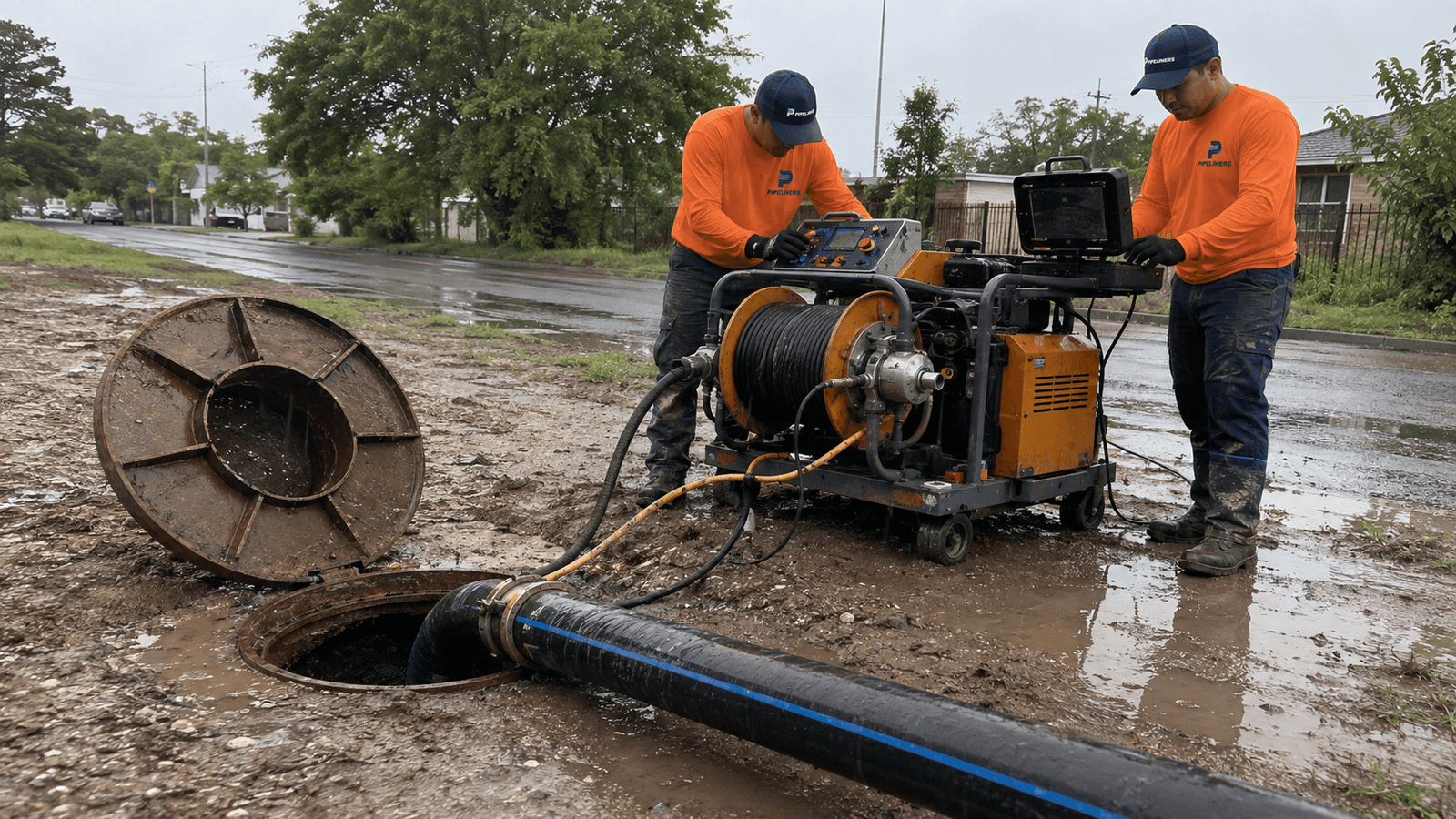
Pipe lining is a modern solution for repairing damaged pipes without the need for extensive excavation. This method involves inserting a resin-saturated liner into the existing pipe, which is then inflated and cured to form a new, durable pipe within the old one. Homeowners benefit from this non-invasive approach, which minimizes disruption and reduces repair costs.
One of the key advantages of pipe lining is its ability to restore the structural integrity of aging pipes while maintaining the original pipe's layout. This technique is particularly effective for residential plumbing systems, as it can address issues such as leaks, cracks, and corrosion without the mess and expense associated with traditional pipe replacement methods.
Cost Comparison: Pipe Lining vs. Traditional Repair Methods
When considering plumbing repairs, understanding the cost implications of different methods is crucial. Pipe lining, while initially appearing more expensive than traditional methods, often proves to be more cost-effective in the long run due to its durability and the reduced need for future repairs. This section will help homeowners evaluate the financial aspects of each option.
For instance, traditional pipe replacement can involve significant labor costs due to excavation and restoration of landscaping, whereas pipe lining typically requires less labor and results in less disruption. Homeowners should weigh these factors when making decisions about their plumbing repairs to ensure they choose the most economical solution.
Signs You Need Pipe Repair: How to Recognize Issues Early
Recognizing the signs of plumbing issues early can save homeowners from costly repairs down the line. Common indicators that you may need pipe repair include slow drains, unusual odors, and wet spots in your yard or around your home. This section will provide a comprehensive list of symptoms to watch for, empowering homeowners to act promptly.
Additionally, understanding these signs can lead to timely interventions that prevent more severe damage. For example, a small leak can quickly escalate into a significant problem if left unaddressed, resulting in water damage and increased repair costs. Homeowners should familiarize themselves with these warning signs to maintain the health of their plumbing systems.
Expert Tips for Maintaining Your Plumbing System
Regular maintenance is essential for prolonging the life of your plumbing system. Simple practices, such as avoiding flushing non-biodegradable items and using drain screens, can significantly reduce the risk of clogs and other plumbing issues. This section will offer practical tips to help homeowners keep their plumbing in optimal condition.
Moreover, scheduling routine inspections and maintenance with a professional plumber can help identify potential problems before they escalate. By investing in preventive care, homeowners can ensure that their plumbing systems function efficiently and avoid the inconvenience and costs associated with emergency repairs.