
Common Causes of Sewer Line Problems in Phoenix, Arizona
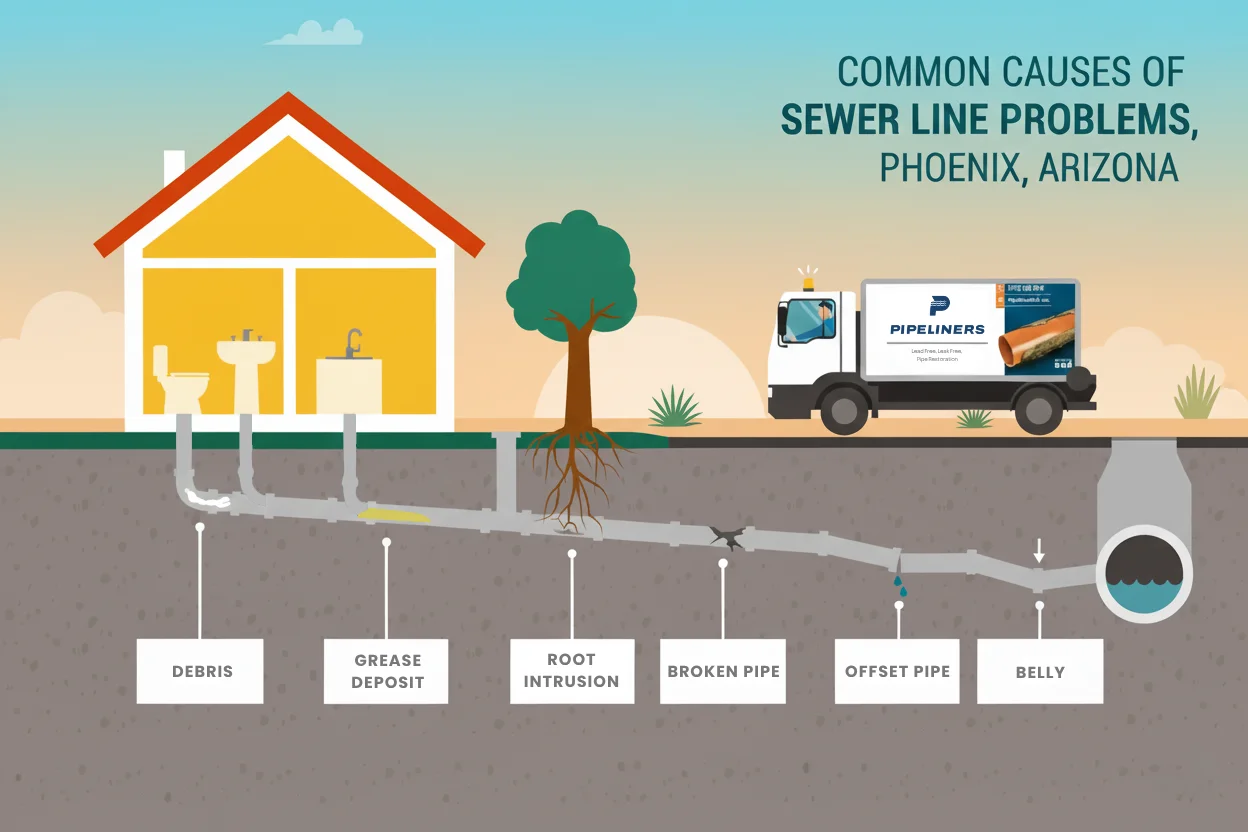
Phoenix sewer line problems can quickly become serious health hazards if they’re neglected. Your home’s sewer line quietly carries wastewater from toilets, sinks, and showers to the city sewer or a septic system, so when it cracks or clogs, raw sewage may back up into the house or seep into the ground. In the Valley’s hot, dry climate, grease congeals faster than you might expect, and many neighborhoods still depend on aging pipes that are prone to cracks and tree root intrusion. Understanding the common causes of Phoenix sewer line problems and learning to spot early warning signs will help you protect your property and avoid costly repairs.
How Sewer Lines Work
Before discussing the common causes of problems, it helps to understand the basic layout. In most houses the sewer line slopes slightly downward from the main waste stack in the home to the municipal sewer main. Gravity carries waste and water through the lateral pipes to the main. Anything that slows or blocks this flow causes waste to settle in the pipe. Over time, blockages or structural defects may allow water to leak out, which attracts roots and causes soil erosion. These conditions lead to collapses, sags and backups.
1. Debris and Improperly Flushed Items
One of the simplest yet most frequent causes of sewer problems is debris. Hair, food scraps, paper products and small objects often combine to form blockages. Hair binds with grease and soap scum and creates clumps that slow drains. Soap scum (formed when body soap combines with minerals and grease) sticks to pipe walls and narrows the pipe. Dirt and food waste washed down sinks, including tea leaves and coffee grounds, do not break down easily and build up. Flushing wipes exacerbates the problem: many wipes labelled “flushable” do not disintegrate like toilet paper and accumulate in sewer systems, leading to slow drains and backups. Other objects, such as toys or toiletries accidentally flushed by children, can lodge in bends or join other debris, causing a blockage.

Prevention tips:
- Use drain screens to catch hair and food particles.
- Never pour coffee grounds, grease or oil down the sink.
- Place wipes, diapers, feminine hygiene products and other non‑flushable items in the trash.
- Inform household members about proper disposal habits.
2. Grease, Fats and Oils
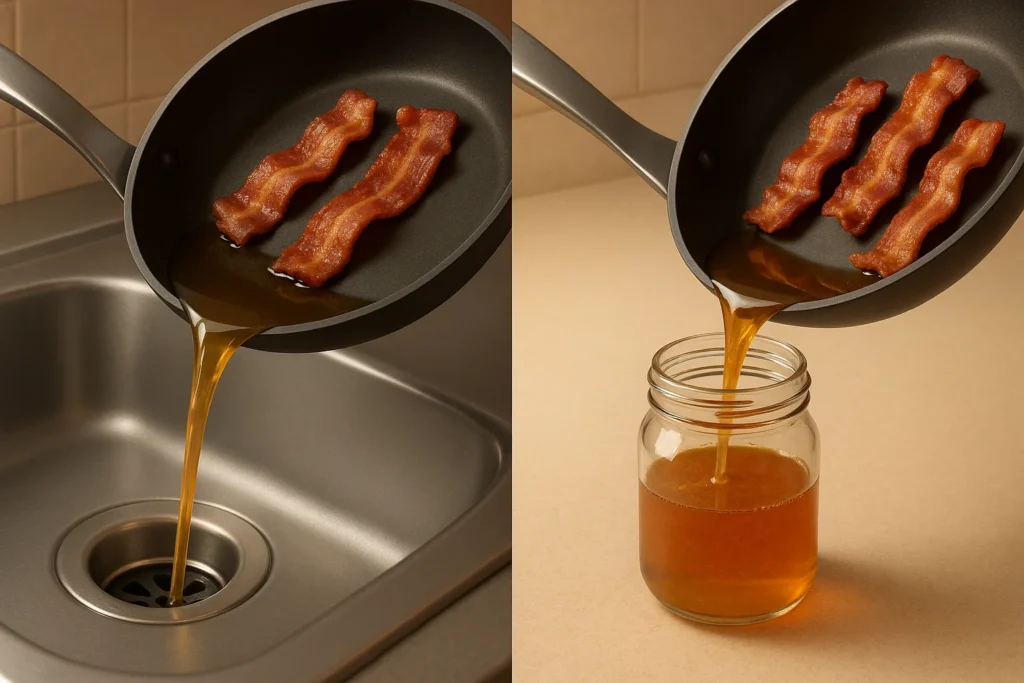
Grease, fats and oils are a major cause of sewer line problems in Phoenix. The City of Phoenix Water Services Department notes that coagulated grease is the biggest problem found in city sewer lines. When grease and cooking oils cool, they congeal and adhere to pipe walls, narrowing the passage and trapping other debris. Eventually the buildup blocks the line and causes wastewater to back up into homes or overflow onto streets. In hot climates like Phoenix, fats melt quickly but also re‑solidify as they cool underground, forming thick deposits.
Prevention tips:
- Pour cooled cooking grease into a sealed container and dispose of it in the trash.
- Wipe oily pans with paper towels before washing.
- Use strainers in kitchen sinks to trap food particles.
- Educate tenants or family members that running hot water while pouring grease does not prevent clogs; the grease will still solidify further down the line.
3. Root Intrusion
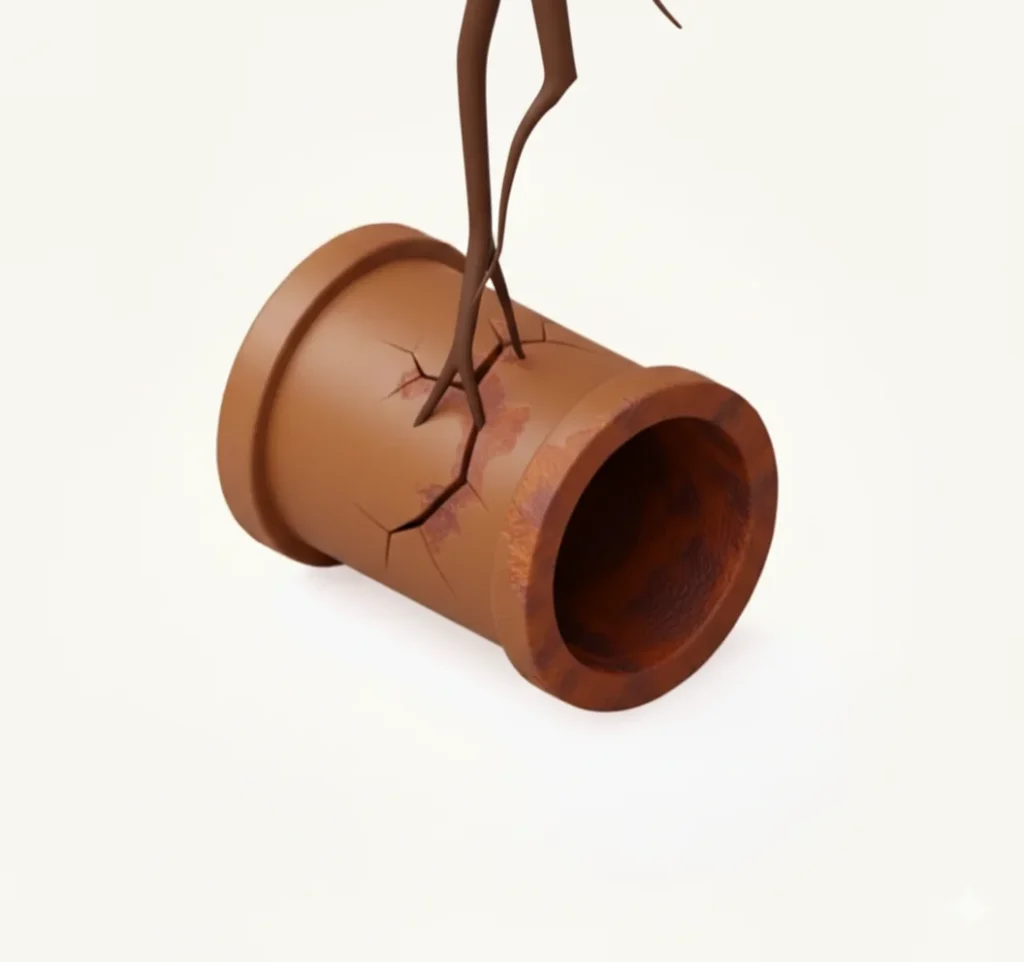
Trees thrive in Phoenix’s semi‑arid climate by sending out roots in search of water. Sewer pipes provide a constant source of moisture, warmth and nutrients. According to the City of Phoenix, roots from oleanders and other invasive shrubs are the second biggest cause of sewer problems. Roots enter through joints or small cracks and grow inside the pipe, forming masses that trap debris and obstruct flow. Articles aimed at homeowners warn that tree roots are attracted by the moisture in pipes and will dig into them, causing damage. As the roots expand, they widen existing cracks and may break the pipe entirely.
Common signs of root intrusion include unpleasant odors around drains, gurgling sounds in toilets, slow drainage and lush green patches in the yard over the line. If left untreated, root intrusion can lead to complete blockage, sewage backups and pipe collapse.
Prevention tips:
- Avoid planting fast‑growing or water‑seeking trees (oleander, willow, mulberry, mesquite) directly above sewer laterals.
- Install root barriers or choose drought‑tolerant species with less aggressive roots.
- Schedule periodic sewer camera inspections, especially in older neighborhoods, to catch early signs of root intrusion.
- If roots have penetrated, a plumbing professional may use root cutting blades followed by structural repairs or lining to prevent regrowth.
4. Broken, Corroded or Obsolete Pipes
Many Phoenix homes built before the 1980s still have older pipe materials that are now failing. These materials are prone to corrosion, cracks and collapse.
Cast Iron
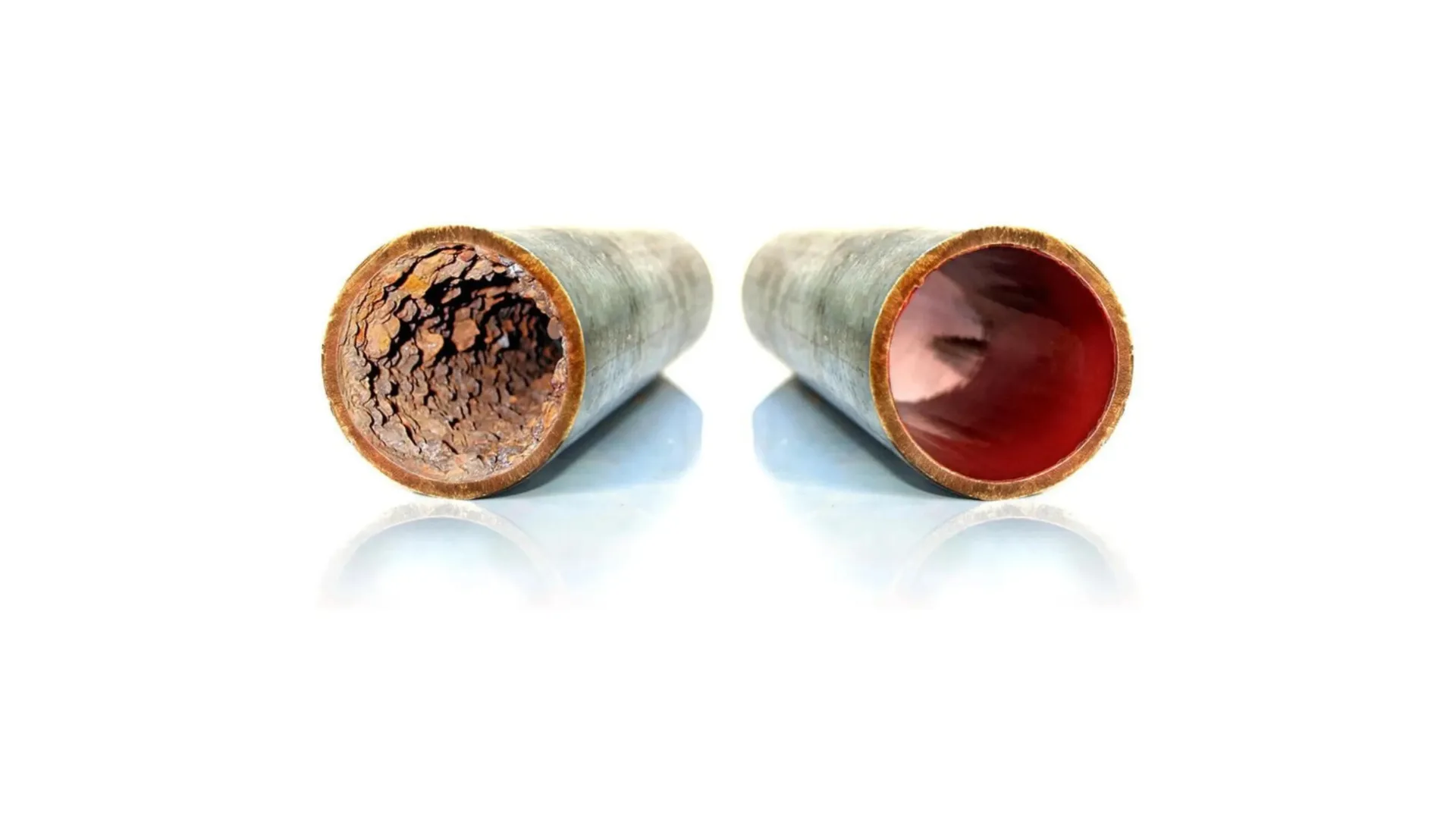
Cast iron was widely used until the 1960s. Cactus Plumbing & Air explains that cast iron pipes rust and corrode over time, both inside and outside. Oxidation creates rough surfaces that trap debris, leading to blockages. As corrosion progresses, pipes become brittle and are more likely to crack or leak under pressure from soil movement or temperature changes. Tree roots can exploit these openings and force their way inside, breaking the pipe.
Clay and Orangeburg Pipe
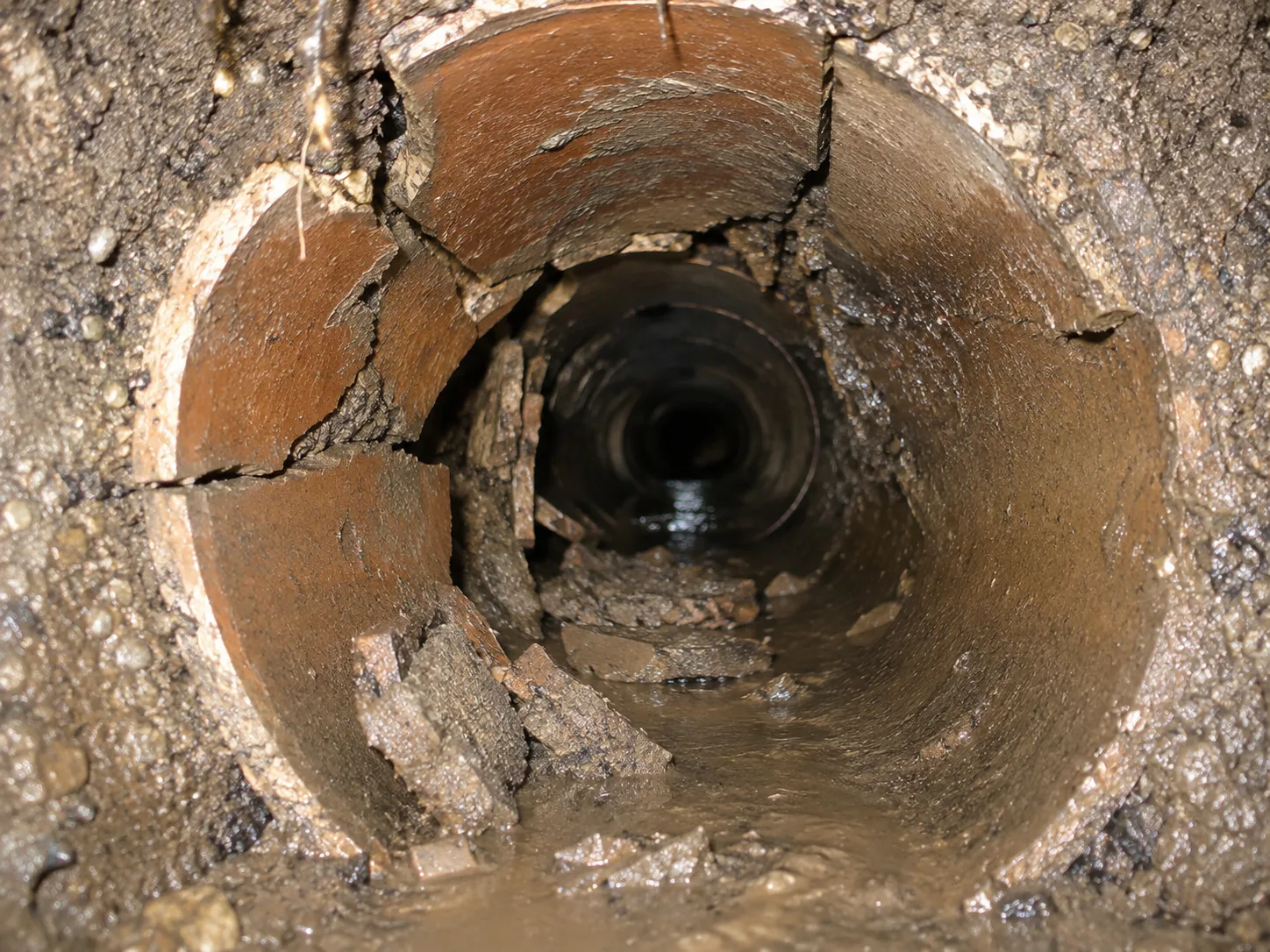
Clay pipes are fairly durable but prone to cracking at joints and allow roots to infiltrate. An even greater concern is Orangeburg pipe, a fibre pipe made from asphalt‑impregnated wood pulp. Existing Orangeburg pipes are fragile and often delaminate or break. Orangeburg was marketed as a cheap alternative during WWII but proved unreliable; by the 1970s, it was considered flimsy and prone to breaks and collapses. Because they absorb moisture, Orangeburg pipes also attract roots, causing rapid deterioration. They typically fail in less than 50 years, meaning any remaining Orangeburg lines are effectively ticking time bombs.
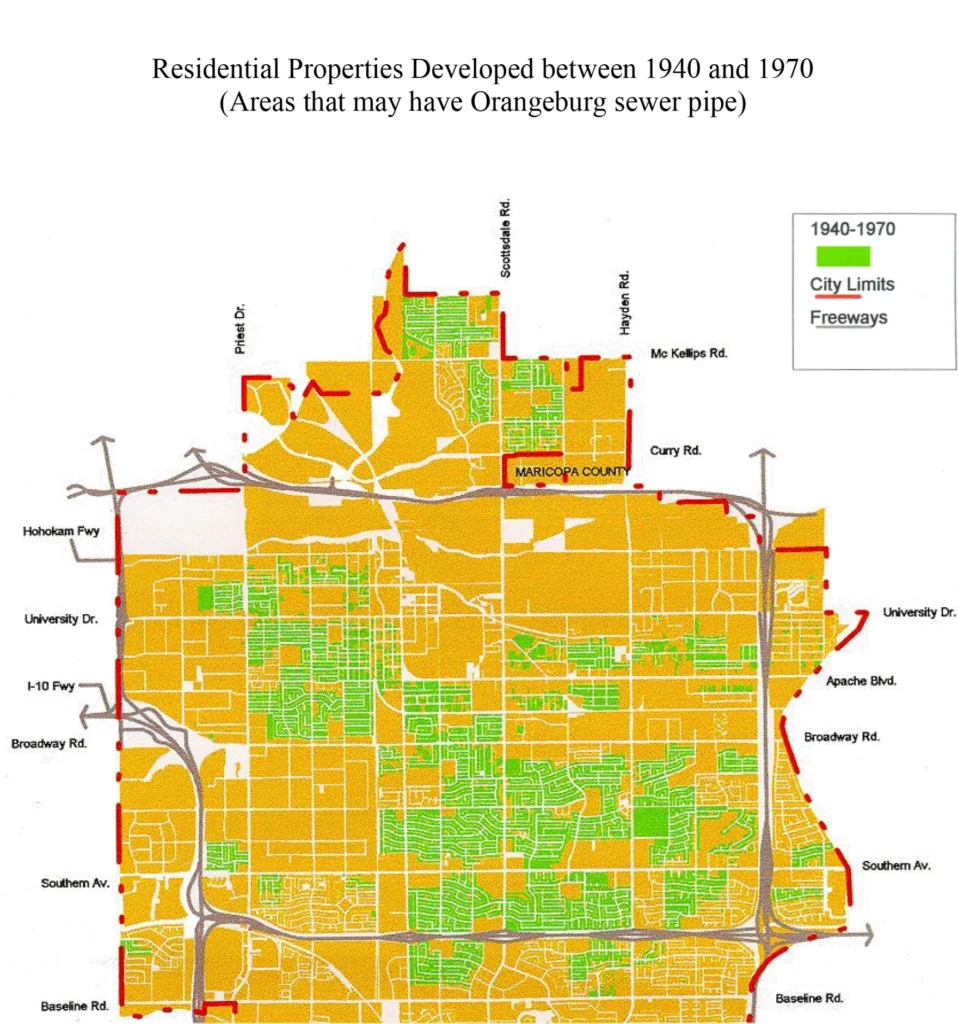
City of Tempe. “Residential properties developed between 1940 and 1970 (Areas that may have Orangeburg sewer pipe).” In Vaughan Jones, Officials: Tempe plagued with deteriorating sewage pipes, KJZZ, June 4 2022. Link to article here.
Aging Infrastructure and Corrosion
Regardless of material, pipes eventually weaken. NuFlow Phoenix warns that corroded pipes deteriorate over time, leading to leaks and blockages. Age, soil conditions and chemical exposure (such as from acidic soils or cleaning agents) accelerate corrosion. When pipes corrode, tiny holes form and allow wastewater to leak into soil, inviting roots and undermining the pipe.
Prevention tips:
- If your home predates the 1980s, have the sewer line inspected to determine the pipe material.
- Replace cast iron, clay or Orangeburg pipes with PVC or other modern materials.
- For corroded metal lines, consider trenchless pipe lining or bursting to restore structural integrity without extensive digging.
- Annual sewer camera inspections can reveal corrosion or cracks before they cause major failures.
5. Offset Pipes and Misaligned Joints
An offset joint is a misalignment between two sections of pipe. Seattle Public Utilities explains that offset joints let soil and debris build up inside the pipe, which can eventually lead to sewer backups, and that when a joint is exposed, the soil around the pipe can wash away and leave voids that may turn into sinkholes. Causes include ground movement or soil shifts (common in areas with expansive clay or poorly compacted soil), poor installation, tree root intrusion and age‑related deterioration. In Phoenix, shifting soils during monsoon storms or drought can destabilize pipes. Signs of an offset include frequent clogs, gurgling sounds, foul odors, soggy patches or sinkholes in the yard, and sewage backups.
Prevention tips:
- Ensure that new sewer installations are performed by licensed plumbers who properly align and bed the pipes.
- Avoid heavy machinery or parking over sewer lines, which may cause joints to shift.
- During remodels or additions, have sewer lines checked for proper slope and alignment.
- Repair offsets using trenchless methods, such as pipe bursting or sectional replacement, to re‑establish proper flow.
6. Sewer Line Bellies (Sags)
A sewer belly is a sagging section of pipe where waste pools rather than flowing downhill. Custom Plumbing of Arizona describes bellies as dips that disrupt the slope and allow solids to settle. Causes include soil settling (often due to improper soil compaction during construction), seasonal temperature changes, excessive rain, and tree roots pushing down on the pipe. Beehive Plumbing notes that bellies can also result from ground shifting, poor installation, changes in soil composition, or erosion. Over time, debris accumulates in the sag, leading to recurring clogs and backups. Common symptoms include slow drains, foul odors, gurgling noises, sewage overflows and lush green spots where sewage leaks.
Prevention tips:
- During new construction, ensure proper soil compaction and pipe bedding.
- Avoid planting large trees directly over sewer lines.
- Address drainage issues around the property to reduce soil movement (install gutters, improve grading).
- Repair bellies by replacing the affected section or installing pipe lining to restore continuous slope.
7. Climate and Soil Factors in Phoenix
Phoenix’s unique environment amplifies these sewer line issues:
- Arid climate and temperature extremes: High summer temperatures can cause plastic pipes to expand and contract. When followed by cooler nighttime temperatures, this thermal cycling stresses joints and may lead to small cracks. Combined with the tendency for grease to congeal quickly, Phoenix’s heat makes proper disposal of fats and oils critical.
- Monsoon season: Intense summer thunderstorms bring heavy rainfall that can compact soil unevenly and lead to erosion, causing pipes to shift, sag or break. Poorly compacted backfill around sewer lines is especially vulnerable to wash‑outs during monsoons.
- Expansive soils: Some Phoenix neighborhoods sit on clay soils that swell when wet and shrink when dry. This constant expansion and contraction can put pressure on pipes, resulting in offsets or bellies.
- Hard water: Phoenix’s water is mineral‑rich. Calcium and magnesium deposits (scale) can build up on pipe interiors, narrowing them and promoting clogs. Combining hard water scale with grease or soap scum accelerates blockages.
Understanding these local factors helps homeowners appreciate why maintenance and periodic inspections are especially important in the Valley of the Sun.
Recognizing Signs of Sewer Line Problems
Early detection can save thousands of dollars in repairs. Common signs of sewer trouble include:
- Multiple slow drains or frequent clogs in different fixtures.
- Gurgling sounds or bubbling toilets when other fixtures are used.
- Foul odors coming from drains or the yard.
- Sewage backups in tubs or floor drains, especially after flushing a toilet or running the washing machine.
- Lush patches of grass or unexplained wet spots in the yard above the sewer line, indicating leaks.
- Sudden sinkholes or depressions in the yard over the line.
- Increased pest activity, as rodents and insects are attracted to leaking sewage.
If any of these symptoms appear, contact a professional plumber for an inspection. Delay can allow minor issues to develop into major repairs.
Preventive Maintenance and Repair Options
Regular maintenance and proactive repairs reduce the risk of catastrophic sewer failures. Steps include:
- Routine Inspections: Have a licensed plumber perform a sewer camera inspection every 3–5 years or after heavy storms, especially if your home has older pipes or large trees nearby. Early detection of cracks, offsets or root intrusion allows targeted repairs.
- Hydro‑Jetting and Snaking: For debris or grease buildup, plumbers can flush the line with high‑pressure water (hydro‑jetting) or use an auger (snake) to remove obstructions. These methods restore flow without digging.
- Root Management: If roots infiltrate, plumbers may cut them out and apply root‑killing agents. However, this is a temporary fix; long‑term solutions include pipe lining or replacement.
- Trenchless Repairs: Modern technologies like cured‑in‑place pipe lining (CIPP) or pipe bursting can repair or replace damaged sections without excavating the entire yard. These methods are ideal for fixing offsets, cracks and bellies. A flexible liner saturated with resin is inserted into the old pipe and cured to form a new pipe within the old one.
- Full Replacement: When pipes are severely corroded, collapsed or outdated (e.g., Orangeburg), complete replacement may be necessary. Plumbers can install durable PVC or HDPE pipes that resist corrosion and root intrusion.
- Landscape Management: Strategically plant trees away from sewer lines and remove invasive species. When landscaping, avoid using heavy equipment over buried pipes.
Why Professional Help and CIPP Pipelining Matter
DIY chemical drain cleaners seldom solve serious sewer problems; they may erode pipes or create toxic fumes. Professional plumbers have the tools and expertise to diagnose the exact cause and recommend safe, long‑lasting solutions. They can also navigate local building codes and permitting requirements.
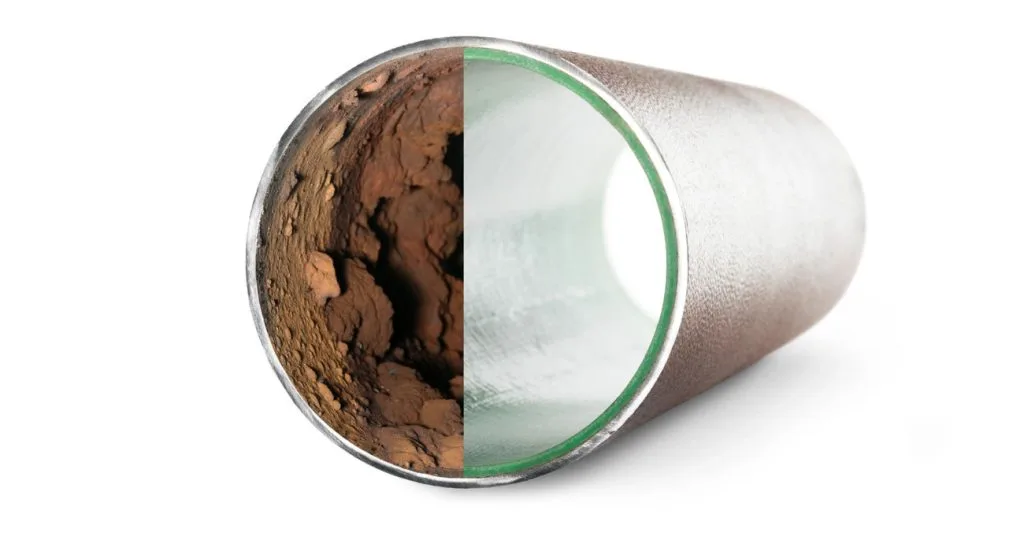
Consider trenchless pipelining (CIPP) for a permanent fix: Cured‑in‑place pipe (CIPP) lining is a trenchless method that restores existing pipes by inserting a resin‑saturated liner and curing it in place. Because the process uses minimal workers and equipment, it’s often more cost‑effective than traditional digging. The epoxy lining is smooth, durable and resistant to root intrusion, helping pipes last up to 100 years, and repairs can be completed in a matter of hours.
Call Pipeliners today to schedule an inspection and find out if CIPP is right for your home. For more details on how CIPP works and its benefits, see our comprehensive guide to CIPP lining.
Protecting Your Sewer Line in Phoenix
Sewer line problems in Phoenix are often the result of debris, grease deposits, root intrusion, damaged or outdated pipes, misaligned joints and sagging sections. These issues are exacerbated by the city’s hot climate, monsoon rains and shifting soils. Recognizing the warning signs and investing in preventive maintenance can prevent costly emergencies. Pipeliners has served Phoenix and the surrounding communities for years with trenchless repairs and full pipe replacements. If you suspect sewer trouble or want peace of mind through an inspection, contact Pipeliners for a professional evaluation. Protecting your sewer line protects your home and the environment.